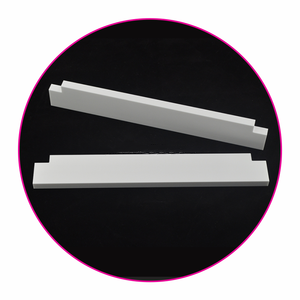
Next-Generation Ceramics: Unlocking Superior Properties for Industry

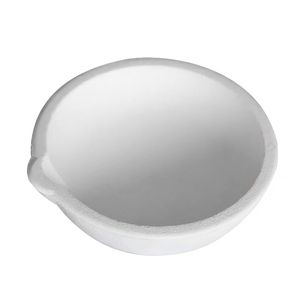
PRODUCT PARAMETERS
Description
Overview of High Energy Ceramic Ball Mill for Limestone Quartz and Cement
Quartz ceramics, also known as fused silica ceramics or re-bonded quartz products, are a high-performance advanced ceramic material. Unlike traditional clay-based ceramics, they are not made by sintering clay, but rather from high-purity fused silica (silicon dioxide, SiO₂) that is crushed, shaped, and then sintered at high temperatures.
Their core appeal lies in their unique combination of the excellent properties of fused silica glass (such as extremely low thermal expansion coefficient and excellent thermal shock stability) and the structural strength and versatility of ceramics (they can be made into crucibles, rollers, and irregularly shaped parts), overcoming the limitations of fused silica glass in terms of difficulty in manufacturing large sizes and complex shapes, and its high cost.
Quartz ceramics perform exceptionally well in harsh environments involving high temperatures, rapid temperature changes, and chemical corrosion, and are widely used in solar photovoltaics (crucibles for polycrystalline silicon ingot furnaces), semiconductors, aerospace, metallurgy and casting, the glass industry, and laboratories.
Main Characteristics of High Energy Ceramic Ball Mill for Limestone Quartz and Cement
Excellent Thermal Shock Stability: They have an extremely low thermal expansion coefficient, generating almost no thermal stress during rapid temperature changes, and can withstand rapid cooling from extremely high temperatures to room temperature without cracking.
Extremely High Temperature Resistance and Thermal Stability: They can be used continuously at temperatures of 1100°C – 1350°C, and can even withstand higher temperatures for short periods. They do not soften or deform at high temperatures and maintain good dimensional stability.
Excellent Chemical Inertness and Corrosion Resistance: Except for hydrofluoric acid and hot concentrated phosphoric acid, they have strong resistance to most acids, salt solutions, and molten metals (such as aluminum, copper, gold, silver, and platinum), making them ideal melting and containment vessels.
Low Thermal Conductivity and Good Electrical Insulation: They have low thermal conductivity, making them excellent thermal insulation materials. They also maintain good electrical insulation properties at high temperatures.
High Purity and Low Contamination Risk: Made from high-purity quartz sand, they do not contaminate the high-purity molten metals or semiconductor materials they come into contact with, ensuring process cleanliness.
Moderate Mechanical Strength: Compared to most engineering ceramics, their mechanical strength at room temperature is relatively low; they are brittle materials. However, their strength is sufficient under their designed operating conditions (high-temperature insulation, thermal shock resistance). Its strength can be improved by optimizing the formula and manufacturing process.
Specifications of High Energy Ceramic Ball Mill for Limestone Quartz and Cement
This high energy ceramic round mill grinds materials efficiently. It takes care of hard things like sedimentary rock, quartz, and cement clinker. The mill utilizes ceramic balls inside its chamber. These rounds are really tough and put on down gradually. This indicates less product gets combined right into your product. You get a cleaner last powder.
The mill body is solid steel. It holds the ceramic spheres safely. The spheres strike and crush the product inside. The chamber rotates quickly. This develops solid grinding forces. The rate can be adjusted. You manage how great the powder ends up being. Faster rate makes better powder.
Its ability is large. You can refine substantial amounts per hour. The power electric motor is solid. It drives the heavy turning efficiently. The electric motor is trustworthy for long hours. It requires secure electrical power. Inspect your power supply matches the specifications.
The lining within is ceramic also. This shields the steel body. It quits steel contamination. The lining additionally lasts a very long time. Substitute prices remain low. The seals maintain dirt inside. This is safer and cleaner. The layout stops leaks.
Procedure is straightforward. Packing product is easy. Unloading the ground powder is easy. Maintenance includes examining the seals and lining. The bearings require normal greasing. This keeps whatever running well. The mill functions continually or in sets. It fits various production requirements.
You accomplish high fineness with this mill. The bit dimension ends up being extremely small. Consistent powder is the outcome. This is vital for quality cement or quartz products. The ceramic grinding media makes certain pureness. Steel fragments do not ruin the mix. Your product quality enhances.
Durability is an essential function. The ceramic components stand up to consistent influence. They don’t break easily. The steel structure handles vibration. This mill competes years. It offers good value for the cost. Your grinding costs reduce in time.
Applications of High Energy Ceramic Ball Mill for Limestone Quartz and Cement
High power ceramic round mills are powerful grinding tools. They utilize ceramic materials inside. This prevents contamination. That matters for sensitive applications. These mills grind materials extremely finely. They function faster than standard mills. They conserve power also. That makes them affordable.
For limestone, these mills are outstanding. Limestone requires great grinding for numerous uses. Building and construction products need it. Repaint and plastic fillers require it too. High energy ceramic sphere mills squash limestone swiftly. They produce an extremely fine powder. This powder is really constant. Regular dimension enhances item high quality. It makes the final material stronger and better looking.
Quartz grinding is one more key use. Quartz is hard. Grinding it carefully takes effort. High energy ceramic round mills manage quartz well. They grind it to the needed excellence. Electronics need pure quartz powder. Ceramics and glass manufacturing need it also. Clean grinding is vital below. Ceramic cellular linings stop metal contamination. This maintains the quartz pure. Pure quartz performs better in final products.
Concrete manufacturing depends on great grinding too. Raw materials must be ground finely. Clinker needs grinding after baking. High power ceramic round mills speed this up. Faster grinding indicates more cement result. Finer concrete powder establishes much better. It makes more powerful concrete. Power savings reduced manufacturing costs. Less energy use benefits the atmosphere.

Company Profile
Synthetic-chemical focus on the research and development, production and sales of ceramic products, serving the electronics, ceramics, chemical and other industries. Since its establishment in 2015, the company has been committed to providing customers with the best products and services, and has become a leader in the industry through continuous technological innovation and strict quality management.
Our products includes but not limited to Aluminum Nitride, Aluminum Oxide, Boron Carbide, Boron Nitride, Ceramic Crucible, ect. If you are interested in any type of these, please feel free to contact us.

Payment Methods
T/T, Western Union, Paypal, Credit Card etc.
Shipment Methods
By air, by sea, by express, as customers request.
5 FAQs of High Energy Ceramic Ball Mill for Limestone Quartz and Cement
Here are five common questions people ask about our High Energy Ceramic Ball Mill, especially for grinding limestone, quartz, and cement.
What exactly is a High Energy Ceramic Ball Mill? This machine grinds hard materials into fine powders. It uses ceramic balls inside a rotating drum. The ceramic balls are tough. They don’t chip easily. This keeps the ground material pure. The mill spins fast. This creates strong forces for efficient grinding. It works well for minerals like limestone and quartz. It also grinds cement clinker effectively.
Why use ceramic balls instead of steel? Steel balls can wear down. Tiny metal flakes mix into your powder. This contaminates the product. Ceramic balls are much harder. They wear down much slower. They keep your material clean. This is crucial for pure quartz or limestone products. It also matters for high-quality cement. You avoid unwanted metals in your final powder.
How difficult is it to maintain this mill? The design is straightforward. The ceramic lining protects the drum. The balls themselves last a long time. You need to check them periodically. Replace them when they show wear. Access points make inspection easy. Lubrication points are clearly marked. Regular checks keep it running smoothly. Overall maintenance is less demanding than older steel ball mills.
Is this mill energy efficient? Yes, it uses power effectively. The high-speed rotation creates intense grinding action. This breaks down material quickly. You need less time to reach the desired fineness. Less grinding time means lower energy use. You get fine powder faster. This saves money on electricity over time. Efficiency is a key advantage.
Can one mill handle different materials like limestone, quartz, and cement? Absolutely. The robust ceramic construction handles these tough materials well. Changing from grinding limestone to quartz is simple. You just empty the drum completely. Then load the new material. Ensure you clean the mill properly between different batches. This prevents cross-contamination. The mill is versatile for various mineral processing needs.
REQUEST A QUOTE
RELATED PRODUCTS
Custom Trade Showroom Marble Granite Quartz Ceramic Tile Display Rack
Looks Like Ceramic Tile PVC Vinyl Flooring Quartz Terrace LVT
Wing Rack Tower for Quartz Stone Tile and Ceramic Stone Display
Factory Custom Alumina and Opaque Quartz Ceramic Crucible
Custom Sliding Black Ceramic Tile Display Rack Stone Quartz Stand