Next-Generation Ceramics: Unlocking Superior Properties for Industry

Silicon Nitride Ceramic
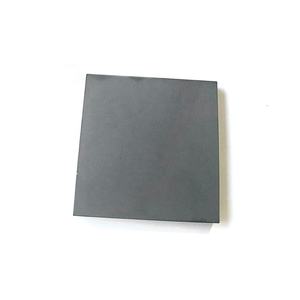
High performance silicon nitride ceramic piston rod
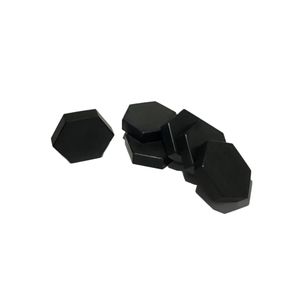
Silicon nitride ceramic tungsten carbide piston rod
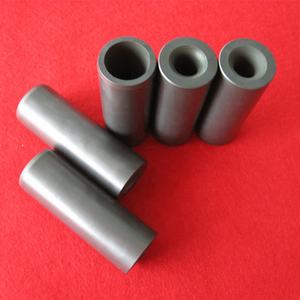
Silicon nitride ceramic strip plate for mechanical seal
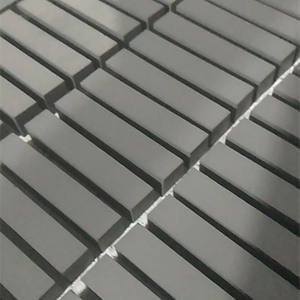
Black silicon nitride ceramic rod precision machining bar
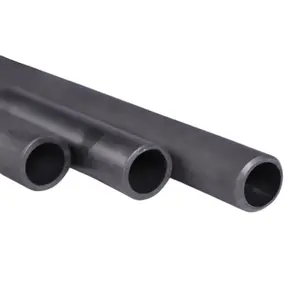
Gas pressure sintered silicon nitride ceramic rod
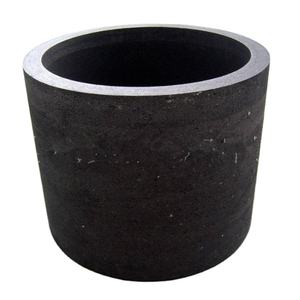
High quality electric silicon nitride ceramic heater igniter
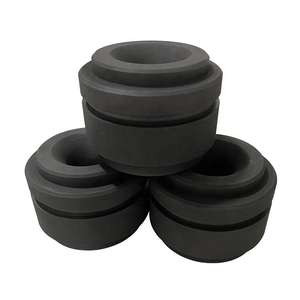
Silicon nitride ceramic location dowel part guide pin
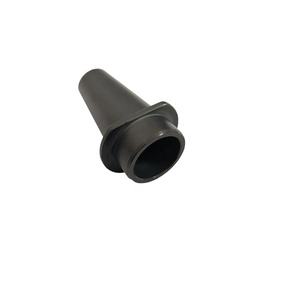
China hot surface electric silicon nitride igniter
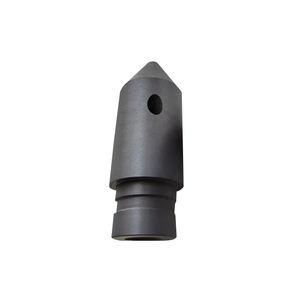
Refractory silicon carbide bonding silicon nitride tube
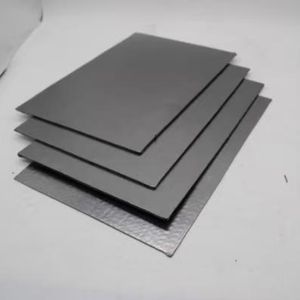
Wear resistance insulating silicon nitride ceramic plate
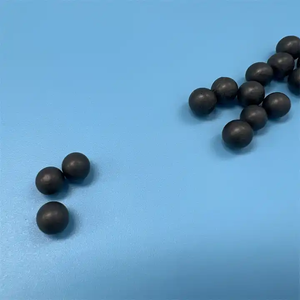
Ceramic ball bearings high quality silicon nitride bearing
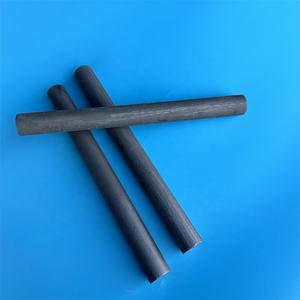
Silicon nitride ceramic ignitor rod for wood pellet
Overview of Silicon Nitride Ceramic
Silicon nitride (Si₃N₄) is an advanced engineering ceramic synthesized from silicon and nitrogen. It is not found naturally and is manufactured through processes like reaction bonding, hot pressing, or sintering. Its unique covalent atomic structure forms a strong, rigid lattice, providing a remarkable combination of mechanical and thermal properties that outperform most metals and other ceramics in demanding applications.
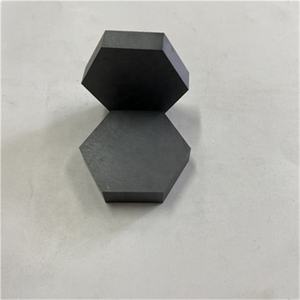
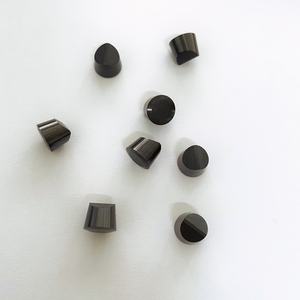
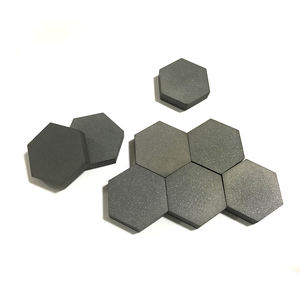

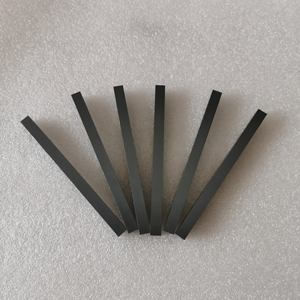
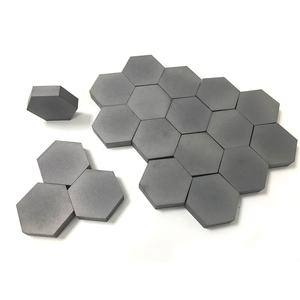
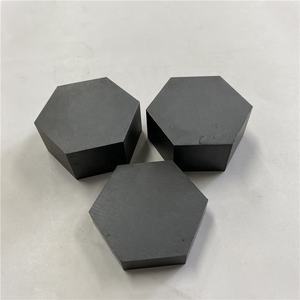
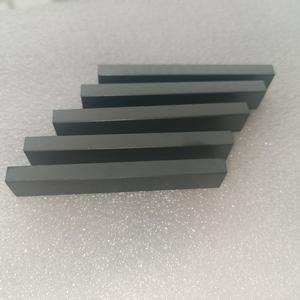
Features of Silicon Nitride Ceramic
- Exceptional Strength & Toughness: Retains high mechanical strength and fracture toughness at both room and elevated temperatures.
- Excellent Thermal Shock Resistance: Withstands extremely rapid temperature changes without cracking due to low thermal expansion and high thermal conductivity.
- High Hardness & Wear Resistance: Extremely hard, offering superior resistance to abrasion, erosion, and friction.
- Lightweight: Low density (about 60% of steel) makes it ideal for rotating and reciprocating parts.
- Corrosion & Oxidation Resistance: Inert to most acids, alkalis, and molten metals, and stable in oxidizing atmospheres up to ~1400°C.
- Good Electrical Insulation: Serves as an effective insulator in various electronic applications.
Applications of Silicon Nitride Ceramic
- Industrial: Cutting tools, metal forming rolls, welding pins, and fixtures.
- Automotive & Aerospace: Engine components, turbocharger rotors, bearings for high-speed spindles, and rocket nozzles.
- Bearings: Hybrid ball bearings (ceramic balls with steel races) for machine tools, wind turbines, and performance vehicles.
- Medical: Orthopedic implants (e.g., spinal spacers) and surgical instruments.
- Electronics: Substrates, insulating housings, and heat sinks in semiconductor processing.
- Energy: Wear parts in oil & gas, components for molten metal handling, and seals.
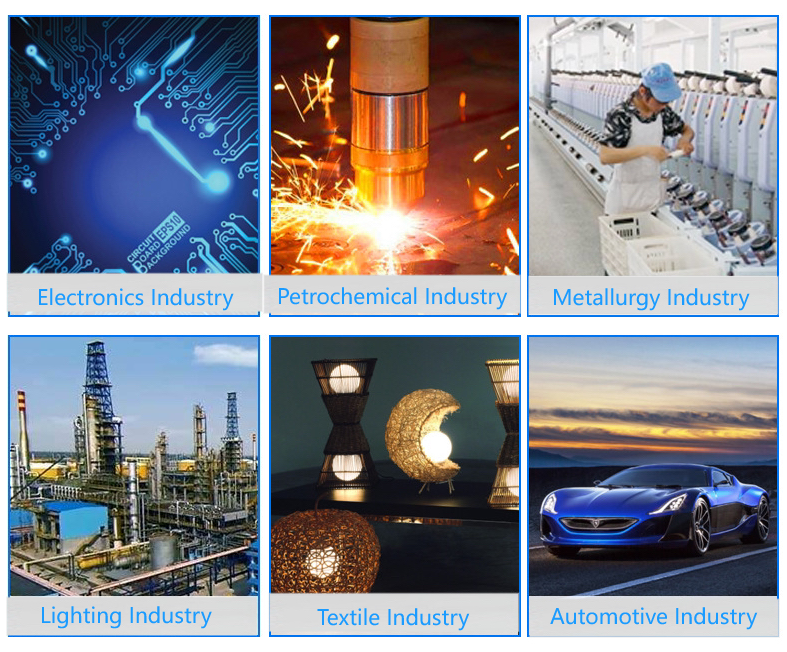
Company Profile
Synthetic-chemical focus on the research and development, production and sales of ceramic products, serving the electronics, ceramics, chemical and other industries. Since its establishment in 2015, the company has been committed to providing customers with the best products and services, and has become a leader in the industry through continuous technological innovation and strict quality management.
Our products includes but not limited to Aluminum Nitride, Aluminum Oxide, Boron Carbide, Boron Nitride, Ceramic Crucible, ect. If you are interested in any type of these, please feel free to contact us.

Payment Term
L/C, T/T, Western Union, Paypal, Credit Card etc.

Shipment Term
By sea, by air, by express, as customers request.
5 FAQs of Silicon Nitride Ceramic
1. Is silicon nitride stronger than steel?
Yes, in many aspects. It is significantly harder, maintains strength at much higher temperatures, and is more wear-resistant, though it is less ductile (more brittle) than steel.
2. Why is silicon nitride so expensive?
Costs are high due to complex, energy-intensive manufacturing processes (high temperature/pressure), expensive raw material powders, and precise machining requirements with diamond tools.
3. What are the main disadvantages of silicon nitride?
Its primary drawbacks are high brittleness (low fracture strain), difficulty and cost of machining into complex shapes after sintering, and relatively high cost compared to traditional materials.
4. Can silicon nitride be used for cookware?
Yes. It is used for high-end kitchen tools like ball mill jars (for grinding) and is sometimes found in specialized cookware components due to its non-toxicity, hardness, and thermal properties.
5. Is silicon nitride ceramic conductive?
It is an excellent electrical insulator. However, certain grades can be made electrically conductive through the addition of specific sintering aids or composite materials.