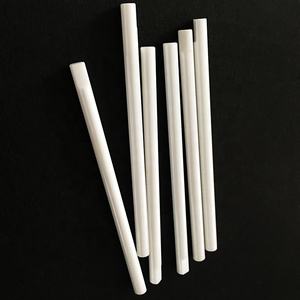
Next-Generation Ceramics: Unlocking Superior Properties for Industry

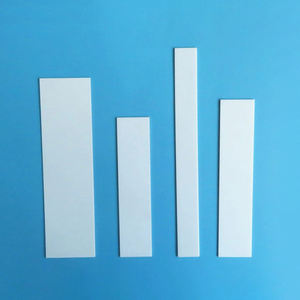
PRODUCT PARAMETERS
Description
Overview of Industrial Ceramic and Quartz Electric Infrared Heater Burner
Quartz ceramics, also known as fused silica ceramics or re-bonded quartz products, are a high-performance advanced ceramic material. Unlike traditional clay-based ceramics, they are not made by sintering clay, but rather from high-purity fused silica (silicon dioxide, SiO₂) that is crushed, shaped, and then sintered at high temperatures.
Their core appeal lies in their unique combination of the excellent properties of fused silica glass (such as extremely low thermal expansion coefficient and excellent thermal shock stability) and the structural strength and versatility of ceramics (they can be made into crucibles, rollers, and irregularly shaped parts), overcoming the limitations of fused silica glass in terms of difficulty in manufacturing large sizes and complex shapes, and its high cost.
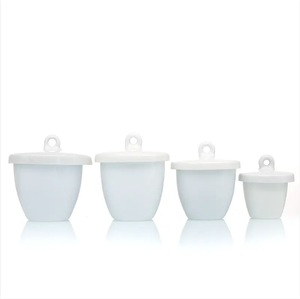
Quartz ceramics perform exceptionally well in harsh environments involving high temperatures, rapid temperature changes, and chemical corrosion, and are widely used in solar photovoltaics (crucibles for polycrystalline silicon ingot furnaces), semiconductors, aerospace, metallurgy and casting, the glass industry, and laboratories.
Main Characteristics of Industrial Ceramic and Quartz Electric Infrared Heater Burner
Excellent Thermal Shock Stability: They have an extremely low thermal expansion coefficient, generating almost no thermal stress during rapid temperature changes, and can withstand rapid cooling from extremely high temperatures to room temperature without cracking.
Extremely High Temperature Resistance and Thermal Stability: They can be used continuously at temperatures of 1100°C – 1350°C, and can even withstand higher temperatures for short periods. They do not soften or deform at high temperatures and maintain good dimensional stability.
Excellent Chemical Inertness and Corrosion Resistance: Except for hydrofluoric acid and hot concentrated phosphoric acid, they have strong resistance to most acids, salt solutions, and molten metals (such as aluminum, copper, gold, silver, and platinum), making them ideal melting and containment vessels.
Low Thermal Conductivity and Good Electrical Insulation: They have low thermal conductivity, making them excellent thermal insulation materials. They also maintain good electrical insulation properties at high temperatures.
High Purity and Low Contamination Risk: Made from high-purity quartz sand, they do not contaminate the high-purity molten metals or semiconductor materials they come into contact with, ensuring process cleanliness.
Moderate Mechanical Strength: Compared to most engineering ceramics, their mechanical strength at room temperature is relatively low; they are brittle materials. However, their strength is sufficient under their designed operating conditions (high-temperature insulation, thermal shock resistance). Its strength can be improved by optimizing the formula and manufacturing process.
Specifications of Industrial Ceramic and Quartz Electric Infrared Heater Burner
Industrial ceramic and quartz electric infrared heater burners deliver effective, concentrated warm for industrial processes. These heaters are built tough. They take care of demanding factory conditions well. The burner surface area is essential. Ceramic burners use robust refractory materials. Quartz heaters make use of clear fused quartz tubes. Both types produce infrared energy effectively. The burner is inside. It warms the heater surface area quick. This surface area after that emits infrared power outside. Power rankings are essential. Typical wattages range from 1 kW to 10 kW per heater. Greater wattages provide much more intense heat. Burners can be connected for larger heating zones. Running temperature levels get very warm. Surface area temperatures typically get to 600 ° C to 900 ° C. Quartz tubes could run slightly cooler. Ceramic plates can withstand higher temperatures. Placing is adaptable. Heaters fit into basic housings or frames. They are created for easy setup. Exhaust wavelengths differ. Ceramic emits tool to lengthy wavelength infrared. Quartz discharges brief to medium wavelength infrared. This influences how products absorb the warm. Heaters need correct electric controls. These take care of power degrees and home heating cycles. Safety functions are integrated. Applications prevail. They consist of drying layers, healing composites, pre-heating metals, and plastic creating. Longevity is essential. Ceramic stands up to thermal shock well. Quartz tubes withstand chemical deterioration. Both supply lengthy life span with marginal maintenance. Excellent installment guarantees peak efficiency.
Applications of Industrial Ceramic and Quartz Electric Infrared Heater Burner
Industrial ceramic and quartz electrical infrared heating system burners are crucial tools in lots of sectors. They create warm using electricity. They give off infrared radiation straight. This radiation heats up objects and products swiftly. It warms them without requiring to heat up the surrounding air initially. This direct home heating method conserves power. It makes procedures much faster.
These heating units work well for drying out tasks. They completely dry paints, inks, and coatings on products. They completely dry fabrics and paper efficiently. They are likewise wonderful for curing. They heal powder coverings on steel components. They cure adhesives and sealants efficiently. This makes sure strong bonds and great coatings.
Producers make use of these heating systems for pre-heating. They pre-heat plastic sheets prior to molding. They pre-heat steels before developing or welding. They give consistent warmth for these actions. Food producers utilize them as well. They salute bread and treats. They completely dry vegetables and fruits. They melt cheese on ready foods. This keeps production lines scooting.
Industrial ceramic heaters are extremely tough. They take care of very high temperatures well. They are ideal for demanding industrial setups. Quartz heaters warm up nearly instantaneously. They cool quick as well. They are highly effective for tasks requiring fast warm modifications.
These heaters supply accurate temperature level control. Operators can adjust the warm outcome conveniently. This brings about regular product high quality. They are likewise clean heating units. They don’t melt fuel. They don’t create smoke or fumes. This makes them good for interior usage. They aid factories satisfy environmental regulations. They decrease operating expenses gradually.

Company Profile
Synthetic-chemical focus on the research and development, production and sales of ceramic products, serving the electronics, ceramics, chemical and other industries. Since its establishment in 2015, the company has been committed to providing customers with the best products and services, and has become a leader in the industry through continuous technological innovation and strict quality management.
Our products includes but not limited to Aluminum Nitride, Aluminum Oxide, Boron Carbide, Boron Nitride, Ceramic Crucible, ect. If you are interested in any type of these, please feel free to contact us.

Payment Methods
T/T, Western Union, Paypal, Credit Card etc.
Shipment Methods
By air, by sea, by express, as customers request.
5 FAQs of Industrial Ceramic and Quartz Electric Infrared Heater Burner
What exactly is an industrial ceramic and quartz electric infrared heater burner?
These heaters use electricity to heat special elements. The elements are made from ceramic or quartz materials. They get very hot. They then emit infrared radiation. This heats objects directly without warming the air much. It’s efficient for industrial processes needing targeted heat.
How does this type of infrared heater actually work?
Electricity flows through a resistant wire inside the ceramic or quartz element. This makes the wire hot. The heat transfers to the ceramic or quartz material. The heated element then radiates infrared energy outward. Objects absorb this energy. Their molecules vibrate faster. This creates heat within the object itself.
What’s the difference between ceramic and quartz elements?
Ceramic elements usually take longer to heat up. They also take longer to cool down. They offer strong, consistent heat. Quartz elements heat up almost instantly. They cool down fast too. Quartz provides very intense, focused heat. Ceramic is often tougher against impacts. Quartz can be more fragile. Both are good choices, depending on the job.
Where are these infrared heater burners typically used?
They are common in many industries. You see them drying paint or powder coatings on products. They cure adhesives and sealants. They preheat metals before welding. They dry textiles, films, or printed materials. They are used in food processing for baking or drying. Anywhere direct, controlled heat is needed fast, these heaters are useful.
What maintenance do these heaters require?
Keeping them clean is important. Dust or debris on the elements blocks the infrared rays. This makes the heater work less well. Check the elements for damage or cracks. Replace damaged elements. Ensure electrical connections stay tight and secure. Make sure nothing blocks the airflow around the heater. Good airflow prevents overheating.
REQUEST A QUOTE
RELATED PRODUCTS
New Quartz Flour for Glass Ceramic Paint Casting Filler
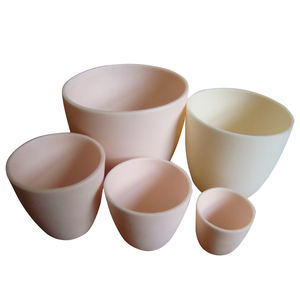
Graphite Crucible Quartz Ceramic Set for Induction Furnace
Ceramic Glass Wood Granite Marble Quartz Stone Tiles Cutting Machine
Whole Ceramic Tile and Quartz Stone Display Racks Metal Shelves
Portable Manual Cutting Machine for Granite Marble Quartz Ceramic Tile