Next-Generation Ceramics: Unlocking Superior Properties for Industry

PRODUCT PARAMETERS
Description
Overview of PZT Ceramic Element Piezo Crystal Quartz
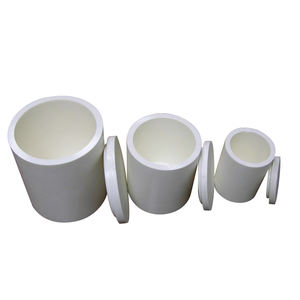
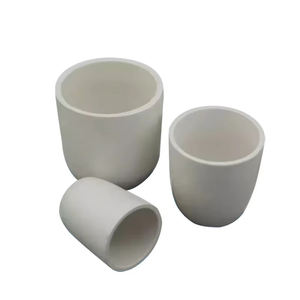
Quartz ceramics, also known as fused silica ceramics or re-bonded quartz products, are a high-performance advanced ceramic material. Unlike traditional clay-based ceramics, they are not made by sintering clay, but rather from high-purity fused silica (silicon dioxide, SiO₂) that is crushed, shaped, and then sintered at high temperatures.
Their core appeal lies in their unique combination of the excellent properties of fused silica glass (such as extremely low thermal expansion coefficient and excellent thermal shock stability) and the structural strength and versatility of ceramics (they can be made into crucibles, rollers, and irregularly shaped parts), overcoming the limitations of fused silica glass in terms of difficulty in manufacturing large sizes and complex shapes, and its high cost.
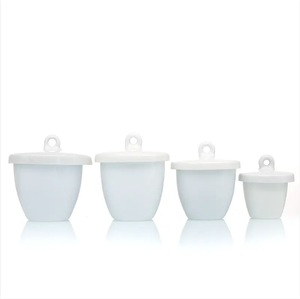
Quartz ceramics perform exceptionally well in harsh environments involving high temperatures, rapid temperature changes, and chemical corrosion, and are widely used in solar photovoltaics (crucibles for polycrystalline silicon ingot furnaces), semiconductors, aerospace, metallurgy and casting, the glass industry, and laboratories.
Main Characteristics of PZT Ceramic Element Piezo Crystal Quartz
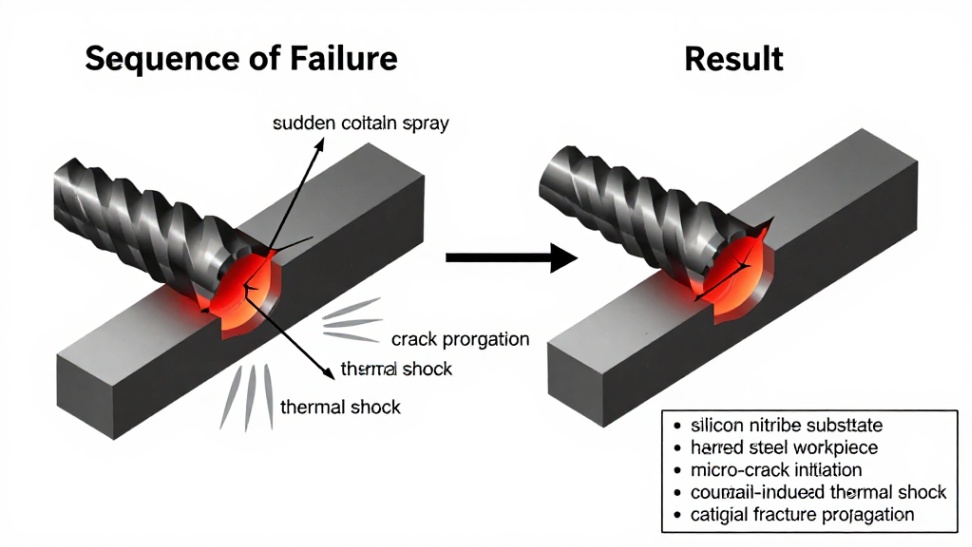
Excellent Thermal Shock Stability: They have an extremely low thermal expansion coefficient, generating almost no thermal stress during rapid temperature changes, and can withstand rapid cooling from extremely high temperatures to room temperature without cracking.
Extremely High Temperature Resistance and Thermal Stability: They can be used continuously at temperatures of 1100°C – 1350°C, and can even withstand higher temperatures for short periods. They do not soften or deform at high temperatures and maintain good dimensional stability.
Excellent Chemical Inertness and Corrosion Resistance: Except for hydrofluoric acid and hot concentrated phosphoric acid, they have strong resistance to most acids, salt solutions, and molten metals (such as aluminum, copper, gold, silver, and platinum), making them ideal melting and containment vessels.
Low Thermal Conductivity and Good Electrical Insulation: They have low thermal conductivity, making them excellent thermal insulation materials. They also maintain good electrical insulation properties at high temperatures.
High Purity and Low Contamination Risk: Made from high-purity quartz sand, they do not contaminate the high-purity molten metals or semiconductor materials they come into contact with, ensuring process cleanliness.
Moderate Mechanical Strength: Compared to most engineering ceramics, their mechanical strength at room temperature is relatively low; they are brittle materials. However, their strength is sufficient under their designed operating conditions (high-temperature insulation, thermal shock resistance). Its strength can be improved by optimizing the formula and manufacturing process.
Specifications of PZT Ceramic Element Piezo Crystal Quartz
Requirements of PZT Ceramic Aspect Piezo Crystal Quartz
Material Composition
The core product is lead zirconate titanate (PZT), a manufactured ceramic understood for strong piezoelectric efficiency. This substance supplies dependable outcome under mechanical stress and anxiety or electrical input. It contains no natural quartz but mimics quartz habits with much better effectiveness in most industrial usages.
Physical Features
These elements are thick, difficult, and fragile. Common thickness arrays from 7.6 to 7.8 g/cm FIVE. They are available in basic shapes like discs, plates, rings, or personalized geometries based upon application requirements. Surface coating is smooth, frequently with silver electrodes fired onto both sides for electrical call.
Electrical Characteristics
Dielectric constant: 1,200 to 1,800 at 1 kHz
Electromechanical coupling coefficient (kp): 0.60 to 0.65
Piezoelectric fee constant (d33): 300 to 600 pC/N
Operating voltage relies on size and design yet normally remains below 200 V. Insulation resistance surpasses 1012 Ω at area temperature.
Performance Array
The element functions well between -20 ° C and +150 ° C. Outside this variety, efficiency declines or irreversible damage might happen. Resonant frequency varies by measurements– thinner pieces vibrate at higher frequencies. Regular operating frequencies extend from 1 kHz to over 1 MHz.
Mechanical Stamina
Compressive strength is high, usually over 200 MPa. However, tensile toughness is reduced. Users need to avoid bending, impact, or abrupt shocks during managing or installation. Mounting should disperse pressure uniformly to prevent breaking.
Common Applications
These components power ultrasonic cleansers, medical imaging probes, buzzers, sensors, actuators, and gas injectors. Their quick response and exact activity control make them ideal for gadgets needing repeatable micro-movements or resonance generation.
Applications of PZT Ceramic Element Piezo Crystal Quartz
Applications of PZT Ceramic Component Piezo Crystal Quartz
Sensors and Detectors
PZT ceramic aspects are commonly used in sensing units. They turn mechanical stress right into electrical signals. This makes them excellent for pressure sensors, accelerometers, and knock sensing units in engines. In clinical devices, they assist spot small modifications in stress or movement.
Ultrasonic Tools
These piezo crystals work well in ultrasonic applications. They produce and get high-frequency acoustic waves. You will certainly locate them in medical ultrasound machines, commercial cleaners, and finder systems. Their fast action and reliability make them a top choice for imaging and cleansing tasks.
Actuators and Positioning Solutions
PZT ceramics likewise work as accurate motion controllers. When voltage is used, they transform shape somewhat but really properly. This function is used in microscopes, optical equipment, and semiconductor production tools. They permit fine adjustments that other products can not match.
Power Harvesting
In many cases, PZT aspects record lost mechanical energy and transform it into electrical power. This works in remote sensors or wearable electronic devices where batteries are tough to replace. Footsteps, vibrations, or even air movement can power little tools through these products.
Audio Elements
You’ll additionally locate PZT ceramics in buzzers, audio speakers, and microphones. They produce clear noise with reduced power usage. Because they are little and reliable, they fit conveniently right into phones, alarms, and hearing aids.
Ignition Systems
Another usual use is in gas lighters and stoves. A quick press produces a stimulate many thanks to the piezoelectric impact in PZT. This technique is secure, reputable, and needs no exterior source of power.
Each application capitalizes on the material’s ability to convert in between electrical and power rapidly and successfully. Its efficiency remains secure across several problems, which is why engineers maintain picking it for requiring tasks.

Company Profile
Synthetic-chemical focus on the research and development, production and sales of ceramic products, serving the electronics, ceramics, chemical and other industries. Since its establishment in 2015, the company has been committed to providing customers with the best products and services, and has become a leader in the industry through continuous technological innovation and strict quality management.
Our products includes but not limited to Aluminum Nitride, Aluminum Oxide, Boron Carbide, Boron Nitride, Ceramic Crucible, ect. If you are interested in any type of these, please feel free to contact us.

Payment Methods
T/T, Western Union, Paypal, Credit Card etc.
Shipment Methods
By air, by sea, by express, as customers request.
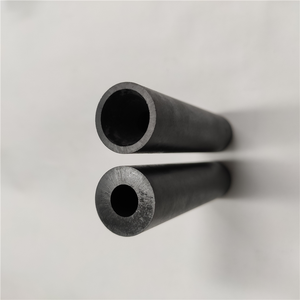
5 FAQs of PZT Ceramic Element Piezo Crystal Quartz
Frequently Asked Questions About PZT Ceramic Piezo Elements
What is a PZT ceramic piezo element?
A PZT ceramic piezo element is made from lead zirconate titanate. It changes shape when you apply electricity. It also creates electricity when you press or bend it. This two-way action makes it useful in many devices.
Where are PZT elements used?
These elements work in sensors, actuators, speakers, and ultrasonic cleaners. You can find them in medical imaging tools, fuel injectors, and even some lighters. Their fast response and reliability make them ideal for precise tasks.
How long do PZT ceramic elements last?
PZT elements last a long time if used within their limits. They have no moving parts, so wear is low. Still, strong impacts, high heat, or too much voltage can damage them. Proper handling keeps them working well for years.
Are PZT ceramics the same as quartz crystals?
No. Both are piezoelectric, but they are different materials. Quartz is a natural crystal. PZT is a man-made ceramic. PZT gives a stronger signal and works better in most modern applications. Quartz is more stable over temperature but less powerful.
Do PZT elements need special care?
Yes. Avoid dropping them or exposing them to sudden shocks. Keep them away from high temperatures and moisture unless designed for it. Always follow voltage and frequency limits in the datasheet. Simple care prevents early failure and keeps performance steady.
REQUEST A QUOTE
RELATED PRODUCTS
Showroom Rotatable Artificial Quartz Slab Ceramic Stone Display Rack
Axis CNC Water Jet Machine for Cutting Quartz and Ceramics
Diamond Saw Blade for Marble Granite Quartz Limestone Ceramic
Silica Sand Quartz Stone for the Ceramic Industry
OEM Ceramic Coating for Cars Based on Quartz Nanotechnology