Next-Generation Ceramics: Unlocking Superior Properties for Industry

PRODUCT PARAMETERS
Description
Overview of Ceramic Industry Foundry Silica Quartz Sand Per Ton
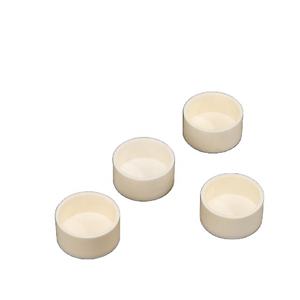
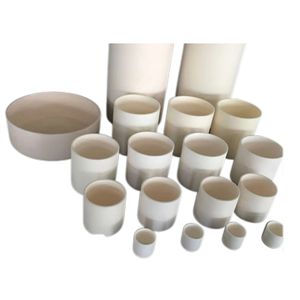
Quartz ceramics, also known as fused silica ceramics or re-bonded quartz products, are a high-performance advanced ceramic material. Unlike traditional clay-based ceramics, they are not made by sintering clay, but rather from high-purity fused silica (silicon dioxide, SiO₂) that is crushed, shaped, and then sintered at high temperatures.
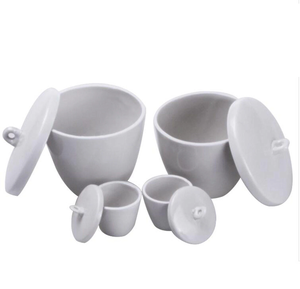
Their core appeal lies in their unique combination of the excellent properties of fused silica glass (such as extremely low thermal expansion coefficient and excellent thermal shock stability) and the structural strength and versatility of ceramics (they can be made into crucibles, rollers, and irregularly shaped parts), overcoming the limitations of fused silica glass in terms of difficulty in manufacturing large sizes and complex shapes, and its high cost.
Quartz ceramics perform exceptionally well in harsh environments involving high temperatures, rapid temperature changes, and chemical corrosion, and are widely used in solar photovoltaics (crucibles for polycrystalline silicon ingot furnaces), semiconductors, aerospace, metallurgy and casting, the glass industry, and laboratories.
Main Characteristics of Ceramic Industry Foundry Silica Quartz Sand Per Ton
Excellent Thermal Shock Stability: They have an extremely low thermal expansion coefficient, generating almost no thermal stress during rapid temperature changes, and can withstand rapid cooling from extremely high temperatures to room temperature without cracking.
Extremely High Temperature Resistance and Thermal Stability: They can be used continuously at temperatures of 1100°C – 1350°C, and can even withstand higher temperatures for short periods. They do not soften or deform at high temperatures and maintain good dimensional stability.
Excellent Chemical Inertness and Corrosion Resistance: Except for hydrofluoric acid and hot concentrated phosphoric acid, they have strong resistance to most acids, salt solutions, and molten metals (such as aluminum, copper, gold, silver, and platinum), making them ideal melting and containment vessels.
Low Thermal Conductivity and Good Electrical Insulation: They have low thermal conductivity, making them excellent thermal insulation materials. They also maintain good electrical insulation properties at high temperatures.
High Purity and Low Contamination Risk: Made from high-purity quartz sand, they do not contaminate the high-purity molten metals or semiconductor materials they come into contact with, ensuring process cleanliness.
Moderate Mechanical Strength: Compared to most engineering ceramics, their mechanical strength at room temperature is relatively low; they are brittle materials. However, their strength is sufficient under their designed operating conditions (high-temperature insulation, thermal shock resistance). Its strength can be improved by optimizing the formula and manufacturing process.
Specifications of Ceramic Industry Foundry Silica Quartz Sand Per Ton
Specs of Ceramic Sector Factory Silica Quartz Sand– Per Bunch
Chemical Composition
Silicon Dioxide (SiO ₂): Minimum 99.0%.
Iron Oxide (Fe Two O FIVE): Maximum 0.05%.
Light Weight Aluminum Oxide (Al Two O ₃): Maximum 0.20%.
Titanium Dioxide (TiO TWO): Optimum 0.02%.
Wetness Material: Maximum 0.10%.
Physical Properties
Grain Dimension Circulation: Readily available in numerous mesh dimensions, consisting of 20/40, 40/70, 50/100, and 70/140, to fulfill particular casting demands.
Grain Forming: Rounded to sub-angular grains make sure good flowability and packaging density.
Noticeable Thickness: Around 2.65 g/cm TWO.
Refractoriness: Over 1700 ° C, ideal for high-temperature ceramic applications.
Pureness and Consistency
This silica quartz sand is carefully refined to eliminate impurities such as clay, dust, and organic matter. Each set goes through strict quality control to maintain consistent chemical and physical buildings. The reduced iron web content aids stop staining in white or light-colored ceramic products.
Packaging and Handling
The sand is packed in moisture-resistant woven polypropylene bags, each weighing 1 metric ton (1000 kg). Bulk shipment options are also offered upon request. Store in a dry, covered area to prevent wetness absorption.
Applications in the Ceramic Industry
Foundry-grade silica quartz sand is widely used in ceramic mold and mildew making, financial investment spreading, and core production. Its high thermal stability and chemical inertness make it ideal for precision spreading of sanitaryware, tableware, and technical ceramics. The sand sustains fine surface area finishes and dimensional accuracy in final products.
Keep in mind: Requirements may differ a little based upon consumer demands and resources resources. All values are regular and conditional without notice.
Applications of Ceramic Industry Foundry Silica Quartz Sand Per Ton
Applications of Ceramic Sector Factory Silica Quartz Sand (Per Lot)
Core Use in Ceramics and Foundry Work
Ceramic market foundry silica quartz sand is an essential resources utilized in making porcelains and metal castings. This sand is valued for its high pureness, solid thermal stability, and constant grain dimension. Each bunch supplies dependable performance popular industrial procedures.
In ceramic production, the sand assists manage shrinking and bending throughout shooting. It includes toughness to clay bodies and improves the final product’s toughness. Potters and manufacturers use it to develop floor tiles, hygienic ware, tableware, and technical ceramics. The sand’s reduced iron content guarantees intense, clean finishes without unwanted discoloration.
Essential in Steel Spreading
Factories rely upon this quartz sand for mold and core making. When liquified steel is poured, the sand needs to hold its form under severe heat. Silica quartz sand meets this requirement thanks to its high melting point and resistance to thermal shock. One ton sustains the production of accurate, smooth-surfaced steel parts made use of in vehicle, machinery, and construction industries.
The sand’s uniform bit dimension enables better compaction and gas permeability. This reduces casting defects like blowholes or surface area roughness. Reusability also makes it cost-efficient– after cooling down, much of the sand can be redeemed and reused with marginal loss in top quality.
Other Industrial Responsibility
Past ceramics and shops, this product serves in glassmaking, refractory cellular linings, and purification systems. Its chemical inertness and hardness make it appropriate for unpleasant applications and specialized layers. Every bunch offers adaptability throughout multiple high-temperature manufacturing fields.
Manufacturers pick silica quartz sand per ton because it delivers consistent results, minimizes waste, and sustains effective manufacturing cycles. Its natural residential properties line up well with both conventional workmanship and contemporary commercial requirements.

Company Profile
Synthetic-chemical focus on the research and development, production and sales of ceramic products, serving the electronics, ceramics, chemical and other industries. Since its establishment in 2015, the company has been committed to providing customers with the best products and services, and has become a leader in the industry through continuous technological innovation and strict quality management.
Our products includes but not limited to Aluminum Nitride, Aluminum Oxide, Boron Carbide, Boron Nitride, Ceramic Crucible, ect. If you are interested in any type of these, please feel free to contact us.

Payment Methods
T/T, Western Union, Paypal, Credit Card etc.
Shipment Methods
By air, by sea, by express, as customers request.
5 FAQs of Ceramic Industry Foundry Silica Quartz Sand Per Ton
Frequently Asked Questions About Ceramic Industry Foundry Silica Quartz Sand (Per Ton)
What is silica quartz sand used for in the ceramic industry?
Silica quartz sand is a key raw material in ceramics. It helps control shrinkage during drying and firing. The sand also adds strength to the final product. Many ceramic makers use it in tiles, sanitary ware, and tableware.
Why choose high-purity silica quartz sand?
High-purity sand means fewer impurities like iron or alumina. These impurities can cause discoloration or defects in ceramic products. Pure silica quartz sand gives better color consistency and improves thermal stability during firing.
How does grain size affect performance?
Grain size matters a lot. Fine grains help create smooth surfaces. Coarse grains add structural support and reduce cracking. Most ceramic applications need a balanced mix. Always match the grain size to your specific production process.
Is this sand safe to handle?
Yes, but standard safety steps are needed. Silica dust can be harmful if inhaled over long periods. Use proper ventilation and wear masks when handling dry sand. Store it in dry areas to avoid clumping and dust release.
What’s the typical price per ton?
Price depends on purity, grain size, and order volume. Standard-grade silica quartz sand usually costs between $30 and $80 per ton. Higher purity or custom specifications may cost more. Always ask for a current quote based on your needs.
REQUEST A QUOTE
RELATED PRODUCTS
Inch Diamond Saw Blade for Porcelain Ceramic Granite Quartz Marble
Vacuum Brazed Diamond Grinding Wheel for Marble Ceramic Quartz
Portable Granite Marble Quartz Stone Ceramic Tile Cutting Machine
Vacuum Brazed Diamond Grinding Wheel for Marble Ceramic Quartz Stone
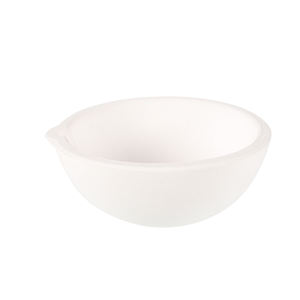
Gold Melting Fused Silica Quartz Ceramic Crucible