Next-Generation Ceramics: Unlocking Superior Properties for Industry

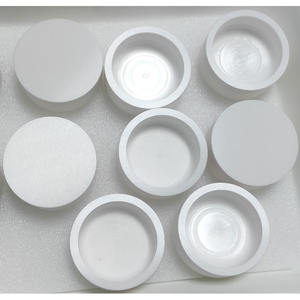
PRODUCT PARAMETERS
Description
Overview of Factory Quartz Limestone Coal Ceramic Cement Grinding Mill
Quartz ceramics, also known as fused silica ceramics or re-bonded quartz products, are a high-performance advanced ceramic material. Unlike traditional clay-based ceramics, they are not made by sintering clay, but rather from high-purity fused silica (silicon dioxide, SiO₂) that is crushed, shaped, and then sintered at high temperatures.
Their core appeal lies in their unique combination of the excellent properties of fused silica glass (such as extremely low thermal expansion coefficient and excellent thermal shock stability) and the structural strength and versatility of ceramics (they can be made into crucibles, rollers, and irregularly shaped parts), overcoming the limitations of fused silica glass in terms of difficulty in manufacturing large sizes and complex shapes, and its high cost.
Quartz ceramics perform exceptionally well in harsh environments involving high temperatures, rapid temperature changes, and chemical corrosion, and are widely used in solar photovoltaics (crucibles for polycrystalline silicon ingot furnaces), semiconductors, aerospace, metallurgy and casting, the glass industry, and laboratories.
Main Characteristics of Factory Quartz Limestone Coal Ceramic Cement Grinding Mill
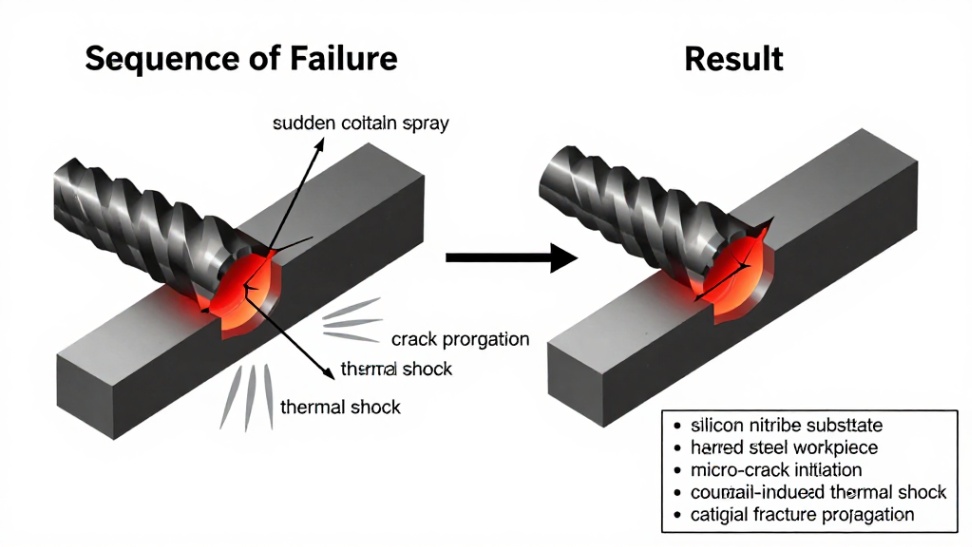
Excellent Thermal Shock Stability: They have an extremely low thermal expansion coefficient, generating almost no thermal stress during rapid temperature changes, and can withstand rapid cooling from extremely high temperatures to room temperature without cracking.
Extremely High Temperature Resistance and Thermal Stability: They can be used continuously at temperatures of 1100°C – 1350°C, and can even withstand higher temperatures for short periods. They do not soften or deform at high temperatures and maintain good dimensional stability.
Excellent Chemical Inertness and Corrosion Resistance: Except for hydrofluoric acid and hot concentrated phosphoric acid, they have strong resistance to most acids, salt solutions, and molten metals (such as aluminum, copper, gold, silver, and platinum), making them ideal melting and containment vessels.
Low Thermal Conductivity and Good Electrical Insulation: They have low thermal conductivity, making them excellent thermal insulation materials. They also maintain good electrical insulation properties at high temperatures.
High Purity and Low Contamination Risk: Made from high-purity quartz sand, they do not contaminate the high-purity molten metals or semiconductor materials they come into contact with, ensuring process cleanliness.
Moderate Mechanical Strength: Compared to most engineering ceramics, their mechanical strength at room temperature is relatively low; they are brittle materials. However, their strength is sufficient under their designed operating conditions (high-temperature insulation, thermal shock resistance). Its strength can be improved by optimizing the formula and manufacturing process.
Specifications of Factory Quartz Limestone Coal Ceramic Cement Grinding Mill
Manufacturing Facility Quartz Sedimentary Rock Coal Porcelain Concrete Grinding Mill– Trick Specs
Design and Develop
This grinding mill is developed for heavy-duty usage in commercial settings. The text uses high-strength steel to deal with consistent wear and stress. Bearings and equipments are made from set alloy to ensure long life span. The device runs efficiently with low vibration, also during expanded operation.
Grinding Capability
It refines a wide variety of materials, consisting of quartz, sedimentary rock, coal, ceramic basic materials, and concrete clinker. Outcome ability varies from 1 to 30 lots per hour, relying on the version and feed size. Feed material ought to be under 25 mm in size for best outcomes. End product fineness can get to 80– 400 mesh, flexible based on consumer demands.
Power and Performance
Electric motor power starts at 18.5 kW and goes up to 250 kW, matched to each design’s size and outcome. Energy use is optimized via an effective transmission system and wise load control. This reduces electrical energy costs while maintaining constant grinding efficiency.
Control System
The mill includes a standard electric control panel for start, stop, and speed change. Optional upgrades consist of PLC-based automation for remote tracking and parameter setup. All controls are straightforward and require very little training to operate.
Maintenance and Safety and security
Accessibility doors enable fast inspection and component substitute. Lubrication points are plainly noted for regular maintenance. Safety guards cover moving components to protect operators. Dust discharge is maintained reduced with optional sealing or dust collector links.
Installation and Assistance
The device arrives pre-assembled where possible to cut down setup time. Technical support is available for configuration, procedure guidance, and troubleshooting. Extra components are conventional and very easy to resource worldwide.
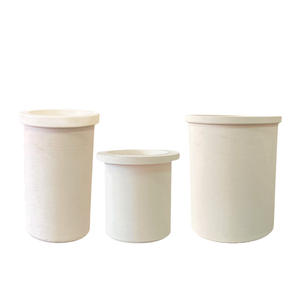
Applications of Factory Quartz Limestone Coal Ceramic Cement Grinding Mill
Applications of Manufacturing Facility Quartz, Sedimentary Rock, Coal, Ceramic, and Cement Grinding Mill
What It Does
This grinding mill is constructed to crush and grind tough products into great powder. Factories utilize it every day to procedure raw materials rapidly and uniformly. The maker deals with laborious without slowing down.
Where It’s Made use of
Quartz: Glass makers and electronic devices manufacturers require pure quartz powder. The mill grinds quartz rock right into the right size for making glass, silicon chips, and fiber optics.
Sedimentary rock: Building and construction and farming count on ground limestone. The mill transforms huge limestone pieces into powder made use of in concrete, dirt therapy, and pet feed.
Coal: Nuclear power plant burn finely ground coal to make electricity. This mill reduces coal to a constant powder so it melts cleanly and efficiently.
Ceramic: Floor tile and pottery factories mix fine ceramic powders to form their items. The mill guarantees each batch has the very same structure and high quality.
Cement: Cement manufacturing requires accurate grinding of clinker and additives. The mill aids produce smooth, strong concrete that satisfies market criteria.
Why Factories Choose This Mill
It runs continuously under hefty lots. Its layout cuts energy use while maintaining output high. Operators find it easy to manage and maintain. Components last lengthy even when grinding abrasive products like quartz or coal. The mill fits into existing production lines with little adjustment. It offers reliable results every day. Manufacturing facilities get even more ended up product with much less waste. Security functions safeguard employees during regular operation and upkeep.

Company Profile
Synthetic-chemical focus on the research and development, production and sales of ceramic products, serving the electronics, ceramics, chemical and other industries. Since its establishment in 2015, the company has been committed to providing customers with the best products and services, and has become a leader in the industry through continuous technological innovation and strict quality management.
Our products includes but not limited to Aluminum Nitride, Aluminum Oxide, Boron Carbide, Boron Nitride, Ceramic Crucible, ect. If you are interested in any type of these, please feel free to contact us.

Payment Methods
T/T, Western Union, Paypal, Credit Card etc.
Shipment Methods
By air, by sea, by express, as customers request.
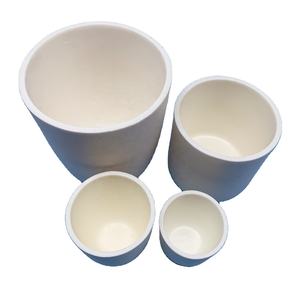
5 FAQs of Factory Quartz Limestone Coal Ceramic Cement Grinding Mill
Frequently Asked Questions About Our Grinding Mill
What materials can this grinding mill process?
Our grinding mill works well with many hard materials. You can use it for quartz, limestone, coal, ceramic, and cement. It handles both soft and hard raw materials without trouble.
How does the mill improve production efficiency?
The machine grinds materials quickly and evenly. It uses less power than older models. This saves energy and cuts operating costs. The design also reduces wear on parts, so you spend less on maintenance.
Is the equipment easy to operate and maintain?
Yes. The control system is simple. Workers learn how to run it fast. Routine checks take little time. Spare parts are easy to replace. We also give clear instructions and support when needed.
What size output can I expect?
You can adjust the fineness of the final powder. The mill produces particles from 80 to 2500 mesh. This range fits most industrial needs. Just set your target size, and the machine delivers consistent results.
Does the mill meet environmental standards?
It does. The system includes dust collection to keep air clean. Noise levels stay low during operation. All parts follow current safety and environmental rules. You can run it without worrying about pollution or compliance issues.
REQUEST A QUOTE
RELATED PRODUCTS
High Quality White Crystal Quartz Silica Sand for Ceramics
Foshan Ceramic Tile and Quartz Stone Display Cabinet
350 Fused Silica Quartz Ceramic Crucible Boat for Melting

New Design Custom Plastic Display Books for Marble Quartz Ceramics
Production Customized White Ceramic Quartz Kitchen Sink