Next-Generation Ceramics: Unlocking Superior Properties for Industry

PRODUCT PARAMETERS
Description
Overview of Factory Quartz Limestone Ceramic Industrial Dry Grinding Mill
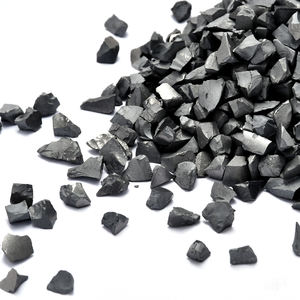
Quartz ceramics, also known as fused silica ceramics or re-bonded quartz products, are a high-performance advanced ceramic material. Unlike traditional clay-based ceramics, they are not made by sintering clay, but rather from high-purity fused silica (silicon dioxide, SiO₂) that is crushed, shaped, and then sintered at high temperatures.
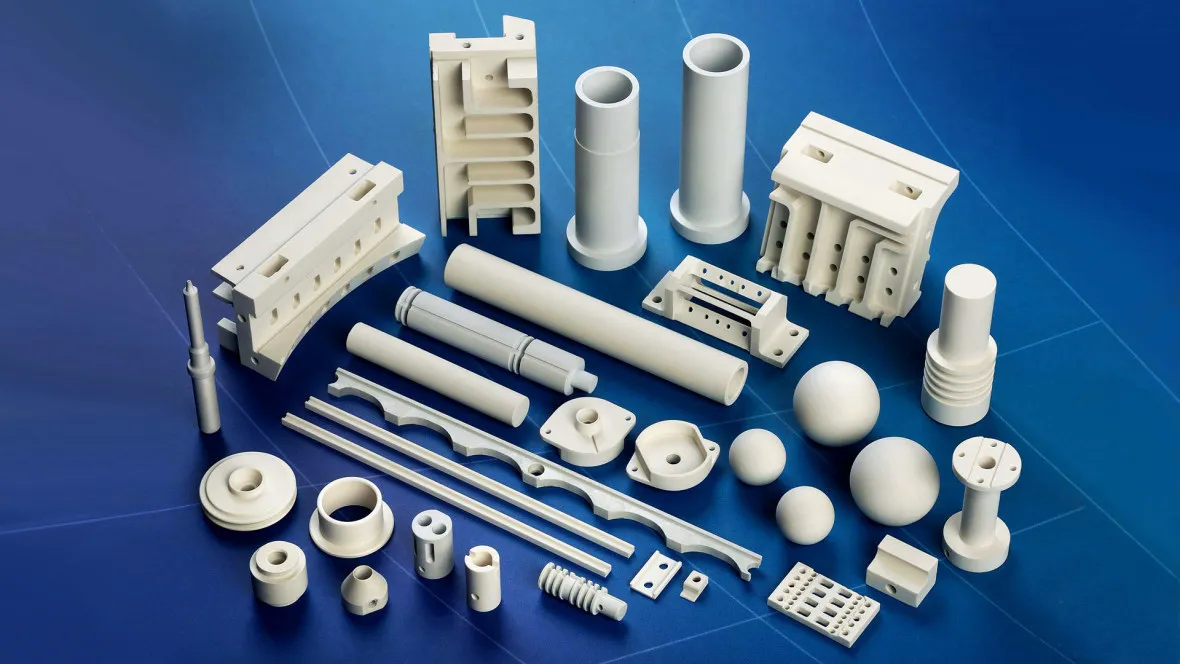
Their core appeal lies in their unique combination of the excellent properties of fused silica glass (such as extremely low thermal expansion coefficient and excellent thermal shock stability) and the structural strength and versatility of ceramics (they can be made into crucibles, rollers, and irregularly shaped parts), overcoming the limitations of fused silica glass in terms of difficulty in manufacturing large sizes and complex shapes, and its high cost.
Quartz ceramics perform exceptionally well in harsh environments involving high temperatures, rapid temperature changes, and chemical corrosion, and are widely used in solar photovoltaics (crucibles for polycrystalline silicon ingot furnaces), semiconductors, aerospace, metallurgy and casting, the glass industry, and laboratories.
Main Characteristics of Factory Quartz Limestone Ceramic Industrial Dry Grinding Mill
Excellent Thermal Shock Stability: They have an extremely low thermal expansion coefficient, generating almost no thermal stress during rapid temperature changes, and can withstand rapid cooling from extremely high temperatures to room temperature without cracking.
Extremely High Temperature Resistance and Thermal Stability: They can be used continuously at temperatures of 1100°C – 1350°C, and can even withstand higher temperatures for short periods. They do not soften or deform at high temperatures and maintain good dimensional stability.
Excellent Chemical Inertness and Corrosion Resistance: Except for hydrofluoric acid and hot concentrated phosphoric acid, they have strong resistance to most acids, salt solutions, and molten metals (such as aluminum, copper, gold, silver, and platinum), making them ideal melting and containment vessels.
Low Thermal Conductivity and Good Electrical Insulation: They have low thermal conductivity, making them excellent thermal insulation materials. They also maintain good electrical insulation properties at high temperatures.
High Purity and Low Contamination Risk: Made from high-purity quartz sand, they do not contaminate the high-purity molten metals or semiconductor materials they come into contact with, ensuring process cleanliness.
Moderate Mechanical Strength: Compared to most engineering ceramics, their mechanical strength at room temperature is relatively low; they are brittle materials. However, their strength is sufficient under their designed operating conditions (high-temperature insulation, thermal shock resistance). Its strength can be improved by optimizing the formula and manufacturing process.
Specifications of Factory Quartz Limestone Ceramic Industrial Dry Grinding Mill
Manufacturing Facility Quartz Sedimentary Rock Ceramic Industrial Dry Grinding Mill– Key Specs
Design and Develop
This commercial dry grinding mill is developed for heavy-duty usage in processing tough products like quartz, sedimentary rock, and ceramic. The main body makes use of high-strength steel with wear-resistant liners to manage consistent abrasion. All components are specifically crafted to lower resonance and guarantee secure operation over long periods.
Grinding Capacity
The mill supports feed sizes up to 25 mm and delivers great outcome to 200 mesh (75 microns) or finer, depending upon product type and configuration. Common throughput arrays from 1 to 20 bunches per hour. Real result varies based on moisture web content, solidity, and preferred excellence.
Drive System
A robust motor powers the mill via a dependable equipment reducer or straight drive system. Power ratings begin at 30 kW and rise to 500 kW, chosen according to version size and workload. The system consists of overload protection and smooth-start controls to shield mechanical components.
Dust Control and Safety And Security
Given that the process runs completely dry, an incorporated dirt collection system records air-borne fragments at the resource. This maintains the work area clean and satisfies standard commercial security requirements. Operators can access essential areas through service hatches for regular checks or part substitute.
Setup and Operation
The device shows up pre-assembled where feasible to reduce installation time. Basic foundation work is required prior to configuration. Controls are easy– manual or semi-automatic alternatives allow users adjust rate and feed rate conveniently. Marginal training is needed for everyday operation.
Upkeep Demands
Regular maintenance includes checking lining wear, lubricating bearings, and checking seals. Most wear parts are common and simple to replace. Planned servicing helps stay clear of unforeseen downtime and prolongs equipment life.
Keep in mind: Exact specifications might vary by model. Always refer to the official technical sheet for your specific system.
Applications of Factory Quartz Limestone Ceramic Industrial Dry Grinding Mill
Factory Applications of Quartz, Limestone, and Ceramic Dry Grinding Mills
Reliable Efficiency for Heavy-Duty Industrial Usage
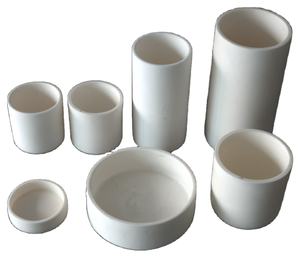
Dry grinding mills are crucial in lots of commercial settings. They grind tough materials like quartz, sedimentary rock, and ceramic into great powders. These powders are used in building, glass making, porcelains, and chemical manufacturing. The mill works without water, which saves power and avoids moisture-related issues.
Quartz processing needs exact grinding to keep purity. Our completely dry grinding mill handles quartz effectively. It creates constant bit dimensions needed for premium applications like electronic devices and optical fibers.
Limestone grinding is common in concrete and structure material sectors. The mill breaks down large sedimentary rock portions into fine powder. This powder becomes a crucial ingredient in cement, asphalt, and agricultural lime. The dry procedure makes sure rapid throughput and reduced operating expense.
Ceramic manufacturing needs ultra-fine raw materials. The mill grinds ceramic clays and minerals to the precise fineness required. This improves product quality and reduces waste throughout firing. Manufacturing facilities benefit from secure output and very little maintenance.
The mill’s design concentrates on longevity and simplicity of usage. It utilizes solid steel components and wear-resistant linings. This implies longer service life even under consistent hefty loads. Operators can change settings to match different material types and outcome demands.
Dust control is developed right into the system. A sealed structure and optional dust collector maintain the workspace clean and risk-free. This meets ecological and workplace security requirements.
Manufacturing facilities select this dry grinding mill since it delivers consistent efficiency day in day out. It fits efficiently into existing production lines. Arrangement is simple, and spare components are very easy to change. Energy usage stays reduced while output remains high.

Company Profile
Synthetic-chemical focus on the research and development, production and sales of ceramic products, serving the electronics, ceramics, chemical and other industries. Since its establishment in 2015, the company has been committed to providing customers with the best products and services, and has become a leader in the industry through continuous technological innovation and strict quality management.
Our products includes but not limited to Aluminum Nitride, Aluminum Oxide, Boron Carbide, Boron Nitride, Ceramic Crucible, ect. If you are interested in any type of these, please feel free to contact us.

Payment Methods
T/T, Western Union, Paypal, Credit Card etc.
Shipment Methods
By air, by sea, by express, as customers request.
5 FAQs of Factory Quartz Limestone Ceramic Industrial Dry Grinding Mill
Frequently Asked Questions About Our Industrial Dry Grinding Mill
What materials can this grinding mill process?
This mill works well with quartz, limestone, and ceramic raw materials. It is built for dry grinding only. Do not use it for wet or sticky substances.
How does the mill control particle size?
The machine uses adjustable settings to manage output fineness. You can change the classifier speed or airflow to get your desired particle size. This gives you consistent results every time.
Is the mill energy efficient?
Yes. The design reduces power waste during operation. High-efficiency motors and optimized airflow help lower energy use. This cuts running costs over time.
What maintenance does the mill need?
Check wear parts like liners and grinding rollers regularly. Clean the system after each batch to avoid buildup. Lubricate moving parts as the manual says. Simple care keeps performance steady.
Can the mill run continuously?
It is made for long, uninterrupted runs. The cooling system and durable components support 24/7 operation. Just follow safety guidelines and monitor load levels to prevent overheating.
REQUEST A QUOTE
RELATED PRODUCTS
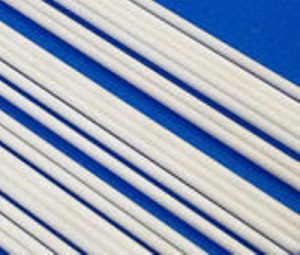
Glass Tempering Furnace Quartz Fused Silica Ceramic Roller
Good Product Ceramic Tile Display Stand for Quartz Stone Rack
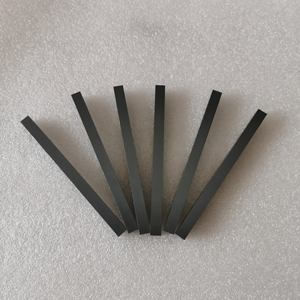
Customized Excellent Quality Milky White Fused Quartz Ceramic Crucible
Showroom Quartz Stone Sample Ceramic Tile Display Rack Floor Slide
High Quality Quartz Sand and Chips for Glass Ceramic Production