Next-Generation Ceramics: Unlocking Superior Properties for Industry

PRODUCT PARAMETERS
Description
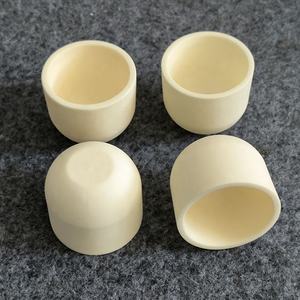
Overview of MgO Magnesia Ceramic Crucible For Laboratory And Industrial Use
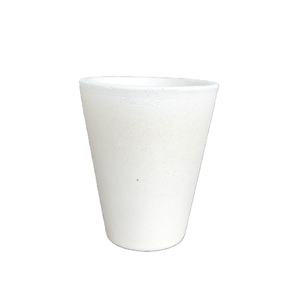
A Ceramic Crucible is a vessel designed to withstand extreme temperatures for melting, calcining, or reacting chemical substances. Advanced ceramic crucibles are engineered from high-purity materials like Alumina, Zirconia, Boron Nitride, or Magnesia, chosen for their ability to contain specific molten materials without contamination or failure.
Features of MgO Magnesia Ceramic Crucible For Laboratory And Industrial Use
- Extreme Temperature Resistance: Can operate continuously from 1000°C to over 1800°C, depending on the material.
- High Purity & Chemical Inertness: Minimizes reaction with and contamination of the melt (metal, glass, salt, ash).
- Excellent Thermal Shock Resistance: (Grade-dependent) Can withstand rapid heating and cooling cycles.
- Variety of Compositions & Designs: Tailored for specific applications (e.g., BN for reactive metals, ZrO₂ for precious metals, MgO for basic slags).
- Durable & Reusable: High-quality crucibles can survive multiple cycles, providing long service life.
Specifications of MgO Magnesia Ceramic Crucible For Laboratory And Industrial Use
Requirements of MgO Magnesia Porcelain Crucible
Product and Composition
Magnesium oxide (MgO) is the primary material used in this crucible. It has over 96% pure MgO. This high pureness offers the crucible exceptional resistance to basic slags and high-temperature settings. No binders or ingredients that reduced efficiency are utilized.
Temperature Resistance
The crucible can manage continual usage at temperatures approximately 2000 ° C (3632 ° F). It remains stable even under rapid heating or cooling cycles. Thermal shock resistance is solid, which reduces the danger of cracking during laboratory or commercial procedures.
Physical Residences
Density ranges from 3.0 to 3.2 g/cm TWO. The crucible has reduced porosity, generally listed below 10%, which assists protect against contamination of samples. Its hardness and mechanical strength make it ideal for repeated use without deformation.
Readily Available Sizes and Shapes
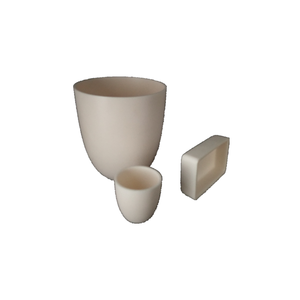
Requirement dimensions consist of capabilities from 5 mL to 500 mL. Usual forms are round with straight or tapered walls. Customized measurements and quantities can be made upon demand to meet details experimental or manufacturing requirements.
Applications
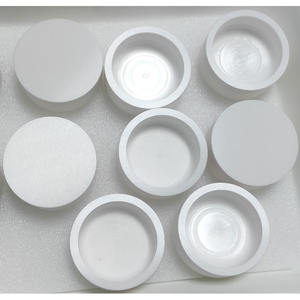
This crucible is ideal for melting, calcining, and sintering materials in both lab and industrial settings. It works well with oxides, steels, and porcelains that require a non-reactive container at severe temperature levels. It is typically used in metallurgy, materials scientific research, and quality control labs.
Care and Handling
Constantly preheat the crucible slowly prior to full-temperature use. Stay clear of abrupt temperature level changes. Shop in a completely dry place to avoid wetness absorption. Handle with tidy tongs to avoid surface contamination or physical damages.
Applications of MgO Magnesia Ceramic Crucible For Laboratory And Industrial Use
Applications of MgO Magnesia Porcelain Crucible for Lab and Industrial Usage
High-Temperature Security for Demanding Tasks
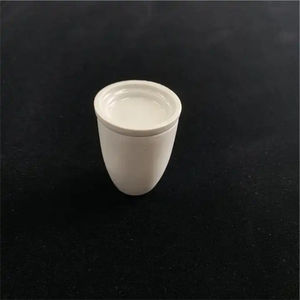
MgO magnesia ceramic crucibles handle severe warmth without damaging down. They stay solid at temperature levels as much as 2,800 ° C (5,072 ° F). This makes them optimal for thawing metals, firing ceramics, or running high-heat chain reaction. Their structure stands up to thermal shock, so abrupt temperature level modifications will not crack them easily.
Pure Results in Delicate Experiments
These crucibles are made from high-purity magnesium oxide. That suggests they rarely respond with samples inside. Labs use them when also little contaminations can wreck results– like in spectroscopy, ash screening, or preparing ultra-pure oxides. The material does not leach contaminants, keeping test outcomes exact and repeatable.
Dependable Efficiency Throughout Industries
Past the lab, MgO crucibles support sturdy industrial processes. Shops utilize them to hold liquified steel, nickel, or cobalt alloys. Glass manufacturers rely upon them throughout set melting. Their inert surface area protects against undesirable reactions with hostile slags or fluxes. Even in constant high-heat operations, they preserve form and stability over lots of cycles.
Long Life with Very Little Maintenance
Thanks to their dense, non-porous construct, these crucibles resist deterioration and wear. They clean easily and require little maintenance between usages. Users save time and money since substitutes are needed much less frequently. Correct handling guarantees regular efficiency set after set.
Safe Handling of Responsive Products
MgO crucibles work well with substances that strike various other porcelains– like basic slags or alkaline compounds. Their chemical stability implies safer processing of reactive or harsh materials. Operators face less threats of spills or unforeseen responses throughout home heating or cooling phases.

Company Profile
Synthetic-chemical focus on the research and development, production and sales of ceramic products, serving the electronics, ceramics, chemical and other industries. Since its establishment in 2015, the company has been committed to providing customers with the best products and services, and has become a leader in the industry through continuous technological innovation and strict quality management.
Our products includes but not limited to Aluminum Nitride, Aluminum Oxide, Boron Carbide, Boron Nitride, Ceramic Crucible, ect. If you are interested in any type of these, please feel free to contact us.

Payment Methods
T/T, Western Union, Paypal, Credit Card etc.
Shipment Methods
By air, by sea, by express, as customers request.
5 FAQs of MgO Magnesia Ceramic Crucible For Laboratory And Industrial Use
Frequently Asked Questions About MgO Magnesia Ceramic Crucibles
What is a MgO magnesia ceramic crucible made of?
This crucible is made from high-purity magnesium oxide (MgO). The material is shaped and fired at very high temperatures. This gives the crucible strong resistance to heat and corrosion. It works well in both lab and industrial settings.
What temperatures can it handle?
MgO crucibles can safely operate up to 2,200°C (about 4,000°F). They stay stable even under extreme heat. This makes them ideal for melting metals, ash testing, and high-temperature reactions.
Can it be used with all types of chemicals?
No. MgO is basic, so it reacts with acidic substances like silica or phosphates. Avoid using it with strong acids or acidic fluxes. It works best with neutral or basic materials such as oxides, carbonates, and some metals.
How should I handle and store the crucible?
Always handle the crucible with clean, dry tongs. Do not drop or strike it—it is brittle and can crack. Store it in a dry place away from moisture. MgO absorbs water easily, which can weaken the structure during heating.
How long does a MgO crucible last?
Its life depends on how you use it. With proper handling and correct temperature control, it can last many cycles. Avoid sudden temperature changes. Thermal shock is a common cause of failure. Replace the crucible if you see cracks, chips, or signs of wear.
REQUEST A QUOTE
RELATED PRODUCTS
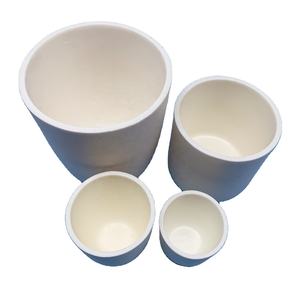
High Purity Alumina Ceramic Crucible for Melting Applications
High Purity Boron Nitride Ceramic Crucibles for Various Applications
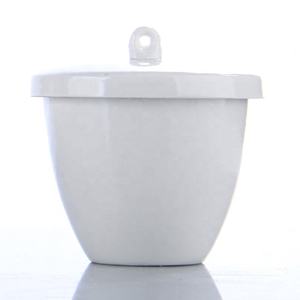
Zirconia Ceramic Tank Crucible for Grinding and Milling
Big Size High Purity Alumina Ceramic Crucible for Heavy Duty
Hot Pressed BN Ceramic Crucible 2000 Degrees Boron Nitride Insulation Cup