Next-Generation Ceramics: Unlocking Superior Properties for Industry

PRODUCT PARAMETERS
Description
Overview of Ceramic Alumina Ball Mill Grinding Machine Dry Quartz Ball Mill
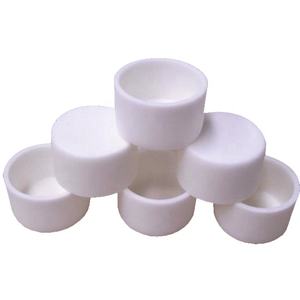
Quartz ceramics, also known as fused silica ceramics or re-bonded quartz products, are a high-performance advanced ceramic material. Unlike traditional clay-based ceramics, they are not made by sintering clay, but rather from high-purity fused silica (silicon dioxide, SiO₂) that is crushed, shaped, and then sintered at high temperatures.
Their core appeal lies in their unique combination of the excellent properties of fused silica glass (such as extremely low thermal expansion coefficient and excellent thermal shock stability) and the structural strength and versatility of ceramics (they can be made into crucibles, rollers, and irregularly shaped parts), overcoming the limitations of fused silica glass in terms of difficulty in manufacturing large sizes and complex shapes, and its high cost.
Quartz ceramics perform exceptionally well in harsh environments involving high temperatures, rapid temperature changes, and chemical corrosion, and are widely used in solar photovoltaics (crucibles for polycrystalline silicon ingot furnaces), semiconductors, aerospace, metallurgy and casting, the glass industry, and laboratories.
Main Characteristics of Ceramic Alumina Ball Mill Grinding Machine Dry Quartz Ball Mill
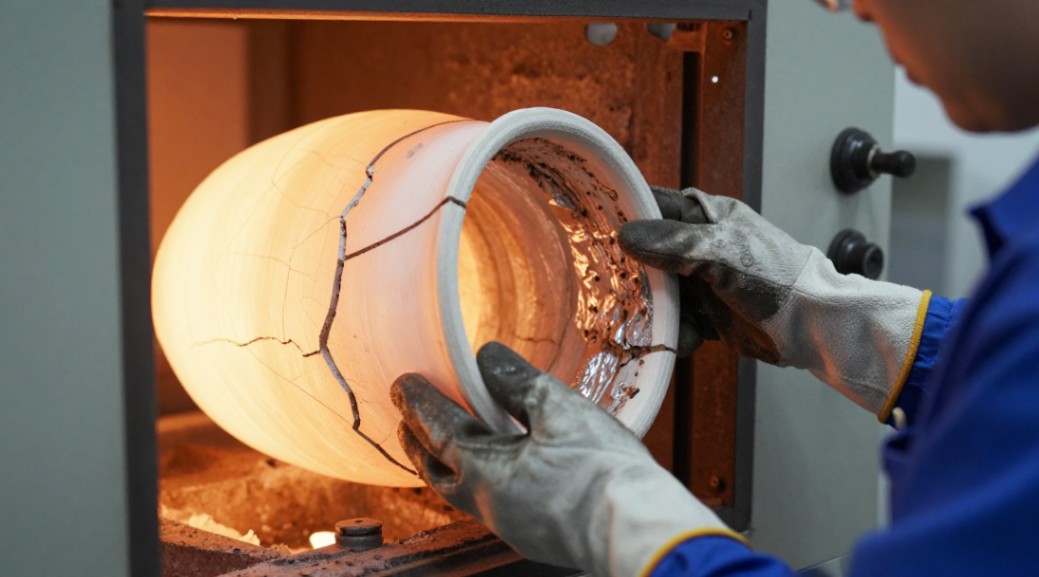
Excellent Thermal Shock Stability: They have an extremely low thermal expansion coefficient, generating almost no thermal stress during rapid temperature changes, and can withstand rapid cooling from extremely high temperatures to room temperature without cracking.
Extremely High Temperature Resistance and Thermal Stability: They can be used continuously at temperatures of 1100°C – 1350°C, and can even withstand higher temperatures for short periods. They do not soften or deform at high temperatures and maintain good dimensional stability.
Excellent Chemical Inertness and Corrosion Resistance: Except for hydrofluoric acid and hot concentrated phosphoric acid, they have strong resistance to most acids, salt solutions, and molten metals (such as aluminum, copper, gold, silver, and platinum), making them ideal melting and containment vessels.
Low Thermal Conductivity and Good Electrical Insulation: They have low thermal conductivity, making them excellent thermal insulation materials. They also maintain good electrical insulation properties at high temperatures.
High Purity and Low Contamination Risk: Made from high-purity quartz sand, they do not contaminate the high-purity molten metals or semiconductor materials they come into contact with, ensuring process cleanliness.
Moderate Mechanical Strength: Compared to most engineering ceramics, their mechanical strength at room temperature is relatively low; they are brittle materials. However, their strength is sufficient under their designed operating conditions (high-temperature insulation, thermal shock resistance). Its strength can be improved by optimizing the formula and manufacturing process.
Specifications of Ceramic Alumina Ball Mill Grinding Machine Dry Quartz Ball Mill
Specs of Ceramic Alumina Round Mill Grinding Device– Dry Quartz Sphere Mill
Design and Building
This dry quartz round mill utilizes high-purity alumina ceramic cellular lining and grinding media. The body is developed from thick steel for toughness and long life span. All internal surface areas that touch the product are fully lined with 95% or 99% alumina ceramic tiles. This prevents metal contamination and keeps the ground item pure.
Grinding Efficiency
Solid grinding activity originates from the rotation of the cylinder full of ceramic balls. The equipment operates in completely dry setting just, making it perfect for quartz, feldspar, and various other non-metallic minerals. Bit dimension after grinding can get to below 10 microns, depending on feed size and run time. Set or continual operation is possible based on your configuration.
Technical Particulars
Regular drum dimensions vary from 20 litres to 5,000 litres. Electric motor power starts at 1.5 kW and increases to 90 kW for huge designs. Turning rate is adjustable in between 20 and 80 rpm. The feed opening is sealed to stop dirt from getting away. A security guard covers moving components to secure operators.
Trick Features
– Strong put on resistance many thanks to high-alumina ceramic
– No iron or steel contamination in final powder
– Low noise throughout procedure
– Easy to cleanse and preserve
– Built-in overload protection for the motor
Applications
This mill is made use of in porcelains, glass, electronics, and chemical sectors. It grinds raw materials like quartz sand, zirconia, kaolin, and pigments. The output remains white or color-neutral because no metal touches the product. That makes it excellent for items where pureness matters most.
Applications of Ceramic Alumina Ball Mill Grinding Machine Dry Quartz Ball Mill
Applications of Ceramic Alumina Ball Mill Grinding Equipment for Dry Quartz
Why Make Use Of a Ceramic Alumina Ball Mill?
The ceramic alumina sphere mill grinding machine is constructed for dry grinding jobs that require high purity and fine bit dimension. It makes use of high-density alumina ceramic spheres instead of steel media. This protects against contamination from iron or other metals. The outcome is cleaner output, which matters a whole lot in delicate markets.
Dry quartz handling is one vital use. Quartz must remain pure for electronics, photovoltaic panels, and optical glass. Even little metal traces can ruin efficiency. The ceramic lining and grinding media maintain the quartz uncontaminated during milling.
Where Is It Used?
This device works well in mineral handling plants. It grinds quartz rock into fine powder without adding water. That conserves drying time and cuts energy costs. The completely dry technique also avoids wastewater concerns.
In the ceramics sector, ground quartz enters into glazes and bodies. Pureness affects shade and strength. The alumina ball mill supplies consistent fineness without any foreign particles.
Electronics manufacturers rely on it also. High-purity quartz powder is used in semiconductors and silicon wafers. Any kind of contamination can trigger problems. The non-metallic nature of this mill makes it suitable.
Chemical and paint manufacturers additionally use it. They require inert, ultra-fine fillers. Alumina ceramic parts do not respond with the majority of chemicals. This keeps the end product stable and secure.
Key Perks
No metal contact methods greater product pureness.
Low wear on both media and lining expands life span.
Energy-efficient style lowers running expenses with time.
Basic operation permits fast arrangement and very little maintenance.
The equipment takes care of batch or continual completely dry grinding. Operators can adjust rate and time to get to the specific fineness needed. This versatility fits lots of manufacturing ranges– from lab testing to full industrial runs.

Company Profile
Synthetic-chemical focus on the research and development, production and sales of ceramic products, serving the electronics, ceramics, chemical and other industries. Since its establishment in 2015, the company has been committed to providing customers with the best products and services, and has become a leader in the industry through continuous technological innovation and strict quality management.
Our products includes but not limited to Aluminum Nitride, Aluminum Oxide, Boron Carbide, Boron Nitride, Ceramic Crucible, ect. If you are interested in any type of these, please feel free to contact us.

Payment Methods
T/T, Western Union, Paypal, Credit Card etc.
Shipment Methods
By air, by sea, by express, as customers request.
5 FAQs of Ceramic Alumina Ball Mill Grinding Machine Dry Quartz Ball Mill
Frequently Asked Questions About Ceramic Alumina Ball Mill Grinding Machine for Dry Quartz
What is a ceramic alumina ball mill used for?
This machine grinds dry quartz into fine powder. It uses high-purity alumina grinding media and lining. The material stays clean because there is no metal contact during grinding. This makes it ideal for making high-quality quartz powder used in electronics, ceramics, and glass.
Why choose alumina over steel balls?
Alumina balls do not rust or wear down like steel. They keep the ground material pure. Steel can add unwanted metals to the powder. Alumina is harder and lasts longer in dry grinding. That means less contamination and lower long-term costs.
Can this mill handle large production volumes?
Yes. These mills come in many sizes. Small units suit labs. Large models work in factories. You can run them continuously for steady output. Just match the machine size to your daily needs.
How do I maintain the machine?
Check the lining and balls regularly. Replace them if they show heavy wear. Keep the motor and bearings clean and lubricated. Make sure the feed material is dry and free of large chunks. This prevents blockages and damage.
Is it safe to operate?
Yes, if you follow basic safety rules. Always turn off power before opening the mill. Wear protective gear like gloves and goggles. Keep loose clothing away from moving parts. Most models have safety locks and emergency stops for extra protection.
REQUEST A QUOTE
RELATED PRODUCTS
Holder Metal Flooring Stone Quartz Display Rack Ceramic Display Rack
Custom Countertop Quartz Ceramic Tile Sample Display Stand
Fused Quartz Ceramic Roller
Horizontal Slab Ceramic Tile Display Racks Metal Quartz Granite Stand
High Quality Quartz Sand and Chips for Glass Ceramic Production