Next-Generation Ceramics: Unlocking Superior Properties for Industry

PRODUCT PARAMETERS
Description
Overview of Ceramic Ball Mill for Quartz
Quartz ceramics, also known as fused silica ceramics or re-bonded quartz products, are a high-performance advanced ceramic material. Unlike traditional clay-based ceramics, they are not made by sintering clay, but rather from high-purity fused silica (silicon dioxide, SiO₂) that is crushed, shaped, and then sintered at high temperatures.
Their core appeal lies in their unique combination of the excellent properties of fused silica glass (such as extremely low thermal expansion coefficient and excellent thermal shock stability) and the structural strength and versatility of ceramics (they can be made into crucibles, rollers, and irregularly shaped parts), overcoming the limitations of fused silica glass in terms of difficulty in manufacturing large sizes and complex shapes, and its high cost.
Quartz ceramics perform exceptionally well in harsh environments involving high temperatures, rapid temperature changes, and chemical corrosion, and are widely used in solar photovoltaics (crucibles for polycrystalline silicon ingot furnaces), semiconductors, aerospace, metallurgy and casting, the glass industry, and laboratories.
Main Characteristics of Ceramic Ball Mill for Quartz
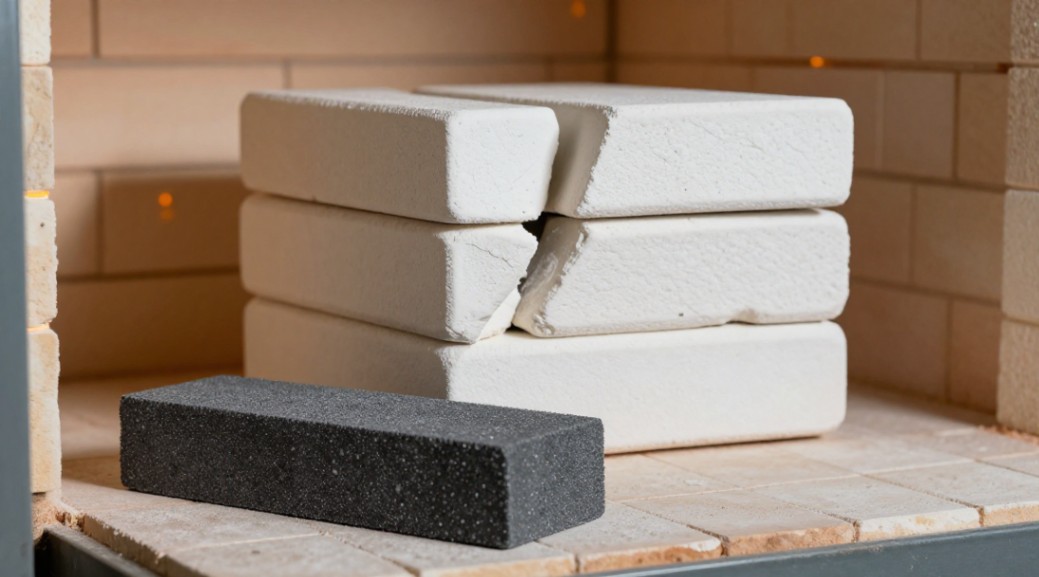
Excellent Thermal Shock Stability: They have an extremely low thermal expansion coefficient, generating almost no thermal stress during rapid temperature changes, and can withstand rapid cooling from extremely high temperatures to room temperature without cracking.
Extremely High Temperature Resistance and Thermal Stability: They can be used continuously at temperatures of 1100°C – 1350°C, and can even withstand higher temperatures for short periods. They do not soften or deform at high temperatures and maintain good dimensional stability.
Excellent Chemical Inertness and Corrosion Resistance: Except for hydrofluoric acid and hot concentrated phosphoric acid, they have strong resistance to most acids, salt solutions, and molten metals (such as aluminum, copper, gold, silver, and platinum), making them ideal melting and containment vessels.
Low Thermal Conductivity and Good Electrical Insulation: They have low thermal conductivity, making them excellent thermal insulation materials. They also maintain good electrical insulation properties at high temperatures.
High Purity and Low Contamination Risk: Made from high-purity quartz sand, they do not contaminate the high-purity molten metals or semiconductor materials they come into contact with, ensuring process cleanliness.
Moderate Mechanical Strength: Compared to most engineering ceramics, their mechanical strength at room temperature is relatively low; they are brittle materials. However, their strength is sufficient under their designed operating conditions (high-temperature insulation, thermal shock resistance). Its strength can be improved by optimizing the formula and manufacturing process.
Specifications of Ceramic Ball Mill for Quartz
Requirements of Ceramic Round Mill for Quartz
Style and Building and construction
The ceramic ball mill for quartz includes a robust cylindrical chamber lined with high-purity alumina or silica-based ceramics. This lining avoids steel contamination throughout grinding, which is vital for producing state-of-the-art quartz powder. The drum turns on a horizontal axis and is supported by sturdy bearings developed for constant operation.
Ability and Dimension
Versions range from small lab systems (5– 20 litres) to large commercial systems (approximately 5,000 litres). The inner volume determines batch dimension and throughput. Customers select the design based on manufacturing requirements and readily available space.
Grinding Media
The mill utilizes ceramic spheres made from zirconia or alumina. These media are hard, wear-resistant, and chemically inert. Ball sizes normally vary from 10 mm to 50 mm in size. The mix of sphere sizes aids attain uniform particle size distribution in the final product.
Drive System
A typical electric motor powers the rotation, with speed controlled by a variable-frequency drive. Rotational rates generally drop in between 20 and 60 rpm, depending on drum size. Slower rates reduce heat accumulation and protect against damage to delicate quartz frameworks.
Sealing and Safety
The system includes closed seals to maintain wetness and foreign fragments out. A security interlock quits procedure if the lid is opened during use. All electrical elements satisfy industrial safety and security criteria.
Performance Includes
This sphere mill supplies great grinding down to 1– 5 microns. It operates quietly compared to metal-lined mills. Maintenance is basic– liners and grinding media can be replaced without unique devices. Cleaning up between sets fasts, lowering cross-contamination danger.
Applications
Suitable for processing high-purity quartz utilized in electronics, photovoltaic panels, optical fibers, and specialized glass. The all-ceramic get in touch with surface areas make sure the end product fulfills rigorous purity needs.
Applications of Ceramic Ball Mill for Quartz
Applications of Ceramic Sphere Mill for Quartz
Why Make Use Of a Ceramic Round Mill for Quartz?
Quartz is a tough mineral. It needs special tools to grind it right into great powder. A ceramic ball mill is among the most effective choices for this task. The inside of the mill is lined with premium ceramic material. This protects against metal contamination throughout grinding. Pure quartz powder is necessary for lots of markets. Also a percentage of metal can destroy the final product.
Trick Utilizes in Market
Glass manufacturers use quartz powder made in ceramic round mills. The purity of the powder aids produce clear, strong glass. In electronic devices, quartz is used to make silicon wafers and fiber optics. These need ultra-clean materials. A ceramic ball mill provides that sanitation.
The ceramics sector likewise relies upon carefully ground quartz. It improves strength and thermal stability in products like ceramic tiles and sanitary ware. Repaint and finish manufacturers include quartz powder to enhance longevity and texture. Again, they require pure product without iron or various other steels.
Just how It Functions
The ceramic sphere mill functions by revolving a drum filled with ceramic grinding media and quartz portions. As the drum turns, the spheres squash and grind the quartz right into powder. Due to the fact that both the cellular lining and the spheres are ceramic, no steel enters the mix. The process is silent, efficient, and secure for making high-purity quartz powder.
Operators can control the excellence of the powder by changing rotation rate and grinding time. This makes the ceramic ball mill adaptable for various production demands. It takes care of both small batches and large-scale procedures with ease.
Maintenance and Durability
Ceramic components put on gradually. This means much less downtime and reduced maintenance prices. The mill runs efficiently over extended periods. Users obtain consistent results without frequent component replacements.

Company Profile
Synthetic-chemical focus on the research and development, production and sales of ceramic products, serving the electronics, ceramics, chemical and other industries. Since its establishment in 2015, the company has been committed to providing customers with the best products and services, and has become a leader in the industry through continuous technological innovation and strict quality management.
Our products includes but not limited to Aluminum Nitride, Aluminum Oxide, Boron Carbide, Boron Nitride, Ceramic Crucible, ect. If you are interested in any type of these, please feel free to contact us.

Payment Methods
T/T, Western Union, Paypal, Credit Card etc.
Shipment Methods
By air, by sea, by express, as customers request.
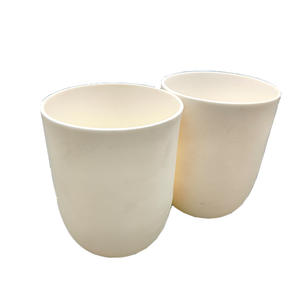
5 FAQs of Ceramic Ball Mill for Quartz
Frequently Asked Questions About Ceramic Ball Mills for Quartz
What is a ceramic ball mill used for in quartz processing?
A ceramic ball mill grinds quartz into fine powder. It uses ceramic lining and grinding media to avoid metal contamination. This is important when high-purity quartz is needed for glass, electronics, or solar panels.
Why choose ceramic over steel ball mills for quartz?
Quartz is sensitive to iron and other metals. Steel mills can introduce impurities during grinding. Ceramic mills prevent this because they contain no metal parts that touch the material. The result is cleaner, higher-quality quartz powder.
How does a ceramic ball mill work?
The mill rotates slowly, causing ceramic balls inside to tumble and crush the quartz. The inner lining is also ceramic, so nothing wears off into the product. You can control the fineness by adjusting rotation speed and grinding time.
What size of quartz can be fed into the mill?
Feed material should be small—usually under 10 mm. Larger pieces may damage the ceramic lining or reduce grinding efficiency. Pre-crushing is often needed before loading into the mill.
How do I maintain a ceramic ball mill?
Check the lining and grinding media regularly for cracks or wear. Clean the mill after each use to avoid cross-contamination. Never run it empty, as this can cause unnecessary stress on the ceramic parts. Keep operating speeds within the recommended range to extend equipment life.
REQUEST A QUOTE
RELATED PRODUCTS
Automatic Portable Ceramic Porcelain Quartz Stone Tile Cutting Machine
Axis CNC Water Jet Machine for Cutting Quartz and Ceramics
Custom White Ceramic Quartz Kitchen Sink Set
s Supply High Purity White Quartz Silica Sand for Ceramics
Water Jet for Marble Quartz Ceramic Tiles Cutting Axis Machine