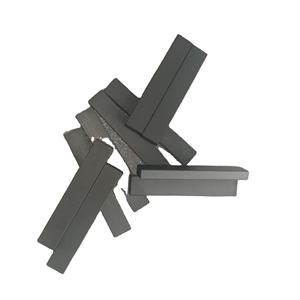
Next-Generation Ceramics: Unlocking Superior Properties for Industry

PRODUCT PARAMETERS
Description
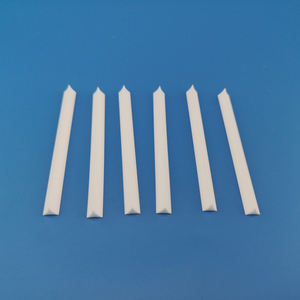
Overview of Boron Nitride Ceramic Tube Rod Pipe
Boron Nitride (BN) exists in multiple polymorphs, with Hexagonal Boron Nitride (h-BN) being the most common ceramic form. Often called “white graphite” due to its similar layered, lubricious structure, it is distinguished by its exceptional thermal stability, electrical insulation, and chemical inertness, even at extreme temperatures.
Features of Boron Nitride Ceramic Tube Rod Pipe
- High Thermal Conductivity & Excellent Electrical Insulation: Unique combination that allows it to conduct heat like a metal but insulate like a ceramic.
- Outstanding Thermal Shock Resistance: Can be heated and cooled rapidly without cracking.
- Natural Lubricity: Exhibits low friction and anti-stick properties, even at high temperatures.
- Chemically Inert: Resists wetting by and reaction with most molten metals, slags, and glasses.
- Machinable: Unlike most advanced ceramics, h-BN in its solid form can be machined to precision tolerances using conventional carbide tooling.
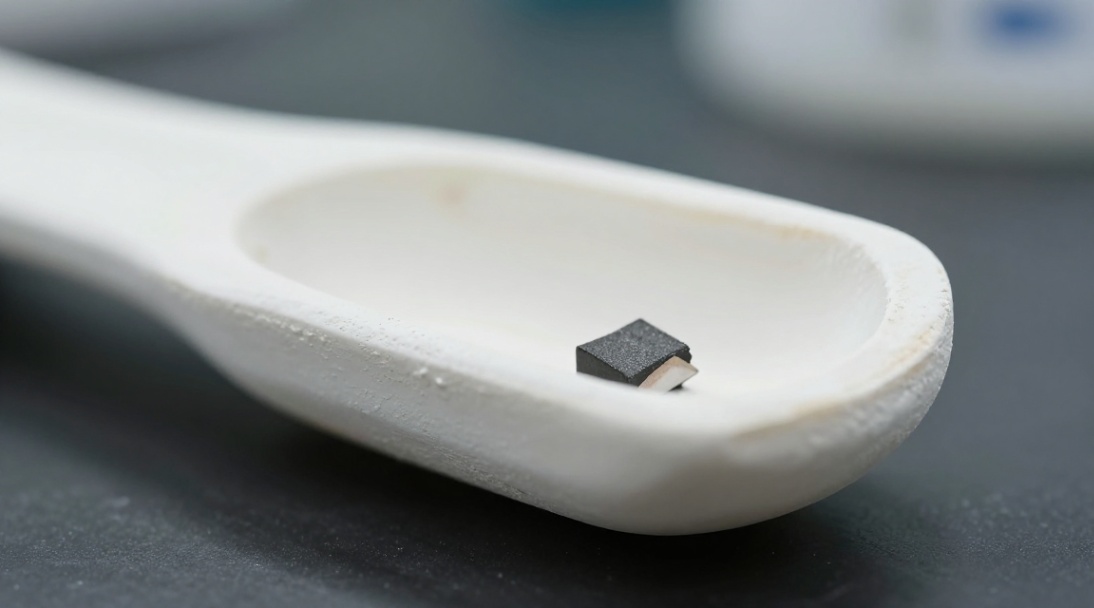
Specifications of Boron Nitride Ceramic Tube Rod Pipe
Requirements of Boron Nitride Ceramic Tube, Rod, and Pipe
Material Structure
Boron nitride (BN) is the primary material. It is available in various forms, however hexagonal boron nitride (h-BN) is most typical for tubes, rods, and pipes. This form offers the item outstanding thermal stability and electrical insulation.
Physical Properties
The thickness of boron nitride ceramic components typically varies from 1.9 to 2.1 g/cm SIX. These elements are light-weight yet solid. They can deal with temperature levels as much as 1000 ° C in air and even higher– as much as 2700 ° C– in inert environments. Their low thermal development indicates they maintain their shape under warmth tension.
Mechanical Functions
Boron nitride ceramics are soft contrasted to various other technical ceramics. This makes them very easy to maker into exact shapes. The typical firmness is around 2 on the Mohs range. Despite being soft, they offer great wear resistance in non-abrasive atmospheres.
Electric and Thermal Performance
These components are exceptional electrical insulators, even at high temperatures. Their thermal conductivity is moderate– regarding 30– 60 W/m · K— depending upon purity and alignment. Heat steps well via them without performing electricity.
Chemical Resistance
Boron nitride reveals solid resistance to numerous molten steels, salts, and acids. It does not respond with a lot of chemicals listed below 800 ° C. Nevertheless, it can oxidize gradually in air above that temperature level.
Common Measurements
Standard external sizes vary from 3 mm to 150 mm. Wall thicknesses differ from 0.5 mm to 10 mm. Sizes commonly increase to 1000 mm, though custom sizes are readily available. Resistances can be held within ± 0.05 mm for accuracy applications.
Surface End up
As-machined surface areas generally have a roughness of Ra 0.8– 3.2 µm. Smoother finishes are feasible with additional polishing if required.
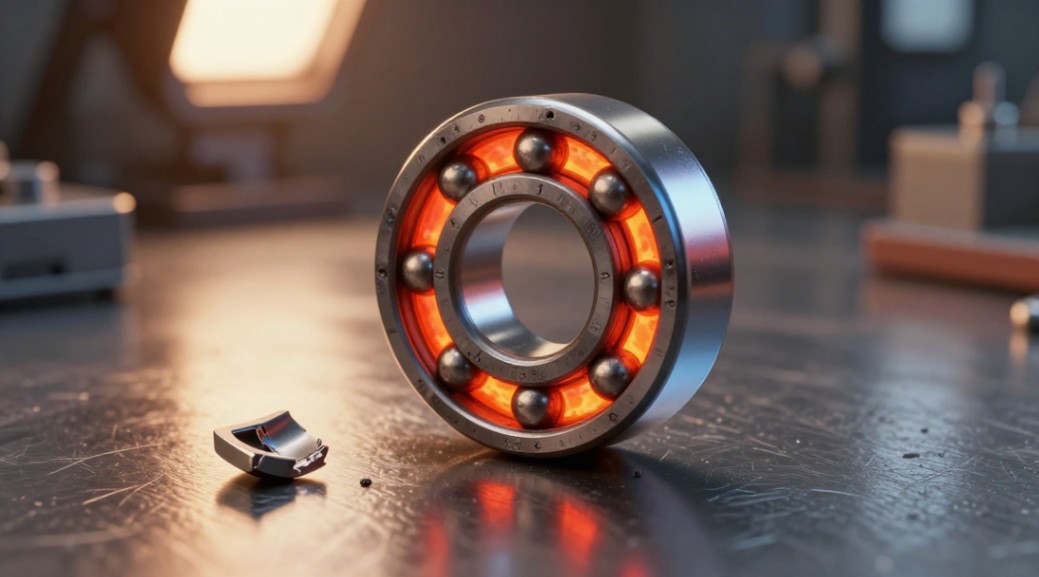
Applications of Boron Nitride Ceramic Tube Rod Pipe
Applications of Boron Nitride Ceramic Tube, Rod, and Pipeline
High-Temperature Environments
Boron nitride ceramic parts work well in extreme warmth. They remain steady even above 2,000 ° C in inert environments. This makes them excellent for furnace parts, burner sustains, and thermal insulation tubes. Their reduced thermal expansion avoids splitting during quick temperature level changes.
Electrical Insulation
These ceramics use exceptional electrical insulation while handling high voltages. Solid dielectric properties enable secure use in plasma chambers, semiconductor production tools, and high-frequency devices. Unlike metals, they do not conduct power, reducing the risk of brief circuits.
Chemical Resistance
Boron nitride stands up to assault from most molten steels, salts, and acids. It does not respond with aluminum, zinc, or glass melts. This attribute works in crucibles, thermocouple sheaths, and feedthroughs where call with corrosive materials is common. The material remains clean and undamaged over long service durations.
Machinability and Lubricity
Regardless of being a ceramic, boron nitride can be machined into accurate shapes like poles, tubes, and personalized pipelines. Its all-natural lubricity reduces friction in relocating components. This helps in applications such as seals, bearings, and overviews that run in vacuum cleaner or high-temperature settings without oil.
Vacuum Cleaner and Semiconductor Usage
In vacuum cleaner systems, boron nitride releases extremely little gas. This keeps interior pressure secure and prevents contamination. Strong pureness levels meet strict standards in semiconductor wafer processing. Tubes and rods made from this material support wafer watercrafts, diffusion obstacles, and chamber liners without introducing pollutants.

Company Profile
Synthetic-chemical focus on the research and development, production and sales of ceramic products, serving the electronics, ceramics, chemical and other industries. Since its establishment in 2015, the company has been committed to providing customers with the best products and services, and has become a leader in the industry through continuous technological innovation and strict quality management.
Our products includes but not limited to Aluminum Nitride, Aluminum Oxide, Boron Carbide, Boron Nitride, Ceramic Crucible, ect. If you are interested in any type of these, please feel free to contact us.

Payment Methods
T/T, Western Union, Paypal, Credit Card etc.
Shipment Methods
By air, by sea, by express, as customers request.
5 FAQs of Boron Nitride Ceramic Tube Rod Pipe
Frequently Asked Questions About Boron Nitride Ceramic Tubes, Rods, and Pipes
What is boron nitride ceramic?
Boron nitride ceramic is a high-performance material made from boron and nitrogen. It has excellent heat resistance, electrical insulation, and chemical stability. This material stays strong even at very high temperatures.
Why choose boron nitride over other ceramics?
Boron nitride stands out because it does not conduct electricity but transfers heat well. It also resists thermal shock better than many other ceramics. Plus, it won’t react with most molten metals or chemicals, making it ideal for harsh environments.
Where are boron nitride tubes and rods used?
These components are common in semiconductor manufacturing, high-temperature furnaces, and aerospace systems. They serve as insulators, supports, or crucibles where stability under heat and electrical isolation are critical.
Can boron nitride parts handle extreme temperatures?
Yes. Boron nitride ceramic works reliably up to 2,000°C in inert atmospheres. It keeps its shape and strength without melting or degrading, which is why engineers trust it in demanding thermal applications.
Are boron nitride tubes easy to machine or customize?
Boron nitride is softer than many technical ceramics, so it can be machined into custom shapes like rods, tubes, or complex parts. However, it still requires skilled handling to avoid chipping. Most suppliers offer standard sizes and can produce custom dimensions upon request.
REQUEST A QUOTE
RELATED PRODUCTS
Custom High Temperature Boron Nitride Ceramic Circular Insulating Kit
Lightweight Boron Nitride Ceramic Plate for Thermal Control
Boron Nitride Ceramic Thermal Shock Resistance
High Purity Boron Nitride Ceramic Electrical Insulation Cover
Boron Nitride Ceramic Parts Various Sizes Hot