Next-Generation Ceramics: Unlocking Superior Properties for Industry

PRODUCT PARAMETERS
Description
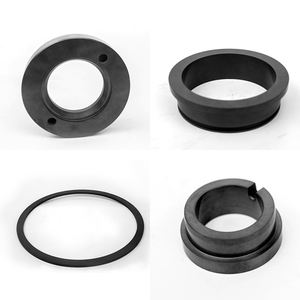
Overview of High Temperature Resistant Silicon Carbide Ceramic Ring
Silicon Carbide (SiC) is a super-hard, synthetic ceramic material known for its outstanding thermal conductivity, exceptional wear resistance, and ability to maintain high strength at extreme temperatures. It excels in demanding mechanical, thermal, and corrosive environments where other materials fail.
Features of High Temperature Resistant Silicon Carbide Ceramic Ring
- Exceptional Wear & Abrasion Resistance: Extremely hard and durable, ideal for severe wear applications.
- High Thermal Conductivity: Excellent heat dissipation, superior to most metals at high temperatures.
- Superior Chemical Resistance: Resists attack by acids, alkalis, and molten metals.
- High-Temperature Strength: Maintains mechanical strength up to 1650°C.
- Excellent Thermal Shock Resistance: Withstands rapid temperature changes far better than Alumina.
- Semiconducting Properties: Can be engineered as an electrical conductor or insulator.
Specification of High Temperature Resistant Silicon Carbide Ceramic Ring
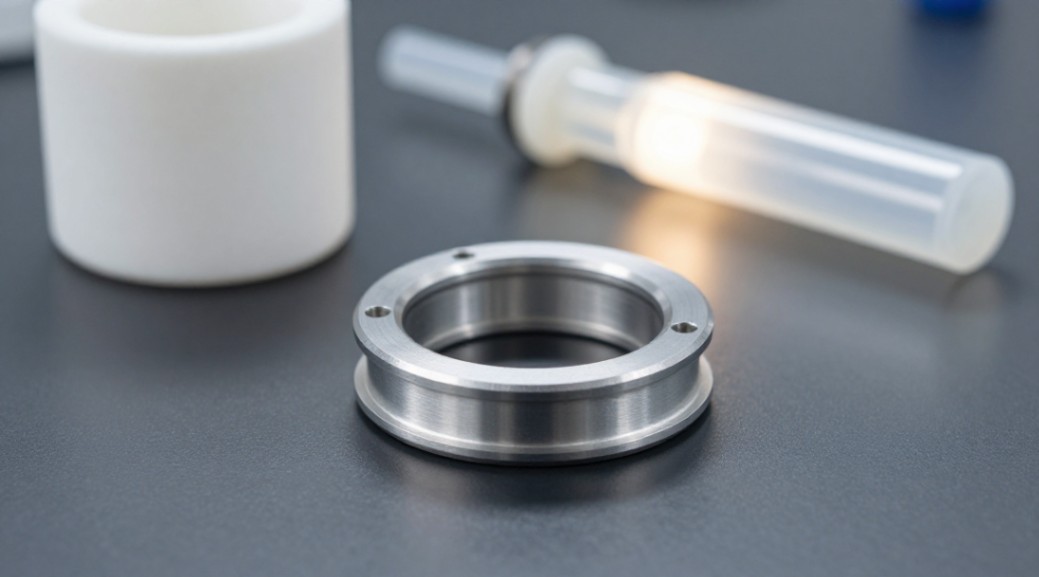
High-Temperature Immune Silicon Carbide Ceramic Ring
Superior Efficiency Under Extreme Warmth
This silicon carbide ceramic ring keeps its stamina and form even at very high temperatures. It functions well in atmospheres as much as 1600 ° C( 2912 ° F) without cracking, bending, or losing structural stability. The product withstands thermal shock, so sudden temperature level changes will not harm it.
Phenomenal Firmness and Use Resistance
Silicon carbide is one of the hardest materials utilized in industrial applications. This ring reveals excellent resistance to abrasion and erosion. It lasts much longer than metal or typical ceramic parts in extreme conditions. Its smooth surface area likewise decreases rubbing and helps preserve system efficiency.
Chemical Security for Demanding Atmospheres
The ring does not react with most acids, alkalis, or molten metals. It remains stable in destructive settings where other products would certainly break down promptly. This makes it perfect for usage in chemical handling, metallurgy, and high-temperature furnaces.
Precise Dimensions and Consistent High Quality
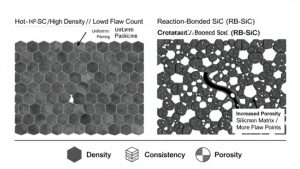
Each ring is made with tight tolerances to make certain a perfect suit your equipment. Advanced production techniques guarantee consistent thickness and marginal porosity. You obtain reliable performance part after component, batch after set.
Usual Applications
These rings are extensively used as seals, bearings, nozzles, and insulators in markets such as aerospace, energy, semiconductor manufacturing, and heavy equipment. Their capacity to do under anxiety, heat, and deterioration makes them a relied on option for crucial components.
Trick Attributes:
– Operating temperature level approximately 1600 ° C.
– High hardness (Mohs 9– 9.5).
– Reduced thermal expansion.
– Outstanding chemical inertness.
– Long service life with minimal upkeep.
This silicon carbide ceramic ring delivers reputable performance where common products fail. It incorporates resilience, precision, and security for the most difficult commercial difficulties.
Applications of High Temperature Resistant Silicon Carbide Ceramic Ring
Applications of Heat Resistant Silicon Carbide Ceramic Ring
Trusted Efficiency in Extreme Warm
Silicon carbide ceramic rings handle very high temperatures without losing strength. They stay stable also when subjected to warm above 1,400 ° C. This makes them suitable for usage in extreme industrial atmospheres where most metals or common porcelains would fall short.
Sealing and Put On Defense
These rings are often made use of as sealing parts in pumps, compressors, and shutoffs. Their firmness and smooth surface decrease friction and avoid leaks. Since they withstand use so well, they last a lot longer than conventional products like graphite or steel alloys.
Use in Chemical Handling
The chemical inertness of silicon carbide suggests it does not respond with acids, antacid, or various other hostile compounds. In chemical plants, these rings shield revolving shafts and relocating components from rust. They keep tools running securely and decrease maintenance downtime.
Efficiency in Energy Systems
Power generation systems– especially those making use of nonrenewable fuel sources or biomass– depend on parts that can endure consistent warmth and stress. Silicon carbide rings are used in generators, heaters, and warm exchangers. They help keep effectiveness and system integrity over long operating cycles.
Aerospace and Defense Applications
In jet engines and projectile systems, every part should execute under extreme stress and anxiety. Silicon carbide ceramic rings supply thermal security and mechanical stamina where weight and integrity matter a lot of. Their lightweight nature likewise supports fuel efficiency in flight systems.
Metal Spreading and Furnace Tools
Factories utilize these rings in heater doors, thermocouple protection tubes, and liquified metal handling devices. They withstand thermal shock and do not deteriorate when continuously heated and cooled. This makes sure constant efficiency throughout continual spreading operations.
Built for durability, precision, and safety, high temperature resistant silicon carbide ceramic rings meet the toughest needs throughout numerous markets. Their special combination of warm resistance, solidity, and chemical security makes them a relied on selection anywhere failing is not a choice.

Company Profile
Synthetic-chemical focus on the research and development, production and sales of ceramic products, serving the electronics, ceramics, chemical and other industries. Since its establishment in 2015, the company has been committed to providing customers with the best products and services, and has become a leader in the industry through continuous technological innovation and strict quality management.
Our products includes but not limited to Aluminum Nitride, Aluminum Oxide, Boron Carbide, Boron Nitride, Ceramic Crucible, ect. If you are interested in any type of these, please feel free to contact us.

Payment Methods
T/T, Western Union, Paypal, Credit Card etc.
Shipment Methods
By air, by sea, by express, as customers request.
5 FAQs of High Temperature Resistant Silicon Carbide Ceramic Ring
Frequently Asked Questions About High-Temperature Resistant Silicon Carbide Ceramic Rings
What makes silicon carbide ceramic rings heat resistant?
These rings are made from pure silicon carbide. This material keeps its strength even at very high temperatures—up to 1600°C in air. It does not melt, warp, or lose shape under extreme heat.
Where are these rings commonly used?
You’ll find them in industrial furnaces, aerospace engines, and chemical processing equipment. They also work well in semiconductor manufacturing and high-performance braking systems. Their stability in harsh environments makes them ideal for critical parts.
Are they resistant to wear and corrosion?
Yes. Silicon carbide is extremely hard—second only to diamond. This hardness protects against abrasion and mechanical wear. It also resists most acids, alkalis, and molten metals, so it lasts longer in corrosive settings.
Can these rings handle rapid temperature changes?
They handle thermal shock very well. Unlike many ceramics, silicon carbide expands very little when heated. This low thermal expansion means the ring won’t crack when temperatures shift quickly.
How do I choose the right size and grade?
Check your operating conditions first—temperature, pressure, and chemical exposure. Then match those to the ring’s specifications. Standard sizes are available, but custom dimensions can be made. Always confirm the purity level and density; higher values usually mean better performance in demanding applications.
REQUEST A QUOTE
RELATED PRODUCTS
High Quality Ceramic Flap Disc with Silicon Carbide Abrasive
Whole Silicon Carbide Ceramic Tiles and Hex Plate
Silicon Carbide Ceramic Crucible for High Temperature Use
Silicon Nitride Bonding Silicon Carbide Ceramic Thermocouple Tubes
Dual Whetstone Set with Silicon Carbide Ceramic Abrasive