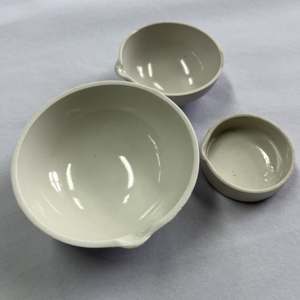
Next-Generation Ceramics: Unlocking Superior Properties for Industry

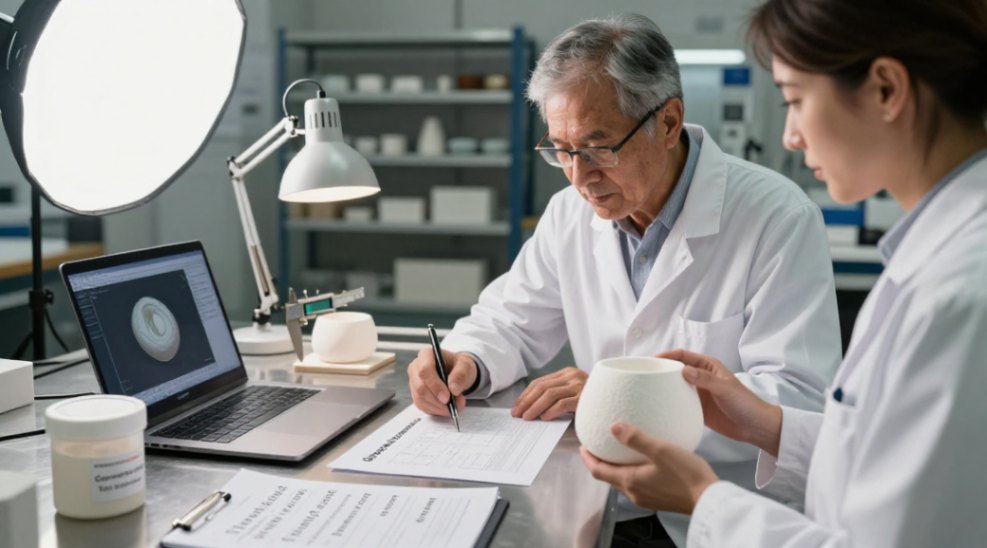
PRODUCT PARAMETERS
Description
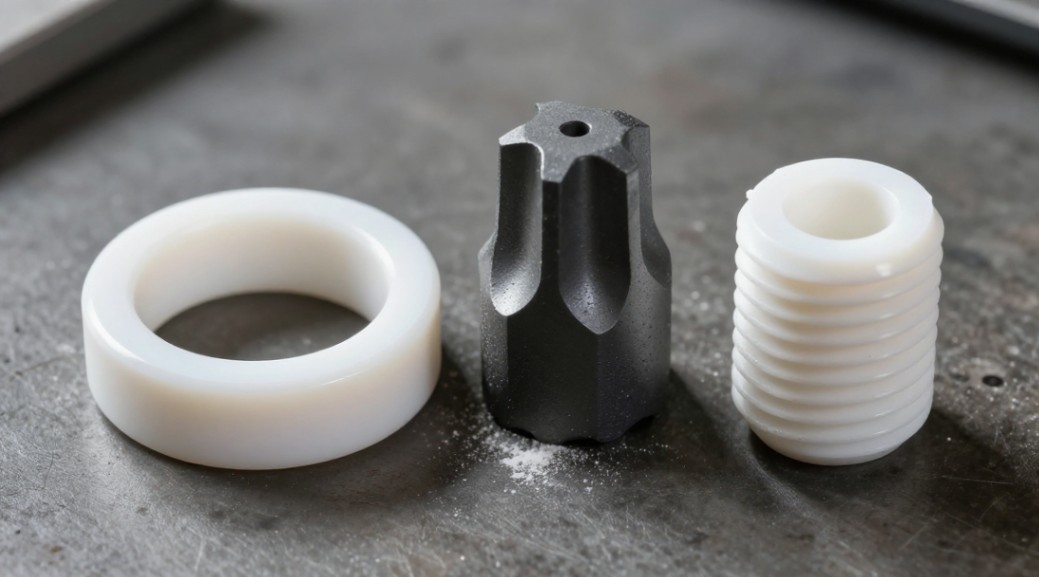
Overview of Boron Nitride Composite Ceramic Structure
Boron Nitride (BN) exists in multiple polymorphs, with Hexagonal Boron Nitride (h-BN) being the most common ceramic form. Often called “white graphite” due to its similar layered, lubricious structure, it is distinguished by its exceptional thermal stability, electrical insulation, and chemical inertness, even at extreme temperatures.
Features of Boron Nitride Composite Ceramic Structure
- High Thermal Conductivity & Excellent Electrical Insulation: Unique combination that allows it to conduct heat like a metal but insulate like a ceramic.
- Outstanding Thermal Shock Resistance: Can be heated and cooled rapidly without cracking.
- Natural Lubricity: Exhibits low friction and anti-stick properties, even at high temperatures.
- Chemically Inert: Resists wetting by and reaction with most molten metals, slags, and glasses.
- Machinable: Unlike most advanced ceramics, h-BN in its solid form can be machined to precision tolerances using conventional carbide tooling.
Specifications of Boron Nitride Composite Ceramic Structure
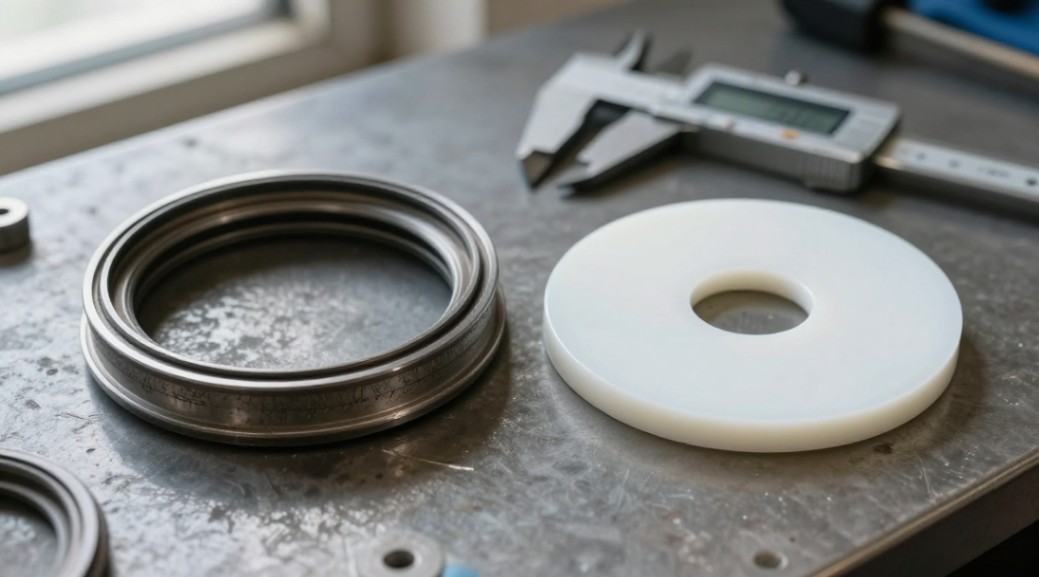
Specifications of Boron Nitride Composite Ceramic Structure
Material Composition
Boron nitride composite ceramic combines hexagonal boron nitride (h-BN) with other high-performance ceramic materials. This mix gives the structure excellent thermal stability and electrical insulation. The base material is over 90% pure boron nitride. Additives like alumina or silicon nitride may be included to improve mechanical strength.
Physical Properties
The density of this composite ranges from 1.8 to 2.1 g/cm³. It stays stable at temperatures up to 1,000°C in air and even higher in inert atmospheres. Its low thermal expansion helps it resist cracking under rapid temperature changes. The material feels smooth to the touch and has a white to light gray color.
Thermal Performance
This ceramic conducts heat well along certain planes but blocks electricity completely. Its in-plane thermal conductivity can reach 30–60 W/m·K, while through-plane values stay lower. These traits make it ideal for heat spreaders and insulating layers in electronics.
Mechanical Strength
Though not as hard as some engineering ceramics, the composite offers good machinability. It can be shaped into complex parts without chipping easily. Flexural strength typically falls between 80 and 150 MPa. Hardness measures around 2–3 on the Mohs scale, which allows for easy post-processing.
Chemical Resistance
Boron nitride composite ceramic resists attack from most acids, alkalis, and molten metals. It does not react with aluminum, zinc, or many other common metals even at high temperatures. This makes it useful in metal casting and semiconductor manufacturing.
Electrical Characteristics
The material acts as a strong electrical insulator. Its dielectric strength exceeds 15 kV/mm. Volume resistivity stays above 10¹⁴ Ω·cm even when hot. These features ensure safe, reliable performance in high-voltage applications.
Applications of Boron Nitride Composite Ceramic Structure
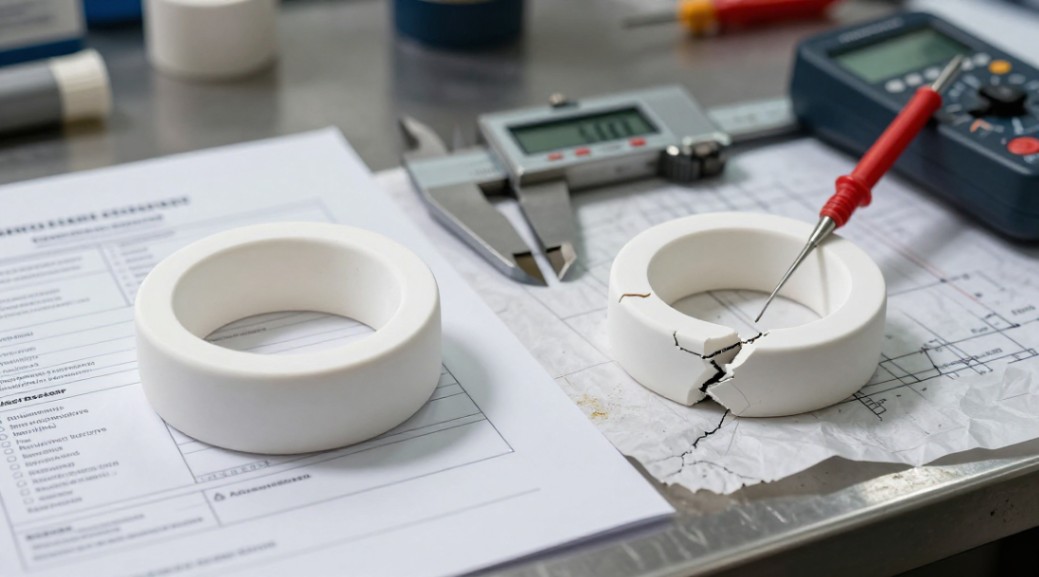
Applications of Boron Nitride Composite Ceramic Structure
High-Temperature Performance in Demanding Environments
Boron nitride composite ceramics handle extreme heat without breaking down. They stay stable even above 1,000°C. This makes them ideal for furnace linings, crucibles, and components used in metal casting. Their thermal shock resistance prevents cracking when temperatures change quickly.
Electrical Insulation with Thermal Conductivity
These materials block electricity but move heat well. That combination is rare. Engineers use them in electronics where parts must stay cool yet remain electrically isolated. Examples include insulating substrates for power modules and heat spreaders in high-frequency devices.
Non-Wetting Surfaces for Molten Metals
Molten aluminum, copper, and other metals do not stick to boron nitride composites. This property helps in continuous casting processes and handling liquid metals. Tools coated or made from this ceramic last longer and need less cleaning.
Wear Resistance in Mechanical Systems
The structure offers strong resistance to abrasion and friction. It works well in seals, bearings, and nozzles exposed to harsh conditions. Even under heavy loads or in corrosive settings, performance stays consistent over time.
Use in Aerospace and Defense
Lightweight yet tough, boron nitride composites serve in aerospace parts like radomes and thermal protection systems. They survive re-entry heat and resist damage from high-speed particles. Their stability supports reliable operation in critical missions.
Compatibility with Semiconductor Manufacturing
Cleanliness matters in chip production. These ceramics release almost no contaminants. They are used in wafer handling tools, chamber liners, and plasma etch components. Their purity helps maintain yield and process control.

Company Profile
Synthetic-chemical focus on the research and development, production and sales of ceramic products, serving the electronics, ceramics, chemical and other industries. Since its establishment in 2015, the company has been committed to providing customers with the best products and services, and has become a leader in the industry through continuous technological innovation and strict quality management.
Our products includes but not limited to Aluminum Nitride, Aluminum Oxide, Boron Carbide, Boron Nitride, Ceramic Crucible, ect. If you are interested in any type of these, please feel free to contact us.

Payment Methods
T/T, Western Union, Paypal, Credit Card etc.
Shipment Methods
By air, by sea, by express, as customers request.
5 FAQs of Boron Nitride Composite Ceramic Structure
Frequently Asked Questions About Boron Nitride Composite Ceramic Structures
What is a boron nitride composite ceramic structure?
It is a high-performance material made by combining boron nitride with other ceramics. This mix gives the final product excellent heat resistance, electrical insulation, and mechanical strength. It keeps its shape and function even under extreme conditions.
Why choose boron nitride composites over regular ceramics?
Regular ceramics can crack under sudden temperature changes or high stress. Boron nitride composites handle thermal shock much better. They also do not conduct electricity, which makes them safer and more reliable in sensitive applications like electronics or aerospace parts.
Where are these materials commonly used?
You’ll find them in semiconductor manufacturing equipment, high-temperature furnaces, and insulating components for power systems. They are also used in aerospace and defense because they stay stable at very high temperatures and resist wear over time.
Are boron nitride composites hard to machine or shape?
They can be shaped using standard ceramic machining methods, but care is needed. Because they are strong yet brittle, precision tools and slow cutting speeds work best. Many suppliers offer custom shapes to reduce the need for on-site machining.
How long do these structures last in harsh environments?
They last much longer than many traditional materials. Their resistance to heat, corrosion, and electrical breakdown means they maintain performance for years, even in demanding industrial settings. Proper installation and handling further extend their service life.
REQUEST A QUOTE
RELATED PRODUCTS
Boron Nitride Silicon Nitride Ceramic Ring for Horizontal Continual Casting
Wear Resistant Boron Nitride Ceramic Plate for Durability
High Temperature Insulating Boron Nitride Ceramics
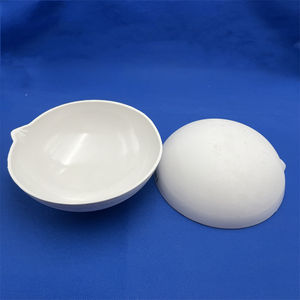
High Purity Boron Nitride Ceramic Sintering Component
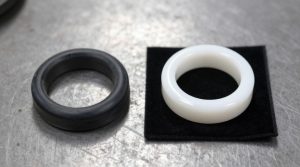
Hot Pressing Boron Nitride Ceramic Insulation Protection Special Shaped