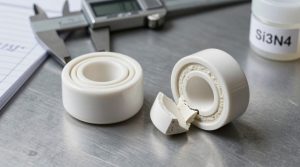
Next-Generation Ceramics: Unlocking Superior Properties for Industry

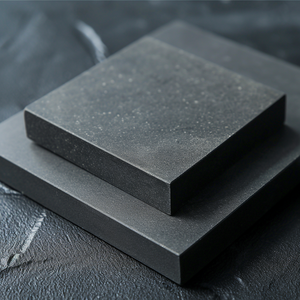
PRODUCT PARAMETERS
Description
Overview of Alumina Silicon Carbide Boron Carbide Ceramic Support
Silicon Carbide (SiC) is a super-hard, synthetic ceramic material known for its outstanding thermal conductivity, exceptional wear resistance, and ability to maintain high strength at extreme temperatures. It excels in demanding mechanical, thermal, and corrosive environments where other materials fail.
Features of Alumina Silicon Carbide Boron Carbide Ceramic Support
- Exceptional Wear & Abrasion Resistance: Extremely hard and durable, ideal for severe wear applications.
- High Thermal Conductivity: Excellent heat dissipation, superior to most metals at high temperatures.
- Superior Chemical Resistance: Resists attack by acids, alkalis, and molten metals.
- High-Temperature Strength: Maintains mechanical strength up to 1650°C.
- Excellent Thermal Shock Resistance: Withstands rapid temperature changes far better than Alumina.
- Semiconducting Properties: Can be engineered as an electrical conductor or insulator.
Specification of Alumina Silicon Carbide Boron Carbide Ceramic Support
Alumina Silicon Carbide Boron Carbide Ceramic Support – Product Specification
Material Composition
This ceramic support combines three high-performance materials: alumina (Al₂O₃), silicon carbide (SiC), and boron carbide (B₄C). Each component brings unique strengths. Alumina offers excellent electrical insulation and strong mechanical stability. Silicon carbide adds high thermal conductivity and resistance to wear. Boron carbide delivers extreme hardness and outstanding resistance to abrasion and impact.
Key Properties
The final product shows high hardness, low thermal expansion, and excellent chemical inertness. It maintains structural integrity even at temperatures above 1,500°C. Its dense microstructure prevents fluid or gas penetration, making it ideal for harsh environments. The support resists corrosion from acids, alkalis, and molten metals. It also performs well under repeated thermal cycling without cracking.
Physical Characteristics
Typical density ranges from 3.1 to 3.4 g/cm³, depending on the exact mix ratio. Flexural strength exceeds 350 MPa, while compressive strength stays above 2,000 MPa. The Vickers hardness is usually between 2,200 and 2,800 HV. These values ensure long service life under heavy mechanical loads.
Common Applications
This ceramic support works well in demanding industrial settings. It is used in semiconductor manufacturing, aerospace components, nuclear shielding, and high-temperature furnace fixtures. Engineers choose it when standard ceramics fail due to heat, wear, or chemical exposure. Its stability makes it suitable for precision parts that must hold tight tolerances over time.
Customization Options
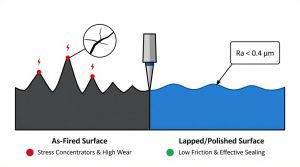
We offer this support in various shapes and sizes. Standard forms include rods, plates, rings, and custom-machined geometries. Tolerances can be held to ±0.05 mm with fine surface finishes down to Ra 0.2 µm. Customers may request specific ratios of alumina, silicon carbide, and boron carbide to match their operational needs.
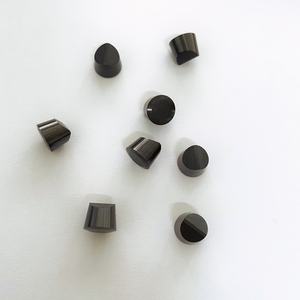
Applications of Alumina Silicon Carbide Boron Carbide Ceramic Support
Applications of Alumina Silicon Carbide Boron Carbide Ceramic Support
High-Performance Industrial Use
This ceramic support combines alumina, silicon carbide, and boron carbide to deliver exceptional strength and heat resistance. It works well in harsh industrial environments where standard materials fail. Factories use it in high-temperature furnaces, kilns, and sintering equipment. The material keeps its shape and function even under extreme thermal stress.
Aerospace and Defense Systems
Demanding aerospace applications rely on this ceramic support for its lightweight nature and ability to withstand rapid temperature changes. It is found in jet engines, missile components, and thermal protection systems. Its hardness and wear resistance also make it suitable for armor plating and ballistic protection.
Semiconductor Manufacturing
In cleanroom settings, purity and stability matter. This ceramic support meets those needs. It resists chemical corrosion from aggressive etching gases and cleaning agents used during chip production. Equipment like wafer handling arms and chamber linings often include this material to prevent contamination and ensure consistent performance.
Energy and Power Generation
Power plants need parts that last long under tough conditions. This ceramic support fits the role in gas turbines, nuclear reactors, and solar thermal systems. It handles high heat without degrading. Its electrical insulation properties also help in managing heat while keeping systems safe.
Medical and Scientific Instruments
Precision tools in labs and hospitals benefit from the ceramic’s biocompatibility and dimensional stability. It appears in imaging devices, surgical tools, and analytical equipment. The material does not interfere with sensitive measurements and stays clean under repeated sterilization.
Each application takes advantage of the unique mix of hardness, thermal stability, and chemical inertness. Engineers choose this ceramic support when reliability cannot be compromised.

Company Profile
Synthetic-chemical focus on the research and development, production and sales of ceramic products, serving the electronics, ceramics, chemical and other industries. Since its establishment in 2015, the company has been committed to providing customers with the best products and services, and has become a leader in the industry through continuous technological innovation and strict quality management.
Our products includes but not limited to Aluminum Nitride, Aluminum Oxide, Boron Carbide, Boron Nitride, Ceramic Crucible, ect. If you are interested in any type of these, please feel free to contact us.

Payment Methods
T/T, Western Union, Paypal, Credit Card etc.
Shipment Methods
By air, by sea, by express, as customers request.
5 FAQs of Alumina Silicon Carbide Boron Carbide Ceramic Support
Frequently Asked Questions About Alumina Silicon Carbide Boron Carbide Ceramic Support
What is this ceramic support made of?
This support combines three advanced ceramics: alumina, silicon carbide, and boron carbide. Each material brings special strengths. Alumina offers good electrical insulation and heat resistance. Silicon carbide adds high thermal conductivity and mechanical strength. Boron carbide provides extreme hardness and wear resistance. Together, they create a durable, high-performance composite.
Where is this support used?
It is used in demanding industrial environments. Common applications include semiconductor manufacturing equipment, aerospace components, and high-temperature furnaces. It also works well in armor systems and abrasive handling tools. Any place that needs strong, heat-resistant, and stable parts can benefit from this material.
Why choose this over metal or standard ceramics?
Metals may deform or corrode under high heat or harsh chemicals. Standard ceramics often lack toughness or thermal shock resistance. This composite keeps its shape and strength at very high temperatures. It resists wear, corrosion, and thermal shock better than most alternatives. That means longer service life and less downtime.
Can it handle rapid temperature changes?
Yes. The mix of silicon carbide and boron carbide gives it excellent thermal shock resistance. It can go from cold to hot quickly without cracking. This makes it reliable in processes with frequent heating and cooling cycles.
Is it expensive?
The raw materials and manufacturing process cost more than basic ceramics. But its performance reduces replacement frequency and maintenance costs. In tough applications, it often saves money over time by lasting longer and performing better.
REQUEST A QUOTE
RELATED PRODUCTS
Silicon Carbide Ceramic Protection Tube for Thermocouple
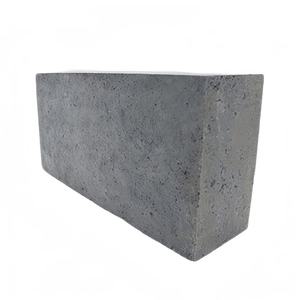
Silicon Carbide Ceramic Honeycomb Catalyst Carrier for Exhaust Systems
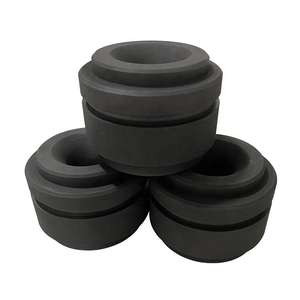
Silicon Carbide Ceramic Bushing Mechanical Seal
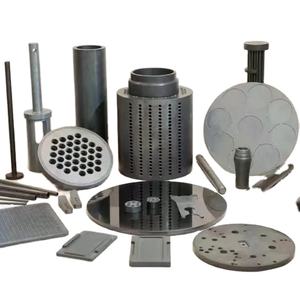
Long Fiber Silicon Carbide Coated Carbon Ceramic Disc for Automotive
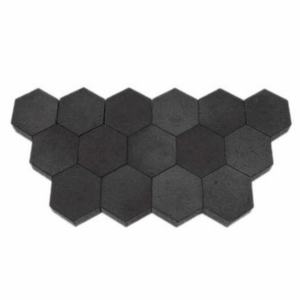
Refractory Silicon Carbide Ceramic Plate and Sheet for High Temperature Use