Next-Generation Ceramics: Unlocking Superior Properties for Industry

PRODUCT PARAMETERS
Description
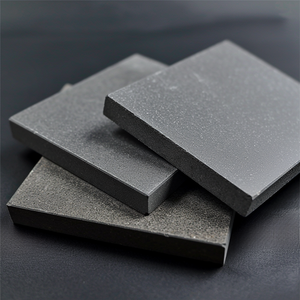
Overview of Silicon Carbide Porous Ceramic Plate for Semiconductor
Silicon Carbide (SiC) is a super-hard, synthetic ceramic material known for its outstanding thermal conductivity, exceptional wear resistance, and ability to maintain high strength at extreme temperatures. It excels in demanding mechanical, thermal, and corrosive environments where other materials fail.
Features of Silicon Carbide Porous Ceramic Plate for Semiconductor
- Exceptional Wear & Abrasion Resistance: Extremely hard and durable, ideal for severe wear applications.
- High Thermal Conductivity: Excellent heat dissipation, superior to most metals at high temperatures.
- Superior Chemical Resistance: Resists attack by acids, alkalis, and molten metals.
- High-Temperature Strength: Maintains mechanical strength up to 1650°C.
- Excellent Thermal Shock Resistance: Withstands rapid temperature changes far better than Alumina.
- Semiconducting Properties: Can be engineered as an electrical conductor or insulator.
Specification of Silicon Carbide Porous Ceramic Plate for Semiconductor
Specification of Silicon Carbide Porous Ceramic Plate for Semiconductor
Material and Structure
The plate is made from high-purity silicon carbide (SiC). It has a uniform porous structure. Pore size ranges from 0.1 to 10 micrometers. The open porosity level stays between 25% and 45%. This design ensures steady gas or liquid flow while keeping particles out.
Thermal and Mechanical Performance
Silicon carbide gives the plate strong heat resistance. It works well at temperatures up to 1,400°C in air and even higher in inert atmospheres. Thermal shock does not easily damage it. The material also shows high hardness and good wear resistance. Its flexural strength is typically above 200 MPa. These traits make it reliable under heavy mechanical stress during semiconductor processing.
Chemical Stability
The plate resists corrosion from most acids, alkalis, and solvents used in wafer fabrication. It stays stable in aggressive chemical environments like wet etching or cleaning steps. No harmful ions leach out, so wafer purity remains protected.
Electrical Properties
Silicon carbide is naturally conductive. The plate’s electrical resistivity can be adjusted based on sintering methods. This allows control over electrostatic chuck performance or plasma grounding in chamber setups.
Surface Finish and Dimensional Accuracy
Both sides of the plate are ground to a mirror-like finish. Surface roughness is below Ra 0.2 µm. Thickness tolerance is held within ±0.05 mm. Custom shapes and hole patterns are available to match specific tool designs.
Cleanliness and Packaging
Each plate goes through ultrasonic cleaning in a Class 100 cleanroom. It is then sealed in static-dissipative film inside a nitrogen-flushed container. This prevents contamination before installation in semiconductor equipment.
Applications of Silicon Carbide Porous Ceramic Plate for Semiconductor
Applications of Silicon Carbide Porous Ceramic Plate in Semiconductor Manufacturing
Precise Filtration for Clean Processes
Silicon carbide porous ceramic plates play a key role in semiconductor production. These plates filter liquids and gases with high efficiency. They remove tiny particles that could damage sensitive components. Their uniform pore structure ensures consistent flow and reliable performance. This helps maintain the ultra-clean conditions needed in chip fabrication.
Strong Performance Under Harsh Conditions
Semiconductor processes often involve aggressive chemicals and high temperatures. Standard materials may degrade quickly under such stress. Silicon carbide stands out because it resists corrosion and thermal shock. It keeps its shape and function even after long exposure to acids, bases, or plasma. This durability reduces downtime and replacement costs.
Stable Support for Wafer Handling
During manufacturing, wafers must stay flat and secure. Porous ceramic plates provide gentle yet firm support through vacuum or gas pressure. Their surface is smooth and non-contaminating. This prevents scratches or defects on delicate silicon wafers. The material also minimizes static buildup, which can harm electronic circuits.
Efficient Heat Management
Heat control is critical in many semiconductor steps. Silicon carbide has excellent thermal conductivity. It spreads heat evenly across the plate surface. This avoids hot spots that might warp wafers or affect process accuracy. At the same time, the material stays stable during rapid temperature changes.
Long-Term Reliability
Factories need parts that last. Silicon carbide porous ceramic plates offer long service life with minimal maintenance. Their rigid structure resists wear from repeated use. This makes them a smart choice for high-volume production lines where consistency matters most.

Company Profile
Synthetic-chemical focus on the research and development, production and sales of ceramic products, serving the electronics, ceramics, chemical and other industries. Since its establishment in 2015, the company has been committed to providing customers with the best products and services, and has become a leader in the industry through continuous technological innovation and strict quality management.
Our products includes but not limited to Aluminum Nitride, Aluminum Oxide, Boron Carbide, Boron Nitride, Ceramic Crucible, ect. If you are interested in any type of these, please feel free to contact us.

Payment Methods
T/T, Western Union, Paypal, Credit Card etc.
Shipment Methods
By air, by sea, by express, as customers request.
5 FAQs of Silicon Carbide Porous Ceramic Plate for Semiconductor
Frequently Asked Questions: Silicon Carbide Porous Ceramic Plate for Semiconductor Applications
What is a silicon carbide porous ceramic plate?
This plate is made from high-purity silicon carbide. It has many tiny connected holes inside, which let gas or liquid pass through evenly. The material is strong, handles high heat well, and resists chemicals. These features make it ideal for use in semiconductor manufacturing.
Why choose silicon carbide over other ceramics?
Silicon carbide offers better thermal conductivity than most ceramics. It stays stable at very high temperatures. It also resists wear and corrosion from aggressive process gases. These qualities help maintain consistent performance during long production runs in cleanroom environments.
How does porosity affect performance?
Porosity controls how fluids flow through the plate. A uniform pore structure ensures even distribution of gases or coolants across the wafer surface. This helps improve process uniformity and reduces defects during etching or deposition steps.
Can these plates handle harsh cleaning processes?
Yes. Silicon carbide is highly resistant to acids, bases, and plasma cleaning. It does not degrade easily during repeated cleaning cycles. This durability extends the part’s service life and lowers replacement costs.
Are custom sizes or pore sizes available?
Manufacturers often offer customization. You can request specific diameters, thicknesses, and pore sizes based on your tool design or process needs. Working with the supplier early ensures the plate fits your system and meets performance targets.
REQUEST A QUOTE
RELATED PRODUCTS
Clay Bonded Silicon Carbide Ceramic Tube for Industry
High Temperature Resistance Silicon Carbide Ceramic Pipe Tube
Factory Supply Ceramic Bonded Silicon Carbide Grinding Wheel
Customized Silicon Carbide Ceramic Dish and Bowl
Fish Shaped Silicon Carbide Ceramic Plate for Kiln Applications