Next-Generation Ceramics: Unlocking Superior Properties for Industry

PRODUCT PARAMETERS
Description
Overview of Silicon Carbide Ceramic Kiln Plates for Porcelain Firing
Silicon Carbide (SiC) is a super-hard, synthetic ceramic material known for its outstanding thermal conductivity, exceptional wear resistance, and ability to maintain high strength at extreme temperatures. It excels in demanding mechanical, thermal, and corrosive environments where other materials fail.
Features of Silicon Carbide Ceramic Kiln Plates for Porcelain Firing
- Exceptional Wear & Abrasion Resistance: Extremely hard and durable, ideal for severe wear applications.
- High Thermal Conductivity: Excellent heat dissipation, superior to most metals at high temperatures.
- Superior Chemical Resistance: Resists attack by acids, alkalis, and molten metals.
- High-Temperature Strength: Maintains mechanical strength up to 1650°C.
- Excellent Thermal Shock Resistance: Withstands rapid temperature changes far better than Alumina.
- Semiconducting Properties: Can be engineered as an electrical conductor or insulator.
Specification of Silicon Carbide Ceramic Kiln Plates for Porcelain Firing
Specification of Silicon Carbide Ceramic Kiln Plates for Porcelain Firing
Material and Composition
These kiln plates are made from high-purity silicon carbide (SiC). The material offers excellent thermal conductivity and strong resistance to thermal shock. Each plate contains over 95% silicon carbide, with minimal impurities that could affect porcelain quality during firing.
Dimensions and Tolerance
Standard plate sizes include 300×300 mm, 400×400 mm, and 600×600 mm. Thickness options range from 10 mm to 25 mm. All plates are manufactured to tight dimensional tolerances: ±1 mm on length and width, and ±0.5 mm on thickness. This ensures a flat, stable surface for consistent porcelain placement.
Temperature Performance
Silicon carbide kiln plates withstand continuous use up to 1450°C (2642°F). They maintain structural integrity even under rapid heating or cooling cycles common in porcelain production. Their low thermal expansion prevents warping or cracking during repeated firings.
Surface Finish
Each plate features a smooth, machined surface to minimize contact marks on delicate porcelain ware. The finish also reduces sticking and makes post-firing cleanup easier. Edges are beveled slightly to prevent chipping during handling.
Durability and Lifespan
Thanks to the hardness and chemical stability of silicon carbide, these plates resist wear, corrosion, and glaze drips. With proper use, a single plate can last through hundreds of firing cycles without significant degradation. This lowers long-term costs and reduces downtime in production.
Handling and Storage
Always handle plates with clean, dry gloves to avoid oil or moisture transfer. Store them flat in a dry area, away from sudden temperature changes. Avoid stacking heavy items on top to prevent stress fractures. Regular inspection for surface cracks or warping helps maintain firing consistency.
Applications of Silicon Carbide Ceramic Kiln Plates for Porcelain Firing
Applications of Silicon Carbide Ceramic Kiln Plates for Porcelain Firing
High Performance in High-Temperature Environments
Silicon carbide ceramic kiln plates are widely used in porcelain firing. They handle high temperatures very well. Most porcelain needs to be fired above 1200°C. These plates stay strong and stable even at such heat levels. They do not warp or crack easily. This helps keep the shape and quality of the porcelain pieces.
Excellent Thermal Conductivity
These kiln plates spread heat quickly and evenly. That means every part of the porcelain gets the same amount of heat. Uneven heating can cause defects like warping or glaze flaws. With silicon carbide plates, such problems happen less often. The result is more consistent, high-quality porcelain.
Long Service Life and Cost Efficiency
Silicon carbide is very hard and resists wear. It also stands up well against thermal shock. That means the plates last much longer than traditional kiln furniture. Users replace them less often. Over time, this saves money on materials and downtime. Fewer replacements also mean less waste.
Clean and Stable Surface
The surface of these plates stays smooth after many firings. It does not flake or shed particles. This keeps the porcelain clean during firing. There is no risk of unwanted material sticking to the pieces. Clean surfaces help achieve better finishes and reduce post-firing cleaning work.
Support for Complex Porcelain Designs
Modern porcelain often includes thin walls or detailed shapes. These need steady, flat support during firing. Silicon carbide plates offer that support without sagging. They hold delicate items safely through the whole firing cycle. This makes them ideal for both industrial production and studio pottery.

Company Profile
Synthetic-chemical focus on the research and development, production and sales of ceramic products, serving the electronics, ceramics, chemical and other industries. Since its establishment in 2015, the company has been committed to providing customers with the best products and services, and has become a leader in the industry through continuous technological innovation and strict quality management.
Our products includes but not limited to Aluminum Nitride, Aluminum Oxide, Boron Carbide, Boron Nitride, Ceramic Crucible, ect. If you are interested in any type of these, please feel free to contact us.

Payment Methods
T/T, Western Union, Paypal, Credit Card etc.
Shipment Methods
By air, by sea, by express, as customers request.
5 FAQs of Silicon Carbide Ceramic Kiln Plates for Porcelain Firing
Frequently Asked Questions About Silicon Carbide Ceramic Kiln Plates
Why use silicon carbide kiln plates for porcelain?
Silicon carbide kiln plates handle high heat very well. Porcelain needs to fire at high temperatures, often over 1200°C. These plates stay strong and flat even after many firings. They also spread heat evenly, which helps your porcelain fire without warping or cracking.
Do these plates last longer than regular kiln shelves?
Yes. Standard kiln shelves wear out faster. Silicon carbide is much harder and more durable. It resists thermal shock better, so it won’t crack easily when the kiln heats up or cools down quickly. With proper care, one plate can last for hundreds of firings.
Can I place porcelain directly on the plate?
You should not put wet or raw glaze straight onto the plate. Always use kiln wash or thinfire paper as a barrier. Glaze can stick to the surface if it melts during firing. A protective layer keeps your work safe and makes cleanup easier.
How do I clean and maintain the plates?
After each firing, let the plate cool fully. Brush off any loose debris with a soft brush. If glaze drips stick to the surface, gently scrape them off with a metal tool. Avoid soaking the plate in water—it can weaken the material over time. Store plates flat in a dry place.
Are silicon carbide plates worth the higher cost?
They cost more upfront, but they save money in the long run. You replace them less often. Their stable surface reduces firing defects, which means fewer ruined pieces. For serious potters or studios firing regularly, the investment pays off fast.
REQUEST A QUOTE
RELATED PRODUCTS
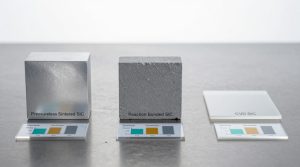
Hot Silicon Nitride Ceramic Grinding Balls Black Silicon
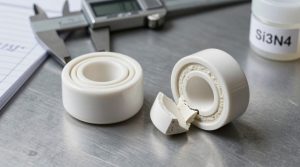
Manufacture Silicon Carbide Ceramic Sheet Customizable Size
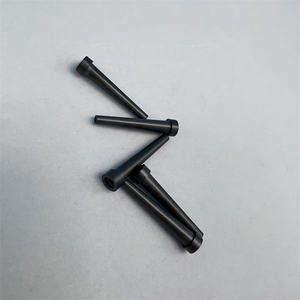
Pressureless Sintering Silicon Carbide Ceramic Tube for Industry
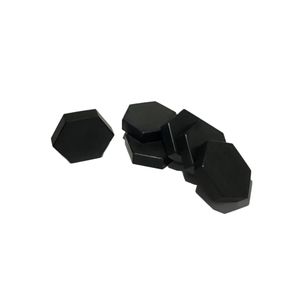
High Impact Resistance Silicon Carbide Ceramic Rectangle Block for
Boron Sand Blasting Nozzle Silicon Carbide Ceramic