Next-Generation Ceramics: Unlocking Superior Properties for Industry

PRODUCT PARAMETERS
Description
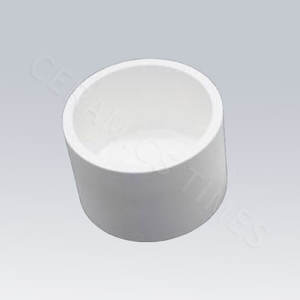
Overview of High Purity Alumina Ceramic Crucible for Teaching and Electronics Experiments
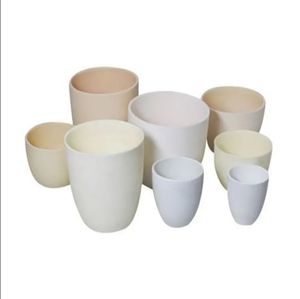
A Ceramic Crucible is a vessel designed to withstand extreme temperatures for melting, calcining, or reacting chemical substances. Advanced ceramic crucibles are engineered from high-purity materials like Alumina, Zirconia, Boron Nitride, or Magnesia, chosen for their ability to contain specific molten materials without contamination or failure.
Features of High Purity Alumina Ceramic Crucible for Teaching and Electronics Experiments
- Extreme Temperature Resistance: Can operate continuously from 1000°C to over 1800°C, depending on the material.
- High Purity & Chemical Inertness: Minimizes reaction with and contamination of the melt (metal, glass, salt, ash).
- Excellent Thermal Shock Resistance: (Grade-dependent) Can withstand rapid heating and cooling cycles.
- Variety of Compositions & Designs: Tailored for specific applications (e.g., BN for reactive metals, ZrO₂ for precious metals, MgO for basic slags).
- Durable & Reusable: High-quality crucibles can survive multiple cycles, providing long service life.
Specifications of High Purity Alumina Ceramic Crucible for Teaching and Electronics Experiments
High Purity Alumina Ceramic Crucible – Specifications
Material and Purity
This crucible is made from 99.7% pure alumina (Al₂O₃). The high purity ensures minimal contamination during heating or melting processes. It contains almost no impurities that could affect sensitive experiments in teaching labs or electronics research.
Temperature Resistance
The crucible can handle continuous use at temperatures up to 1650°C (3002°F). It remains stable even under rapid temperature changes. This makes it safe for repeated heating and cooling cycles common in classroom demonstrations and electronic material testing.
Physical Properties
It has a smooth, dense surface that resists chemical attack from most acids, alkalis, and molten metals. The walls are uniform in thickness to promote even heat distribution. Each crucible is precision-formed to standard lab sizes, with common capacities of 10 mL, 30 mL, and 50 mL.
Design and Dimensions
The shape is cylindrical with a straight rim for easy handling and pouring. Standard outer diameters range from 25 mm to 50 mm, with heights between 20 mm and 40 mm, depending on volume. All edges are finely finished to prevent chipping during routine use.
Applications
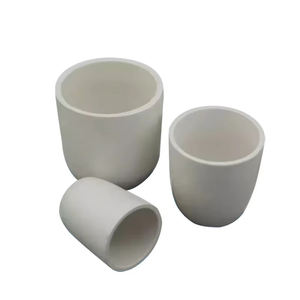
This crucible is ideal for educational labs, where students learn basic high-temperature techniques. It is also used in electronics development for sintering ceramic substrates, testing semiconductor materials, or holding small samples during thermal analysis. Its inert nature ensures reliable results without interference from the container itself.
Care and Handling
Always preheat the crucible slowly before reaching high temperatures. Avoid sudden impacts or contact with sharp tools. Clean with distilled water and mild detergents only—never use abrasive scrubbers. Store in a dry place to maintain performance over time.
Applications of High Purity Alumina Ceramic Crucible for Teaching and Electronics Experiments
High Purity Alumina Ceramic Crucible: Essential for Teaching and Electronics Labs
Why Choose This Crucible?
The high purity alumina ceramic crucible is made from 99.5% pure aluminum oxide. This material gives the crucible strong heat resistance and excellent chemical stability. It can handle temperatures up to 1700°C without cracking or deforming. These features make it ideal for classroom demonstrations and electronics experiments.
Perfect for Teaching Environments
In school labs, safety and reliability matter most. This crucible does not react with most acids, bases, or molten metals. Teachers can use it to show students how materials behave under extreme heat. It also works well for melting small samples or holding substances during thermal tests. Its smooth surface makes cleaning easy after each use.
Supports Electronics Research
Electronics experiments often need precise, contamination-free conditions. Even tiny impurities can ruin results. Because this crucible has very low levels of sodium, iron, and silica, it keeps samples pure during heating or sintering. Researchers use it to prepare thin films, grow crystals, or test semiconductor materials. Its consistent performance helps ensure accurate data.
Durable and Reusable
Unlike glass or metal containers, this crucible resists thermal shock. You can heat it quickly or cool it down without damage. It maintains its shape and integrity over many uses. That means fewer replacements and lower costs for schools and labs.
Key Benefits:
– Handles extreme heat safely
– Resists chemical corrosion
– Keeps samples free from contamination
– Easy to clean and reuse
– Trusted in both education and research settings
This crucible gives students and scientists a dependable tool for hands-on learning and precise experimentation.

Company Profile
Synthetic-chemical focus on the research and development, production and sales of ceramic products, serving the electronics, ceramics, chemical and other industries. Since its establishment in 2015, the company has been committed to providing customers with the best products and services, and has become a leader in the industry through continuous technological innovation and strict quality management.
Our products includes but not limited to Aluminum Nitride, Aluminum Oxide, Boron Carbide, Boron Nitride, Ceramic Crucible, ect. If you are interested in any type of these, please feel free to contact us.

Payment Methods
T/T, Western Union, Paypal, Credit Card etc.
Shipment Methods
By air, by sea, by express, as customers request.
5 FAQs of High Purity Alumina Ceramic Crucible for Teaching and Electronics Experiments
Frequently Asked Questions: High Purity Alumina Ceramic Crucible
What is this crucible made of?
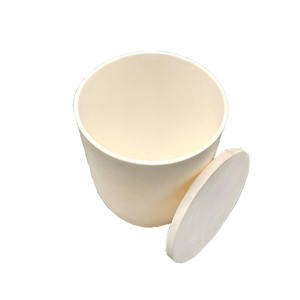
This crucible is made from high purity alumina ceramic. The material contains over 99% aluminum oxide. It offers strong resistance to heat and chemicals. That makes it safe for many lab uses.
Why choose high purity alumina over other materials?
High purity alumina does not react easily with most substances. It stays stable even at very high temperatures—up to 1700°C. Other ceramics may crack or release impurities. This crucible keeps your samples clean and accurate.
Is it suitable for teaching labs?
Yes. It works well in school and college labs. Students can use it for melting, heating, or ashing small samples. Its durability helps reduce breakage during learning activities. Teachers find it reliable for repeated classroom demonstrations.
Can I use it in electronics experiments?
Absolutely. This crucible is ideal for preparing or testing electronic materials like oxides or thin films. Since it does not contaminate samples, it supports precise results in semiconductor or sensor research. Many electronics labs trust it for clean processing.
How should I handle and clean the crucible?
Always let the crucible cool down before handling. Use tongs to avoid thermal shock. For cleaning, rinse with distilled water and dry thoroughly. Do not use metal brushes—they can scratch the surface. If residue remains, heat gently in a furnace to burn it off. Store in a dry place to prevent moisture absorption.
REQUEST A QUOTE
RELATED PRODUCTS
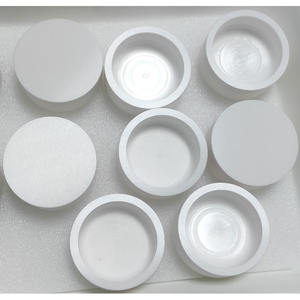
High Temperature Alumina Ceramic Crucible For Industrial Metal Melting
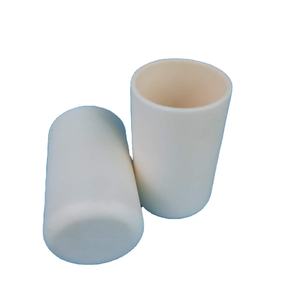
Industrial Grade Large Capacity Ceramic Crucible for Silver Aluminum
High Temperature Alumina Ceramic Sagger Corundum Crucible
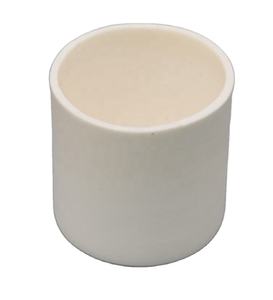
Ceramic Crucible for HORIBA Carbon Sulfur Analyzer

High Temperature Resistant Industrial Alumina Ceramic Crucible For Gold