Next-Generation Ceramics: Unlocking Superior Properties for Industry

PRODUCT PARAMETERS
Description
Overview of Aluminum Nitride Ceramic Crucible and Structural Components for High Temperature
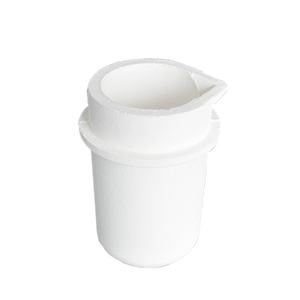
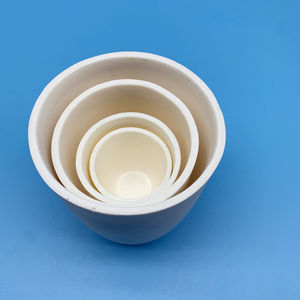
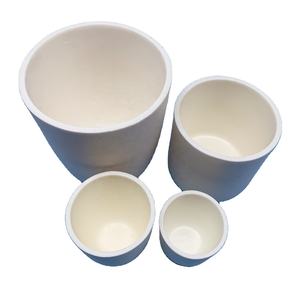
A Ceramic Crucible is a vessel designed to withstand extreme temperatures for melting, calcining, or reacting chemical substances. Advanced ceramic crucibles are engineered from high-purity materials like Alumina, Zirconia, Boron Nitride, or Magnesia, chosen for their ability to contain specific molten materials without contamination or failure.
Features of Aluminum Nitride Ceramic Crucible and Structural Components for High Temperature
- Extreme Temperature Resistance: Can operate continuously from 1000°C to over 1800°C, depending on the material.
- High Purity & Chemical Inertness: Minimizes reaction with and contamination of the melt (metal, glass, salt, ash).
- Excellent Thermal Shock Resistance: (Grade-dependent) Can withstand rapid heating and cooling cycles.
- Variety of Compositions & Designs: Tailored for specific applications (e.g., BN for reactive metals, ZrO₂ for precious metals, MgO for basic slags).
- Durable & Reusable: High-quality crucibles can survive multiple cycles, providing long service life.
Specifications of Aluminum Nitride Ceramic Crucible and Structural Components for High Temperature
Aluminum Nitride Ceramic Crucible and Structural Components for High-Temperature Applications
Material Composition and Purity
These components are made from high-purity aluminum nitride (AlN) ceramic. The AlN content is typically over 99%. This ensures excellent thermal conductivity and strong resistance to thermal shock. Trace impurities like oxygen or metals are kept to a minimum to maintain performance in demanding environments.
Thermal Properties
Aluminum nitride ceramics handle extreme heat very well. They operate continuously at temperatures up to 1,600°C in inert atmospheres. Their thermal conductivity ranges from 140 to 180 W/m·K—much higher than many other technical ceramics. This allows fast, even heat distribution and reduces hot spots during high-temperature processing.
Mechanical Strength
These parts stay strong even when hot. At room temperature, flexural strength is about 300–400 MPa. It remains stable up to 1,000°C, which makes them reliable for structural use in furnaces, semiconductor equipment, and molten metal handling systems.
Chemical Resistance
Aluminum nitride resists attack from many molten metals, including aluminum, gallium, and bismuth. It also shows good stability against nitrogen and inert gases. However, it reacts with water vapor and oxygen at high temperatures, so use in dry or controlled atmospheres is recommended.
Electrical Insulation
Despite its high thermal conductivity, aluminum nitride is an excellent electrical insulator. Its volume resistivity exceeds 1014 Ω·cm at room temperature. This makes it ideal for applications requiring both heat management and electrical isolation.
Dimensional Precision
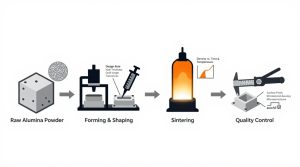
Components are manufactured to tight tolerances using advanced forming and sintering techniques. Standard crucibles come in various sizes, while custom shapes can be produced for specific industrial needs. Surface finish and geometry are carefully controlled to meet exact application requirements.
Applications of Aluminum Nitride Ceramic Crucible and Structural Components for High Temperature
Applications of Aluminum Nitride Ceramic Crucibles and Structural Components for High-Temperature Environments
Crucibles for Demanding Melting Processes
Aluminum nitride (AlN) ceramic crucibles handle extreme heat with ease. They resist thermal shock better than many traditional ceramics. This makes them ideal for melting reactive metals like aluminum, gallium, and rare earth elements. The material does not react with most molten metals, so it keeps the melt pure. Industries use these crucibles in semiconductor manufacturing, crystal growth, and high-purity metal refining.
Structural Parts That Stay Strong at High Temperatures
Beyond crucibles, AlN serves as a structural material in hot zones of furnaces and processing equipment. Its high thermal conductivity helps spread heat evenly. At the same time, its electrical insulation prevents short circuits in sensitive setups. These parts include support rods, insulating plates, and wafer handling components. They maintain shape and strength even above 1,500°C in inert or vacuum atmospheres.
Why Choose Aluminum Nitride?
Aluminum nitride stands out because it combines several key properties. It conducts heat well but blocks electricity. It stays stable in harsh chemical environments. It also has low thermal expansion, which reduces stress during rapid heating or cooling. These traits make AlN far more reliable than alumina or other common ceramics in critical high-temperature applications.
Manufacturers rely on AlN components when performance cannot be compromised. Whether holding molten material or supporting delicate processes, these parts deliver consistent results under intense conditions. Their durability cuts downtime and improves product quality across advanced industrial fields.

Company Profile
Synthetic-chemical focus on the research and development, production and sales of ceramic products, serving the electronics, ceramics, chemical and other industries. Since its establishment in 2015, the company has been committed to providing customers with the best products and services, and has become a leader in the industry through continuous technological innovation and strict quality management.
Our products includes but not limited to Aluminum Nitride, Aluminum Oxide, Boron Carbide, Boron Nitride, Ceramic Crucible, ect. If you are interested in any type of these, please feel free to contact us.

Payment Methods
T/T, Western Union, Paypal, Credit Card etc.
Shipment Methods
By air, by sea, by express, as customers request.
5 FAQs of Aluminum Nitride Ceramic Crucible and Structural Components for High Temperature
Frequently Asked Questions: Aluminum Nitride Ceramic Crucibles & High-Temperature Components
What makes aluminum nitride ceramic good for high-temperature use?
Aluminum nitride (AlN) handles very high heat without breaking down. It stays strong even above 1,600°C. This material also spreads heat quickly and evenly, which helps prevent hot spots during processing.
Why choose AlN over other ceramics like alumina?
AlN has much better thermal conductivity than standard alumina. It moves heat faster, so your process runs more smoothly. AlN is also electrically insulating but thermally efficient—ideal for sensitive electronics or semiconductor work.
Can these crucibles resist chemical corrosion?
Yes. Aluminum nitride resists many molten metals and slags. It holds up well in reducing atmospheres. However, it may react with strong acids or water vapor at high temperatures, so check your specific operating conditions first.
Are AlN components brittle?
Like most advanced ceramics, AlN is hard but can crack under sudden impact or sharp stress. Handle it carefully during installation and use. Design your setup to avoid mechanical shock or rapid temperature swings.
What industries use AlN crucibles and parts?
These components are common in semiconductor manufacturing, LED production, and crystal growth. They’re also used in high-end metallurgy and aerospace applications where stable performance at extreme heat is critical. Labs and research facilities rely on them for precise, contamination-free results.
REQUEST A QUOTE
RELATED PRODUCTS
Alkali Resistant PBN Ceramic Crucible Boat for Crystal Growth
High Quality AZS Crucible Blocks for Industrial Ceramic Applications
High Purity Alumina Ceramic and Corundum Crucible for Use
Alumina Ceramic Aluminum Oxide Crucible for Laboratory Applications
High Purity Ceramic Crucible For Gold And Precious Metal Smelting