Next-Generation Ceramics: Unlocking Superior Properties for Industry

PRODUCT PARAMETERS
Description
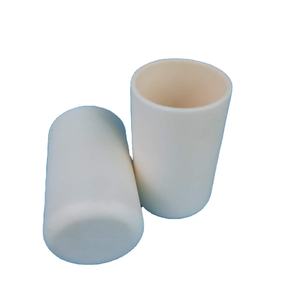
Overview of High Purity Alumina Ceramic TGA Crucible for Differential Thermal Analysis
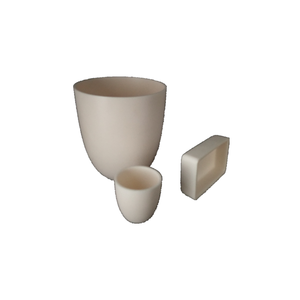
A Ceramic Crucible is a vessel designed to withstand extreme temperatures for melting, calcining, or reacting chemical substances. Advanced ceramic crucibles are engineered from high-purity materials like Alumina, Zirconia, Boron Nitride, or Magnesia, chosen for their ability to contain specific molten materials without contamination or failure.
Features of High Purity Alumina Ceramic TGA Crucible for Differential Thermal Analysis
- Extreme Temperature Resistance: Can operate continuously from 1000°C to over 1800°C, depending on the material.
- High Purity & Chemical Inertness: Minimizes reaction with and contamination of the melt (metal, glass, salt, ash).
- Excellent Thermal Shock Resistance: (Grade-dependent) Can withstand rapid heating and cooling cycles.
- Variety of Compositions & Designs: Tailored for specific applications (e.g., BN for reactive metals, ZrO₂ for precious metals, MgO for basic slags).
- Durable & Reusable: High-quality crucibles can survive multiple cycles, providing long service life.
Specifications of High Purity Alumina Ceramic TGA Crucible for Differential Thermal Analysis
High Purity Alumina Porcelain TGA Crucible
Material and Purity
This crucible is made from high purity alumina ceramic. The alumina material is 99.8% or higher. This level of purity makes sure marginal contamination during thermal analysis. It likewise provides excellent chemical resistance versus most acids, bases, and molten steels.
Temperature Resistance
The crucible can hold up against temperatures up to 1700 ° C(3092 ° F). It keeps architectural integrity even under quick heating and cooling down cycles. This makes it optimal for usage in thermogravimetric analysis (TGA) and differential thermal evaluation (DTA).
Layout and Dimensions
Standard sizes consist of abilities of 50 µL, 100 µL, and 200 µL. Wall thickness is consistent to sustain regular heat distribution. The crucible features a level base and straight sides for secure positioning inside the analyzer furnace. Personalized measurements are readily available upon request.
Surface Finish and Tidiness
Each crucible has a smooth interior surface. This minimizes example attachment and makes cleaning less complicated after use. All devices are ultrasonically cleaned prior to packaging to remove dust or residues. They show up all set for immediate usage in delicate analytical procedures.
Compatibility
These crucibles work well with many industrial TGA and DTA instruments. They work with inert, oxidizing, and minimizing environments. Do not utilize with hydrofluoric acid or solid alkalis over 1000 ° C, as these might create material degradation.
Product packaging and Handling
Crucibles are jam-packed individually in protective situations to prevent breaking or breakage. Manage with ceramic or plastic tweezers to prevent contamination from steel tools. Shop in a completely dry, dust-free setting when not in use.
Applications of High Purity Alumina Ceramic TGA Crucible for Differential Thermal Analysis
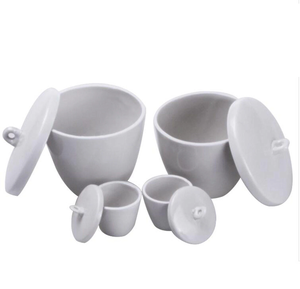
High Pureness Alumina Ceramic TGA Crucibles for Differential Thermal Analysis
Why High Purity Matters
High pureness alumina ceramic crucibles are built for thermal gravimetric analysis (TGA) and differential thermal analysis (DTA). These tests need containers that stay steady at extremely heats. Routine products might react with samples or damage down throughout home heating. That causes incorrect outcomes. High purity alumina prevents this issue. It stands up to chemical reactions and keeps its shape even above 1600 ° C.
Perfect for Accurate Measurements
These crucibles provide clean, reputable information. Their surface is smooth and non-porous. That suggests samples do not stick or leakage. The material does not include extra weight or gases throughout testing. This helps scientists see actual changes in the sample– like weight reduction from wetness or decomposition. Every analysis stays true to what in fact occurs.
Constructed to Last
Alumina ceramic is tough. It manages fast temperature changes without fracturing. It also stands up to wear from duplicated use. Labs save money because one crucible helps numerous examinations. Cleansing is simple also. Just warm it or rinse with mild solvents. No unique care is required.
Functions with Numerous Samples
These crucibles fit a wide variety of products. You can test steels, polymers, ceramics, powders, and much more. They operate in air, oxygen, nitrogen, or inert gas settings. The high purity level ensures no cross-contamination in between tests. That makes them ideal for research study, quality assurance, and commercial laboratories.
Trusted by Specialists
Top labs all over the world pick high pureness alumina crucibles for TGA and DTA. Their efficiency satisfies stringent requirements. Whether you study new materials or inspect item high quality, these crucibles deliver consistent, credible results every time.

Company Profile
Synthetic-chemical focus on the research and development, production and sales of ceramic products, serving the electronics, ceramics, chemical and other industries. Since its establishment in 2015, the company has been committed to providing customers with the best products and services, and has become a leader in the industry through continuous technological innovation and strict quality management.
Our products includes but not limited to Aluminum Nitride, Aluminum Oxide, Boron Carbide, Boron Nitride, Ceramic Crucible, ect. If you are interested in any type of these, please feel free to contact us.

Payment Methods
T/T, Western Union, Paypal, Credit Card etc.
Shipment Methods
By air, by sea, by express, as customers request.
5 FAQs of High Purity Alumina Ceramic TGA Crucible for Differential Thermal Analysis
Frequently Asked Questions: High Purity Alumina Ceramic TGA Crucibles
What is a high purity alumina ceramic TGA crucible?
This crucible is made from very pure aluminum oxide (Al₂O₃), usually 99.8% or higher. It holds samples during thermogravimetric analysis (TGA) and differential thermal analysis (DTA). The high purity helps avoid chemical reactions with your sample, giving more accurate test results.
Why choose alumina over other materials?
Alumina can handle very high temperatures—up to 1700°C in air. It resists thermal shock well and stays stable across repeated heating and cooling cycles. Unlike quartz or metals, it does not react easily with most acids, bases, or oxides at high heat. This makes it ideal for precise thermal measurements.
Can I reuse the crucible?
Yes, you can reuse it if handled carefully. Clean it thoroughly after each use to remove any residue. Avoid sudden temperature changes that may cause cracks. Do not use it with strong alkalis like sodium hydroxide above 1000°C—they can damage the alumina surface.
How do I clean the crucible?
First, let it cool down completely. Then rinse with distilled water. For stubborn residues, soak it in dilute nitric or hydrochloric acid, then rinse again with water. Never use abrasive tools—they scratch the surface and weaken the crucible.
Does the crucible affect my TGA results?
A high purity alumina crucible has minimal impact on your data. Its low thermal expansion and consistent mass help maintain baseline stability. Always run a blank test (empty crucible) under the same conditions as your sample. This lets you subtract any background signal and get cleaner results.
REQUEST A QUOTE
RELATED PRODUCTS
Fused Silica Ceramic Quartz Crucible Bowl for Jewelry
Dental Ceramic Sintering Crucible Refractory Zirconia For Gold Melting
High Temperature Resistant Alumina Al2O3 Ceramic Crucible for Furnace
Volatile Porcelain Ceramic Crucible with Tight Lid for Measurement
Melting Al2O3 Alumina Crucible For Ceramics Production