Next-Generation Ceramics: Unlocking Superior Properties for Industry

PRODUCT PARAMETERS
Description
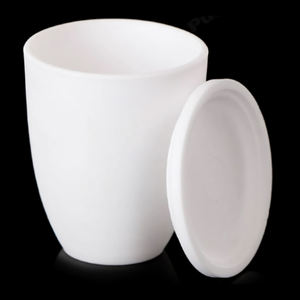
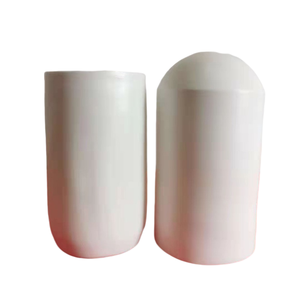
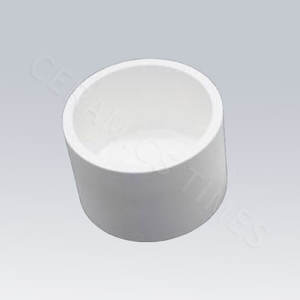
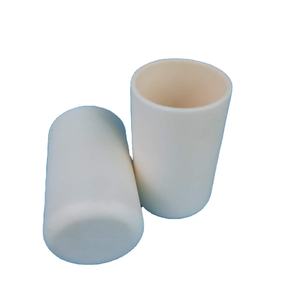
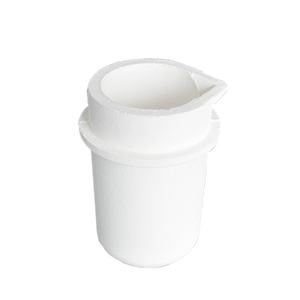
Overview of Laboratory Best Quality Alumina Ceramic and Graphite Crucible
A Ceramic Crucible is a vessel designed to withstand extreme temperatures for melting, calcining, or reacting chemical substances. Advanced ceramic crucibles are engineered from high-purity materials like Alumina, Zirconia, Boron Nitride, or Magnesia, chosen for their ability to contain specific molten materials without contamination or failure.
Features of Laboratory Best Quality Alumina Ceramic and Graphite Crucible
- Extreme Temperature Resistance: Can operate continuously from 1000°C to over 1800°C, depending on the material.
- High Purity & Chemical Inertness: Minimizes reaction with and contamination of the melt (metal, glass, salt, ash).
- Excellent Thermal Shock Resistance: (Grade-dependent) Can withstand rapid heating and cooling cycles.
- Variety of Compositions & Designs: Tailored for specific applications (e.g., BN for reactive metals, ZrO₂ for precious metals, MgO for basic slags).
- Durable & Reusable: High-quality crucibles can survive multiple cycles, providing long service life.
Specifications of Laboratory Best Quality Alumina Ceramic and Graphite Crucible
Specifications of Laboratory Highest Alumina Ceramic and Graphite Crucible
Product Make-up
This crucible combines two high-performance materials: 99.5% pure alumina ceramic and high-density graphite. The alumina ceramic deals superb resistance to chemical corrosion and thermal shock. The graphite provides strong thermal conductivity and security at extremely high temperatures.
Temperature Resistance
The crucible can safely operate approximately 1700 ° C(3092 ° F)
Applications of Laboratory Best Quality Alumina Ceramic and Graphite Crucible
Applications of Lab Highest Alumina Ceramic and Graphite Crucible
High-Temperature Sample Processing
Alumina ceramic crucibles handle severe heat with ease. They function well in temperatures approximately 1700 ° C. Researchers utilize them for thawing metals, ashing natural materials, and firing porcelains. Their strong framework resists thermal shock. This implies they won’t crack when warmed or cooled promptly.
Exact Chemical Analysis
These crucibles stay inert during chemical reactions. They do not react with acids, bases, or liquified salts. That makes them suitable for precise laboratory tests. When purity matters, alumina crucibles deliver constant results without polluting examples.
Metal and Alloy Melting
Graphite crucibles are excellent for thawing non-ferrous metals like light weight aluminum, copper, and zinc. They perform heat quick and evenly. Their smooth inner surface area aids put molten steel easily. Graphite also deals with repetitive home heating cycles without breaking down.
Crystal Growth and Research Study
Both types sustain advanced material research. Alumina crucibles are utilized in expanding oxide crystals. Graphite crucibles aid in semiconductor researches and sintering procedures. Their reliability makes certain experiments run efficiently under regulated problems.
Toughness in Daily Lab Use
These crucibles last a long time. Alumina resists wear from mechanical stress and anxiety. Graphite maintains shape even after several thaws. Labs save cash because replacements are needed much less commonly. Both kinds clean easily and prepare quickly for the next task.
Flexibility Throughout Industries
Beyond academic labs, these crucibles serve quality assurance in metallurgy, electronic devices, and drugs. Their performance fulfills strict industry criteria. Whether screening basic materials or creating brand-new compounds, experts trust them for dependable outcomes whenever.

Company Profile
Synthetic-chemical focus on the research and development, production and sales of ceramic products, serving the electronics, ceramics, chemical and other industries. Since its establishment in 2015, the company has been committed to providing customers with the best products and services, and has become a leader in the industry through continuous technological innovation and strict quality management.
Our products includes but not limited to Aluminum Nitride, Aluminum Oxide, Boron Carbide, Boron Nitride, Ceramic Crucible, ect. If you are interested in any type of these, please feel free to contact us.

Payment Methods
T/T, Western Union, Paypal, Credit Card etc.
Shipment Methods
By air, by sea, by express, as customers request.
5 FAQs of Laboratory Best Quality Alumina Ceramic and Graphite Crucible
Frequently Asked Questions
What is this crucible made of?
This crucible uses two main materials: high-purity alumina ceramic and premium graphite. The alumina ceramic offers strong heat resistance and chemical stability. The graphite adds good thermal conductivity and thermal shock resistance. Together, they create a reliable tool for demanding lab work.
Can it handle very high temperatures?
Yes. This crucible works well at temperatures up to 1700°C (3092°F). It keeps its shape and performance even under long-term high-heat conditions. That makes it suitable for melting metals, ash testing, and other high-temp lab processes.
Is it safe for reactive chemicals?
The alumina ceramic part resists most acids, alkalis, and molten salts. Graphite also holds up well in many aggressive environments. Still, avoid using it with strong oxidizing agents or certain metal oxides that may react with carbon at high heat.
How long will it last?
With proper use, this crucible lasts much longer than standard ones. Its dense structure reduces wear and cracking. Do not subject it to sudden temperature changes or mechanical shocks. Handle it gently during heating and cooling cycles to extend its life.
How do I clean and store it?
Let the crucible cool completely before cleaning. Remove residue with a soft brush or compressed air. Avoid water if the crucible is still warm—it can cause cracks. Store it in a dry, dust-free place. Keep it away from moisture and sharp objects to prevent damage.
REQUEST A QUOTE
RELATED PRODUCTS
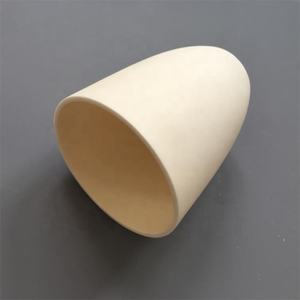
Custom Opaque Quartz Ceramic Metal Melting Crucible Thermal Stability
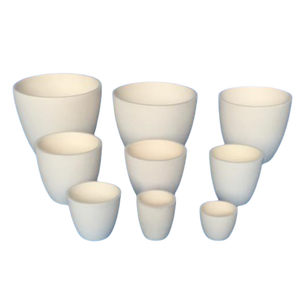
Fire Assay Clay Ceramic Crucible for Glass Melting Applications
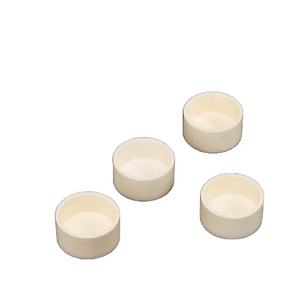
High Pure Quartz Ceramic Crucible For Furnace Melting Glass
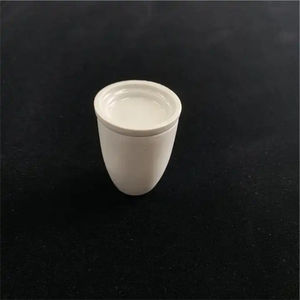
High Purity Magnesium Oxide Ceramic Rectangular Crucible Boat
Aluminum Nitride Ceramic Crucible and Structural Components for High Temperature