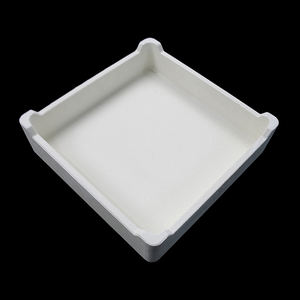
Next-Generation Ceramics: Unlocking Superior Properties for Industry

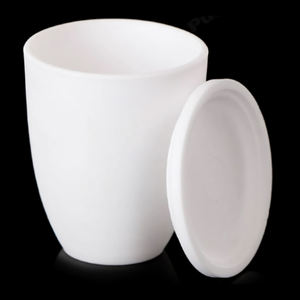
PRODUCT PARAMETERS
Description
Overview of Electronical Insulation 99% Al2O3 Ceramic Bead Bearing
Alumina Ceramic, or Aluminum Oxide (Al₂O₃), is the most widely used and versatile advanced ceramic material. Known for its excellent balance of mechanical, thermal, and electrical properties, it is a cost-effective solution for a vast array of demanding industrial applications. Alumina components are produced in purity levels ranging from 85% to 99.9%, with properties enhancing as purity increases.
Features of Electronical Insulation 99% Al2O3 Ceramic Bead Bearing
- High Hardness & Wear Resistance: Offers exceptional resistance to abrasion and mechanical wear.
- Excellent Electrical Insulation: Maintains high electrical resistivity even at elevated temperatures.
- Good Thermal Conductivity: (For a ceramic) effectively dissipates heat, especially in higher purity grades.
- High Compressive Strength: Capable of withstanding significant mechanical loads.
- Chemical Inertness: Highly resistant to corrosion from acids, alkalis, and molten metals.
- Cost-Effectiveness: Provides superior performance at a lower cost compared to many other technical ceramics.
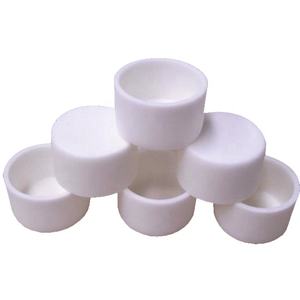
Specifications of Electronical Insulation 99% Al2O3 Ceramic Bead Bearing
Electric Insulation 99% Al Two O Four Ceramic Bead Bearing– Key Specifications
Product Structure
99% high-purity aluminum oxide (Al two O THREE) forms the core of this ceramic bead bearing. The product supplies exceptional electrical insulation and strong mechanical performance. It includes marginal pollutants, which makes sure regular high quality and reliability sought after atmospheres.
Electrical Qualities
This ceramic bead bearing supplies high dielectric stamina, normally above 12 kV/mm. Its quantity resistivity goes beyond 10 ¹⁴ Ω · cm at area temperature level. These homes make it excellent for applications where electrical seclusion is essential. The low dielectric loss likewise sustains steady efficiency in high-frequency circuits.
Mechanical Stamina
The bearing shows a flexural toughness of 300– 350 MPa and a hardness of 1500– 1700 HV. These values permit it to stand up to considerable mechanical stress and anxiety without splitting or deforming. Its wear resistance is exceptional, ensuring long service life even under continual operation.
Thermal Efficiency
With a thermal conductivity of 28– 32 W/(m · K), the element efficiently dissipates warmth. It remains secure across a large temperature array, from -50 ° C to +1600 ° C. The low thermal expansion coefficient (about 7.5 × 10 ⁻⁶/ ° C) prevents dimensional adjustments during rapid temperature changes.
Dimensional Precision
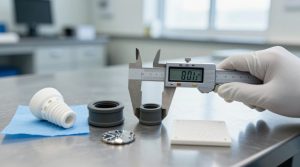
Each grain bearing is made to tight resistances. Standard outer diameters vary from 1 mm to 20 mm, with internal hole sizes as little as 0.3 mm. Surface finish is smooth, with roughness normally listed below Ra 0.4 μm. This accuracy supports trusted fit and feature in delicate settings up.
Chemical Resistance
The 99% Al two O five structure is extremely immune to acids, antacid, and solvents. It does not wear away or deteriorate when subjected to harsh chemicals. This makes the bearing appropriate for usage in aggressive commercial or laboratory setups.
Usual Applications
These bead bearings are extensively used in high-voltage insulators, sensing unit housings, semiconductor equipment, and aerospace components. Their mix of electrical insulation, mechanical sturdiness, and thermal stability satisfies strict sector needs.
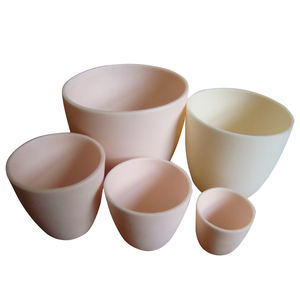
Applications of Electronical Insulation 99% Al2O3 Ceramic Bead Bearing
Applications of Electric Insulation 99% Al ₂ O Two Ceramic Grain Bearings
High-Performance Insulation in Demanding Settings
99% Al ₂ O ₃ ceramic grain bearings offer excellent electrical insulation. They are made from high-purity alumina, which provides strong resistance to electrical power. This makes them ideal for use where steel components should stay electrically separated.
These bearings function well in high-voltage systems. You can discover them inside power products, transformers, and switchgear. Their secure framework stops current leakage also under heavy electric tons. They also manage high temperatures without shedding performance.
Trustworthy Assistance in Accuracy Equipment
In scientific and medical gadgets, accuracy matters. Ceramic grain bearings give smooth activity with very little friction. They do not wear away or use rapidly. This makes certain long service life in sensitive tools like MRI equipments, lab analyzers, and semiconductor manufacturing devices.
Because they are non-magnetic, they do not conflict with electronic signals. This is very important in devices that relies on exact readings or electromagnetic fields.
Sturdy Efficiency in Harsh Issues
99% Al ₂ O four ceramic beads stand up to chemicals, wetness, and extreme warm. They are used in commercial settings such as chemical handling plants, aerospace systems, and automobile sensing units. Unlike steel, they will certainly not rust or deteriorate when subjected to hostile compounds.
Their hardness also reduces wear in moving parts. This reduces maintenance requirements and maintains machinery running much longer.
Compact Style for Modern Electronics
As electronic devices get smaller, room ends up being tight. These ceramic bearings match small designs without giving up stamina or insulation. They support revolving or gliding components in drones, robotics, and consumer electronic devices. Their light-weight nature helps reduce overall system weight while maintaining reliability.

Company Profile
Synthetic-chemical focus on the research and development, production and sales of ceramic products, serving the electronics, ceramics, chemical and other industries. Since its establishment in 2015, the company has been committed to providing customers with the best products and services, and has become a leader in the industry through continuous technological innovation and strict quality management.
Our products includes but not limited to Aluminum Nitride, Aluminum Oxide, Boron Carbide, Boron Nitride, Ceramic Crucible, ect. If you are interested in any type of these, please feel free to contact us.

Payment Methods
T/T, Western Union, Paypal, Credit Card etc.
Shipment Methods
By air, by sea, by express, as customers request.
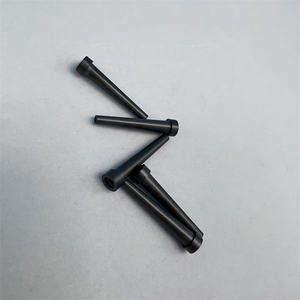
5 FAQs of Electronical Insulation 99% Al2O3 Ceramic Bead Bearing
Frequently Asked Questions: 99% Al₂O₃ Ceramic Bead Bearings
What is a 99% Al₂O₃ ceramic bead bearing?
It is a small, round component made from aluminum oxide (Al₂O₃) with 99% purity. These beads act as rolling elements in bearings. They offer excellent electrical insulation and high hardness. People use them where metal parts would cause problems.
Why choose ceramic over metal beads?
Ceramic beads do not conduct electricity. They resist corrosion and wear better than most metals. They also run smoother and last longer in harsh conditions. In applications needing electrical isolation, ceramic is the clear choice.
Where are these bearings used?
You’ll find them in medical devices, semiconductor equipment, and aerospace systems. They work well in environments that demand cleanliness, non-magnetic properties, or resistance to chemicals. Any place where sparks or conductivity must be avoided is a good fit.
Are they fragile?
While ceramics can crack under sharp impact, 99% Al₂O₃ beads are very strong under normal operating loads. They handle high pressure and speed when installed correctly. Avoid dropping them or using them in high-shock situations.
Do they need special maintenance?
Not really. They require less lubrication than steel bearings. Keep them clean and free from grit. Since they don’t rust, storage is simple. Just avoid extreme thermal shocks—sudden temperature changes can weaken them.
REQUEST A QUOTE
RELATED PRODUCTS
Alumina Ceramic Shaft for Boiler Pumps
Gravel’s Zirconia Ceramic Basket Gemstone with Alumina Coating
Pink Aluminum Oxide for Grinding, Polishing & High Temp Coatings (F12-P220, #240-#4000)
Factory s: Customizable Alumina Ceramic Shaft, Plunger, Spindle & Sleeve
Professional Choice for Catalyst Preparation: Alumina Microspheres