Next-Generation Ceramics: Unlocking Superior Properties for Industry

PRODUCT PARAMETERS
Description
Overview of High Electrical Resistance Alumina Ceramic Rod / Shaft for Electroplating
Alumina Ceramic, or Aluminum Oxide (Al₂O₃), is the most widely used and versatile advanced ceramic material. Known for its excellent balance of mechanical, thermal, and electrical properties, it is a cost-effective solution for a vast array of demanding industrial applications. Alumina components are produced in purity levels ranging from 85% to 99.9%, with properties enhancing as purity increases.
Features of High Electrical Resistance Alumina Ceramic Rod / Shaft for Electroplating
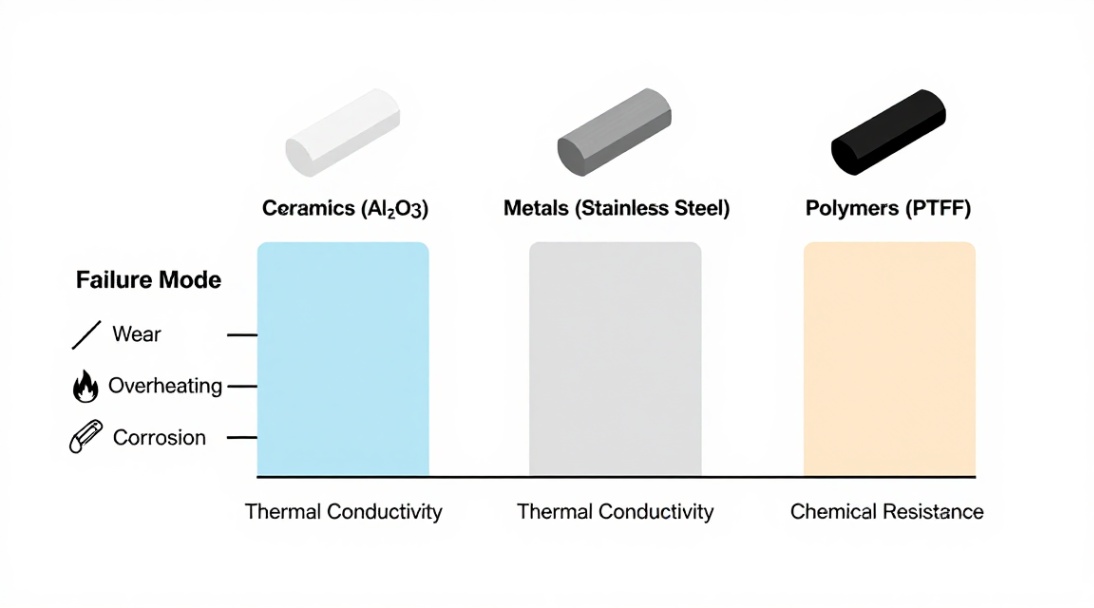
- High Hardness & Wear Resistance: Offers exceptional resistance to abrasion and mechanical wear.
- Excellent Electrical Insulation: Maintains high electrical resistivity even at elevated temperatures.
- Good Thermal Conductivity: (For a ceramic) effectively dissipates heat, especially in higher purity grades.
- High Compressive Strength: Capable of withstanding significant mechanical loads.
- Chemical Inertness: Highly resistant to corrosion from acids, alkalis, and molten metals.
- Cost-Effectiveness: Provides superior performance at a lower cost compared to many other technical ceramics.
Specifications of High Electrical Resistance Alumina Ceramic Rod / Shaft for Electroplating
High Electric Resistance Alumina Porcelain Rod/ Shaft for Electroplating
Trick Specifications
Our alumina ceramic rod is made from 99.5% pure aluminum oxide. This high purity offers the product exceptional electrical insulation. It functions well also in severe electroplating atmospheres.
Electrical Resistance: The volume resistivity mores than 1014 Ω · cm at space temperature. This value stays high as much as 500 ° C. The rod blocks unwanted existing flow and keeps your plating process steady.
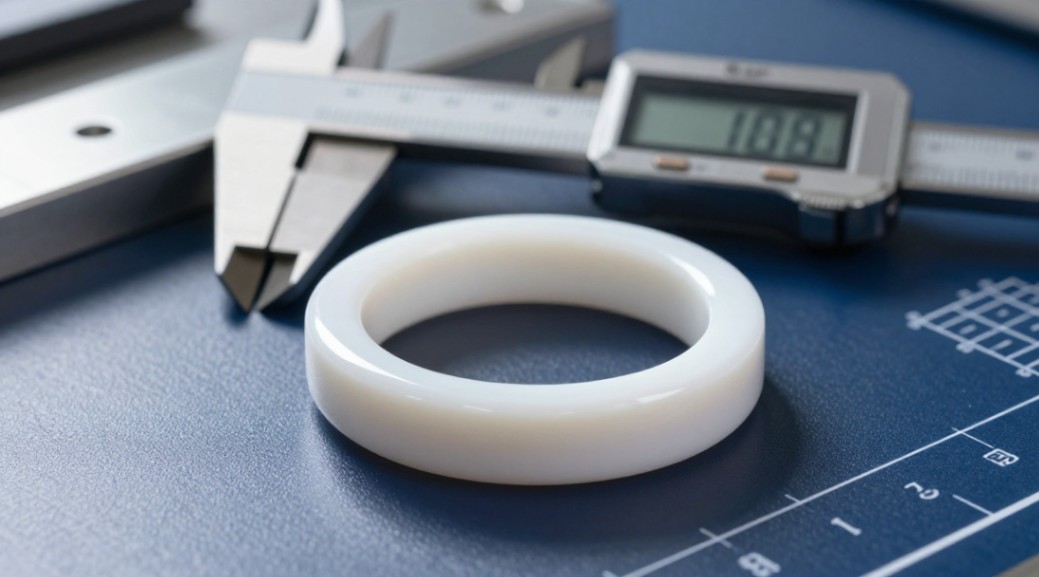
Measurements: Standard diameters vary from 3 mm to 50 mm. Lengths rise to 600 mm. Custom-made dimensions are also offered on request. Tolerances satisfy ISO 2768-mK requirements for precision fit.
Mechanical Strength: The flexural stamina is about 350 MPa. Firmness reaches 1500– 1600 HV. These buildings assist the rod withstand wear, bending, and breakage throughout lasting use.
Thermal Performance: Optimum constant usage temperature is 1600 ° C in air. Thermal conductivity is around 30 W/m · K. Low thermal growth (6.8 × 10− 6/ ° C) prevents cracking under quick temperature modifications.
Chemical Security: The pole stands up to acids, antacid, and plating bathrooms like nickel, copper, and chrome remedies. It does not rust or deteriorate in regular electroplating problems.
Surface area Finish: Ground surface roughness is Ra ≤ 0.4 μm. A smooth surface reduces fragment buildup and makes certain tidy contact with components.
This alumina ceramic shaft suits anodes, insulators, rollers, and assistance components in electroplating lines. Its mix of high insulation, toughness, and chemical resistance makes it a dependable selection for requiring commercial applications.
Applications of High Electrical Resistance Alumina Ceramic Rod / Shaft for Electroplating
High Electrical Resistance Alumina Ceramic Poles for Electroplating
Why Use Alumina Porcelain in Electroplating?
Electroplating demands components that do not conduct power. Alumina ceramic poles and shafts are perfect for this. They have extremely high electric resistance. This implies they block electric present well. So, they maintain the plating process safe and under control.
These ceramic components stay secure also in challenging problems. They function well in solid acids, bases, and other severe chemicals made use of in layering baths. Unlike steel or plastic, alumina does not corrode or wear out quickly. It maintains its shape and size over time. That assists keep regular plating high quality.
Secret Benefits in Genuine Applications
Alumina ceramic poles work as insulating supports or overviews inside electroplating storage tanks. They hold fixtures, shelfs, or anodes without allowing existing leak where it should not. This protects against brief circuits and uneven layer. The result is a smoother, more uniform metal layer on the workpiece.
Because alumina has low thermal development, it handles temperature level adjustments without fracturing. It likewise stands up to mechanical stress. This makes it trustworthy throughout lengthy production runs. Operators can rely on these poles to do day in day out with little upkeep.
Another plus is purity. High-purity alumina does not release bits or pollutants into the plating solution. This keeps the bathroom tidy and avoids problems on layered surfaces. Tidy layering methods less declines and much better product look.
Numerous markets make use of these ceramic shafts– auto, electronics, aerospace, and jewelry. Each counts on accurate, repeatable plating outcomes. Alumina ceramic poles assist fulfill those needs without including complexity or price.
Bottom line: If your electroplating arrangement requires reputable insulation that lasts, high-resistance alumina ceramic poles deliver efficiency you can rely on.

Company Profile
Synthetic-chemical focus on the research and development, production and sales of ceramic products, serving the electronics, ceramics, chemical and other industries. Since its establishment in 2015, the company has been committed to providing customers with the best products and services, and has become a leader in the industry through continuous technological innovation and strict quality management.
Our products includes but not limited to Aluminum Nitride, Aluminum Oxide, Boron Carbide, Boron Nitride, Ceramic Crucible, ect. If you are interested in any type of these, please feel free to contact us.

Payment Methods
T/T, Western Union, Paypal, Credit Card etc.
Shipment Methods
By air, by sea, by express, as customers request.
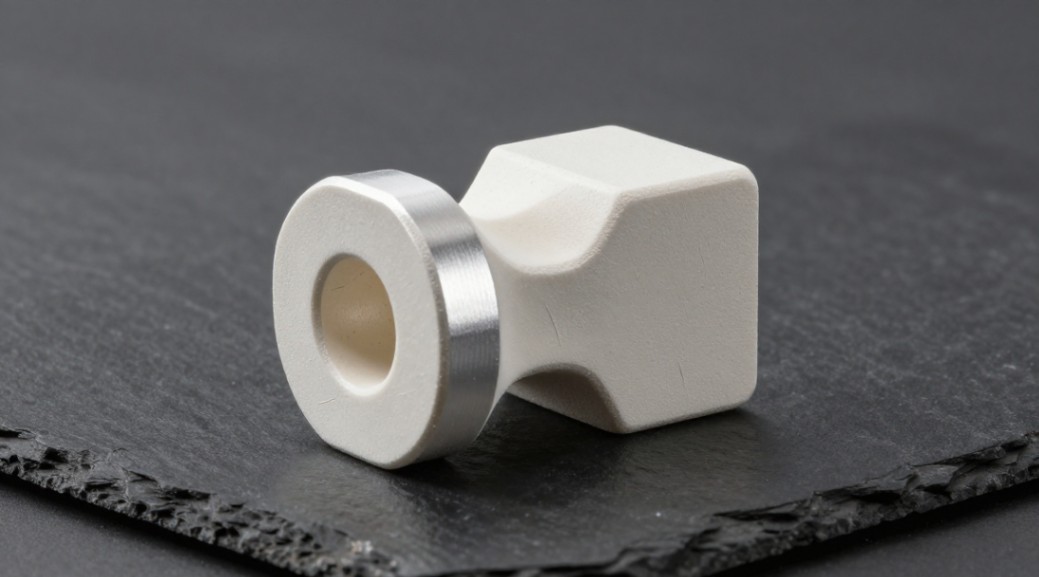
5 FAQs of High Electrical Resistance Alumina Ceramic Rod / Shaft for Electroplating
Frequently Asked Questions: High Electrical Resistance Alumina Ceramic Rods for Electroplating
What is this ceramic rod used for?
This alumina ceramic rod works as an insulating shaft or support in electroplating tanks. It holds parts in place without conducting electricity. That keeps the plating process stable and safe.
Why choose alumina over other materials?
Alumina has very high electrical resistance. It also resists heat, chemicals, and wear. Metal rods would conduct current and ruin the plating. Plastic rods may melt or degrade. Alumina stays strong and inert in harsh plating baths.
Can it handle high temperatures?
Yes. These rods are made from 95%–99.8% pure alumina. They stay stable at temperatures up to 1600°C (2912°F). Most electroplating runs far below that, so performance is reliable even during long operations.
Is it resistant to acids and alkalis?
Yes. Alumina ceramic resists most acids, alkalis, and solvents used in electroplating. It won’t corrode, swell, or leach contaminants into the bath. This helps maintain plating quality and solution life.
How precise are the dimensions?
These rods are ground to tight tolerances. Standard options include ±0.02 mm for diameter and ±0.1 mm for length. Custom sizes are also available. Smooth surface finish reduces drag and prevents particle buildup during use.
REQUEST A QUOTE
RELATED PRODUCTS

Industrial C799 KER710 99.7% Alumina (Alsint) Ceramic Tube for Thermocouples

Zirconia-Gravel Enhanced Alumina Ceramic Basket Gemstone – 38.1x25x23mm
96%/99.6% As-Fired Al2O3 Alumina Ceramic Substrate Plate
Custom Durable Alumina (Aluminum Oxide) Ceramic for Industrial Use
Hot Black Silicon Carbide (SiC 88%-98%) for Aluminum Oxide Industry