Next-Generation Ceramics: Unlocking Superior Properties for Industry

PRODUCT PARAMETERS
Description
Overview of Sintered Alumina Parts for Engineering & Industrial Use
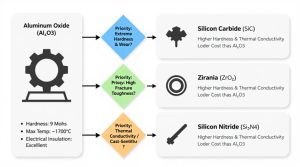
Alumina Ceramic, or Aluminum Oxide (Al₂O₃), is the most widely used and versatile advanced ceramic material. Known for its excellent balance of mechanical, thermal, and electrical properties, it is a cost-effective solution for a vast array of demanding industrial applications. Alumina components are produced in purity levels ranging from 85% to 99.9%, with properties enhancing as purity increases.
Features of Sintered Alumina Parts for Engineering & Industrial Use
- High Hardness & Wear Resistance: Offers exceptional resistance to abrasion and mechanical wear.
- Excellent Electrical Insulation: Maintains high electrical resistivity even at elevated temperatures.
- Good Thermal Conductivity: (For a ceramic) effectively dissipates heat, especially in higher purity grades.
- High Compressive Strength: Capable of withstanding significant mechanical loads.
- Chemical Inertness: Highly resistant to corrosion from acids, alkalis, and molten metals.
- Cost-Effectiveness: Provides superior performance at a lower cost compared to many other technical ceramics.
Specifications of Sintered Alumina Parts for Engineering & Industrial Use
Requirements of Sintered Alumina Components for Design & Industrial Use
Material Make-up
Sintered alumina components are made from high-purity light weight aluminum oxide (Al ₂ O TWO). A lot of grades consist of 94% to 99.8% alumina. The specific pureness level depends upon the application. Higher pureness gives much better electric insulation and chemical resistance.
Physical Features
These parts are very tough and wear-resistant. They have a normal hardness of 1500– 1900 HV on the Vickers scale. Their density ranges from 3.6 to 3.9 g/cm THREE. This makes them solid yet lightweight for ceramic components. Thermal conductivity is reduced, usually in between 20– 30 W/m · K. That aids in thermal insulation jobs.
Mechanical Strength
Sintered alumina reveals high compressive toughness– frequently over 2000 MPa. Flexural stamina normally falls between 250– 400 MPa. These worths may differ a little based on grain size and manufacturing method. The material is fragile, so it functions best under constant lots, not impact.
Thermal Efficiency
The maximum continual use temperature rises to 1650 ° C in air. Thermal development is low, about 6.5– 8.0 × 10 ⁻⁶/ K from 20 ° C to 800 ° C. This stability helps maintain shape and fit throughout home heating or cooling down cycles.
Electric Attributes
High electric resistivity is just one of its vital attributes. At space temperature, resistivity surpasses 10 ¹⁴ Ω · centimeters. Dielectric stamina is generally above 10 kV/mm. These characteristics make sintered alumina ideal for insulators, substratums, and electronic real estates.
Chemical Resistance
Outstanding resistance to acids, antacid, and molten metals is standard. It does not corrode easily. Nevertheless, hydrofluoric acid and solid antacid at high temperatures can trigger damage. Always examine compatibility for extreme atmospheres.
Usual Types and Tolerances
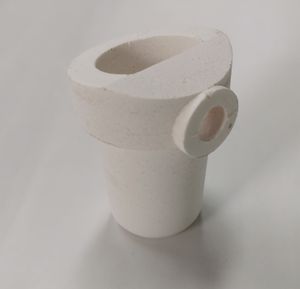
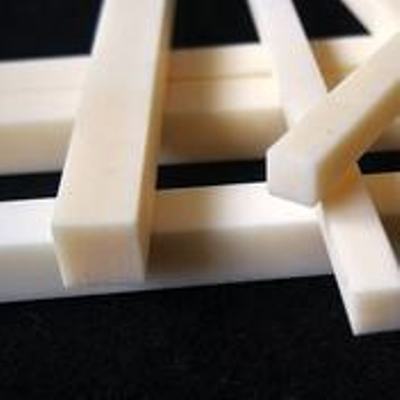
Parts come as rods, tubes, plates, rings, and custom forms. Standard dimensional tolerances are ± 0.1 mm, however tighter tolerances are feasible with grinding. Surface area coating can be as smooth as 0.4 µm Ra when required.
Applications of Sintered Alumina Parts for Engineering & Industrial Use
Applications of Sintered Alumina Components in Engineering and Market
Why Sintered Alumina Stands Out
Sintered alumina parts are made from light weight aluminum oxide that is heated up to heats without melting. This process produces a thick, strong ceramic product. The outcome is a product that resists wear, deals with high warmth, and remains stable in hard conditions.
Usage in Mechanical Systems
These components function well in pumps, shutoffs, and seals. They deal with consistent rubbing much better than numerous metals. In slurry or unpleasant fluid systems, sintered alumina elements last much longer and decrease downtime. Their solidity assists them keep shape and function also after long use.
Electric and Digital Functions
Sintered alumina does not conduct electrical energy yet transfers warm well. That makes it ideal for insulators, ignition system bodies, and substratums in digital circuits. It protects delicate components from overheating while blocking undesirable current flow. Manufacturing facilities count on it for consistent performance in power modules and sensing units.
High-Temperature Environments
In heaters, kilns, and thermal processing devices, metal parts usually deteriorate or wear away. Sintered alumina remains solid up to 1,700 ° C. It sustains heating elements, functions as safety tubes, and lines chambers where pureness and security issue. Its resistance to thermal shock avoids breaking during rapid temperature level modifications.
Chemical and Corrosive Settings
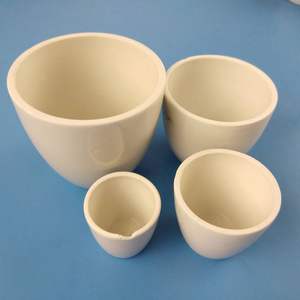
Several commercial chemicals eat away at conventional materials. Sintered alumina holds up against acids, antacid, and solvents. It is utilized in lab ware, chemical feed systems, and semiconductor manufacturing tools. Its inert nature means it will not respond or pollute the process.
Precision and Integrity
Engineers pick sintered alumina when tight resistances and lengthy life are required. The product can be machined to precise dimensions and keeps those dimensions under stress. Whether in aerospace, medical tools, or automation, it supplies trustworthy efficiency with marginal maintenance.

Company Profile
Synthetic-chemical focus on the research and development, production and sales of ceramic products, serving the electronics, ceramics, chemical and other industries. Since its establishment in 2015, the company has been committed to providing customers with the best products and services, and has become a leader in the industry through continuous technological innovation and strict quality management.
Our products includes but not limited to Aluminum Nitride, Aluminum Oxide, Boron Carbide, Boron Nitride, Ceramic Crucible, ect. If you are interested in any type of these, please feel free to contact us.

Payment Methods
T/T, Western Union, Paypal, Credit Card etc.
Shipment Methods
By air, by sea, by express, as customers request.
5 FAQs of Sintered Alumina Parts for Engineering & Industrial Use
Frequently Asked Questions: Sintered Alumina Parts for Engineering & Industrial Use
What are sintered alumina parts made of?
Sintered alumina parts are made from aluminum oxide (Al₂O₃) powder. This powder is pressed into shape and then heated to a high temperature. The heat fuses the particles together without melting them. The result is a dense, strong ceramic part.
Why choose sintered alumina over other materials?
Sintered alumina offers excellent hardness, wear resistance, and thermal stability. It works well in harsh environments where metals or plastics would fail. It also resists corrosion and keeps its shape at high temperatures. These traits make it ideal for demanding industrial applications.
Where are sintered alumina parts commonly used?
These parts are used in many industries. Examples include semiconductor manufacturing, chemical processing, aerospace, and automotive systems. You’ll find them in pump seals, insulators, wear plates, and sensor components. Their reliability in tough conditions makes them a go-to choice.
Can sintered alumina parts be customized?
Yes. Manufacturers can shape sintered alumina into complex geometries based on your design. Tolerances can be held tightly through precision grinding after sintering. Custom sizes, holes, grooves, and surface finishes are all possible to meet specific engineering needs.
How do I handle and install sintered alumina parts?
Handle with care—alumina is hard but brittle. Avoid impacts or sudden stress. Use clean tools during installation to prevent surface damage. Make sure mating surfaces are smooth and aligned properly. Follow manufacturer guidelines for mounting and operating conditions to ensure long service life.
REQUEST A QUOTE
RELATED PRODUCTS
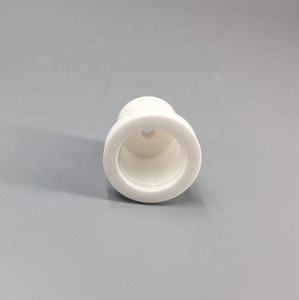
Whole Best White Alumina (Al2O3) Polishing Powder from China
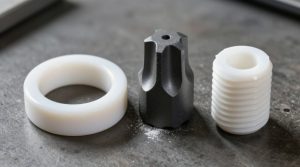
Anti-Wear Alumina Ceramic Sleeve / Pipe for Mining
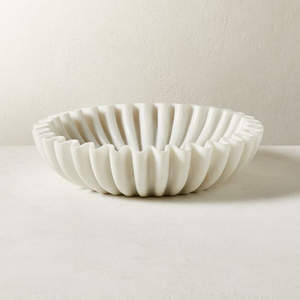
Gravel-Detailed Zirconia & Alumina Ceramic Basket Gemstone
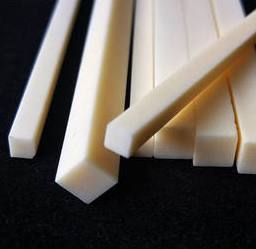
4N High-Purity Alumina for Optical Lens Manufacturing
92%/95% Alumina Ceramic Lining Plate / Wear Liner for Coal Washing Industry