Next-Generation Ceramics: Unlocking Superior Properties for Industry

PRODUCT PARAMETERS
Description
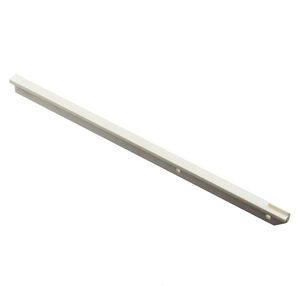
Overview of Whole Alumina Ceramic Rod / Shaft for Electroplating
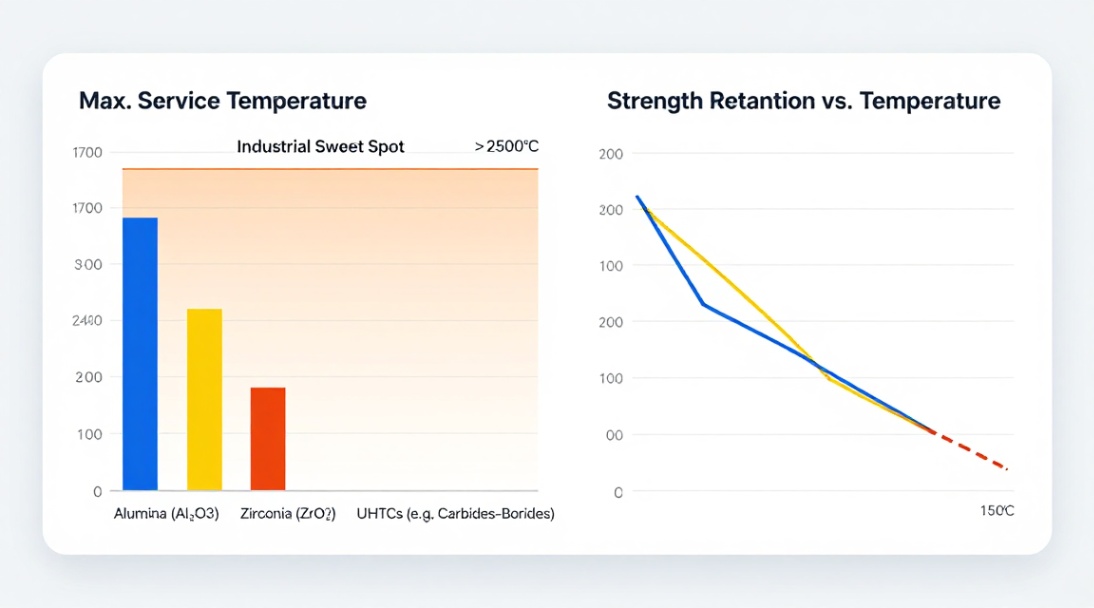
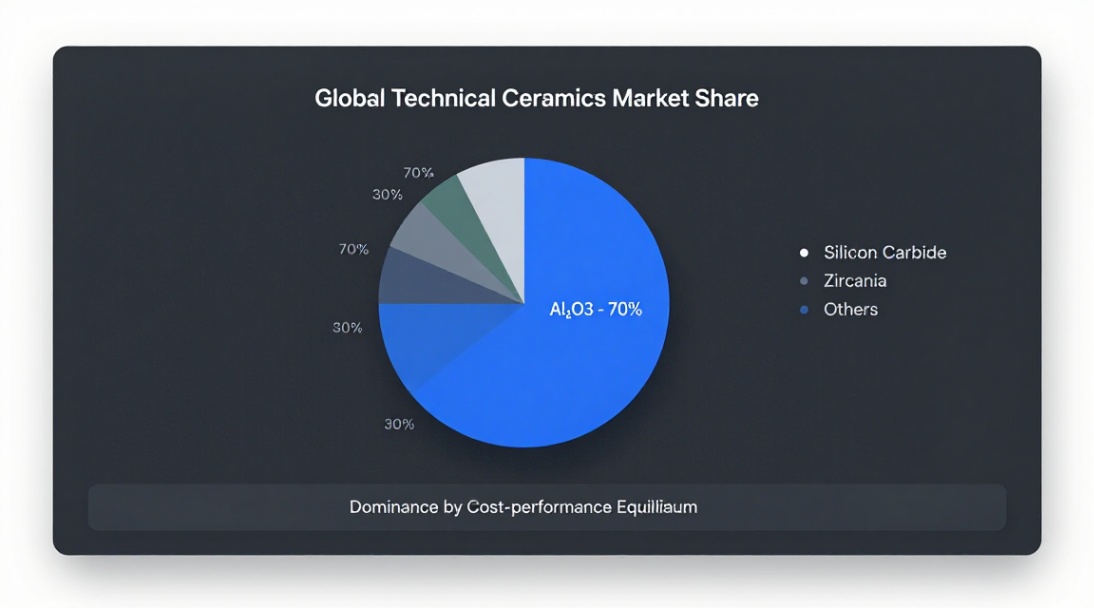
Alumina Ceramic, or Aluminum Oxide (Al₂O₃), is the most widely used and versatile advanced ceramic material. Known for its excellent balance of mechanical, thermal, and electrical properties, it is a cost-effective solution for a vast array of demanding industrial applications. Alumina components are produced in purity levels ranging from 85% to 99.9%, with properties enhancing as purity increases.
Features of Whole Alumina Ceramic Rod / Shaft for Electroplating
- High Hardness & Wear Resistance: Offers exceptional resistance to abrasion and mechanical wear.
- Excellent Electrical Insulation: Maintains high electrical resistivity even at elevated temperatures.
- Good Thermal Conductivity: (For a ceramic) effectively dissipates heat, especially in higher purity grades.
- High Compressive Strength: Capable of withstanding significant mechanical loads.
- Chemical Inertness: Highly resistant to corrosion from acids, alkalis, and molten metals.
- Cost-Effectiveness: Provides superior performance at a lower cost compared to many other technical ceramics.
Specifications of Whole Alumina Ceramic Rod / Shaft for Electroplating
Entire Alumina Porcelain Rod/ Shaft for Electroplating
Material and Pureness
99.5% pure alumina (Al ₂ O FOUR) develops the base of every pole and shaft. This high purity makes certain excellent resistance to chemical rust and thermal shock. The product stays secure in rough electroplating bathrooms, even at raised temperature levels.
Dimensions and Resistances
We provide common diameters from 3 mm to 50 mm, with sizes as much as 1,000 mm. Custom dimensions are readily available on demand. All items meet limited dimensional tolerances: ± 0.02 mm for diameter and ± 0.1 mm for size. Straightness is held within 0.1 mm per 100 mm of length to ensure smooth procedure in accuracy applications.
Surface area Finish
Each pole or shaft includes a fine-ground surface area with a roughness average (Ra) of ≤ 0.4 µm. This smooth surface reduces drag and avoids bit accumulation during electroplating processes. Edges are chamfered to stay clear of cracking and make sure secure handling.
Secret Efficiency Includes
The alumina ceramic building and construction delivers high hardness (HV ≥ 1,600) and low electric conductivity, making it excellent for use as an insulating component in plating fixtures. It stands up to wear, preserves form under load, and does not react with typical plating solutions like acid copper, nickel sulfate, or chromium baths. Its low thermal growth coefficient makes certain regular efficiency across temperature modifications.
Quality control
Every set goes through rigorous quality control. We evaluate for cracks, pores, and dimensional accuracy using visual, optical, and mechanical techniques. All poles and shafts abide by international criteria for technical ceramics and are ready for immediate assimilation into electroplating equipment.
Applications of Whole Alumina Ceramic Rod / Shaft for Electroplating
Applications of Whole Alumina Ceramic Pole/ Shaft for Electroplating
Why Choose Alumina Ceramic?
Whole alumina ceramic poles and shafts are widely made use of in electroplating systems. They supply solid resistance to corrosion from acids, alkalis, and other severe chemicals. Unlike metal parts, they do not rust or break down over time. This makes them suitable for lasting usage in demanding plating atmospheres.
Secret Utilizes in Electroplating
These ceramic components often serve as assistance rods, guide shafts, or protecting spindles inside plating containers. Their non-conductive nature stops undesirable existing paths, which helps preserve regular plating top quality. Due to the fact that they stay steady at high temperatures, they work well also in heated bathrooms.
Alumina ceramic poles additionally keep their shape and size under tension. This dimensional security makes certain accurate positioning of components during the plating process. Any kind of change or warp in support frameworks can bring about irregular finishing– something these rods aid avoid.
Toughness and Upkeep
The surface of whole alumina ceramic is smooth and non-porous. It does not take in layering options or trap contaminants. Because of this, cleaning fasts and simple. There’s no need for regular substitutes, which reduces operating expense.
On top of that, these poles stand up to wear from mechanical contact. Even when used with moving racks or fixtures, they show little indicator of abrasion. This reliability decreases downtime and maintains production running smoothly.
Compatibility with Modern Systems
Suppliers layout alumina ceramic rods to fit typical electroplating arrangements. They can be personalized in length, diameter, and resistance to match particular equipment needs. Whether used in barrel plating, rack plating, or constant strip lines, they deliver constant efficiency.
Their chemical inertness means they won’t respond with usual layering metals like nickel, copper, zinc, or gold. This neutrality shields both the bathroom chemistry and the last surface on layered parts.

Company Profile
Synthetic-chemical focus on the research and development, production and sales of ceramic products, serving the electronics, ceramics, chemical and other industries. Since its establishment in 2015, the company has been committed to providing customers with the best products and services, and has become a leader in the industry through continuous technological innovation and strict quality management.
Our products includes but not limited to Aluminum Nitride, Aluminum Oxide, Boron Carbide, Boron Nitride, Ceramic Crucible, ect. If you are interested in any type of these, please feel free to contact us.

Payment Methods
T/T, Western Union, Paypal, Credit Card etc.
Shipment Methods
By air, by sea, by express, as customers request.
5 FAQs of Whole Alumina Ceramic Rod / Shaft for Electroplating
Frequently Asked Questions: Whole Alumina Ceramic Rod / Shaft for Electroplating
What is a whole alumina ceramic rod used for in electroplating?
This rod acts as an insulating support inside electroplating tanks. It holds fixtures or parts without conducting electricity. Because it resists corrosion and high temperatures, it stays stable during long plating cycles.
Why choose alumina ceramic over metal or plastic shafts?
Metal conducts electricity and can contaminate the plating bath. Plastic may warp or degrade under heat and chemicals. Alumina ceramic does not react with acids, alkalis, or solvents. It also keeps its shape and strength at high temperatures.
Is this ceramic rod truly non-conductive?
Yes. High-purity alumina (typically 95%–99.8%) has excellent electrical insulation properties. Even when wet or exposed to plating solutions, it blocks current flow. This prevents stray currents that could ruin plating quality.
Can the rod handle repeated use in harsh plating environments?
Absolutely. The material is hard, wear-resistant, and chemically inert. It won’t crack, swell, or leach impurities into the bath. Many users report years of reliable service with minimal maintenance.
How do I install or replace the ceramic shaft?
Most rods come with standard diameters and lengths to fit common tank setups. They slide into holders or clamps just like metal shafts. Handle them carefully—they’re strong but can chip if dropped on a hard surface. Always clean before first use to remove dust or residues.
REQUEST A QUOTE
RELATED PRODUCTS

High Quality 96% Alumina Ceramic Insulation Substrate Plate
China Calcined Alumina for Ceramics Polishing Products (CAS 1344-28-1)
Near-Spherical Alumina Powder (CAS 1344-28-1)
High Hardness (Mohs 9) Alumina Microspheres

White Calcined Alumina Powder (99.5%, CAS 1344-28-1) for Ceramics, Refractory, Glaze