Next-Generation Ceramics: Unlocking Superior Properties for Industry

Aluminum Nitride Ceramic
Aluminum Nitride Heat Dissipating Part for Electronics Cooling
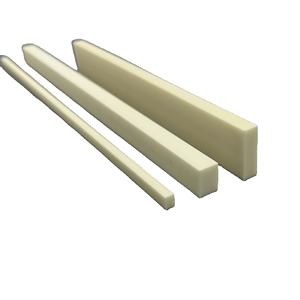
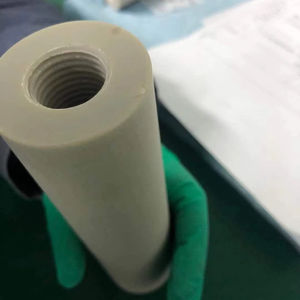
Machinable Thermal Conductive Aluminum Nitride Ceramic Structural Part
Large Diameter Customized Aluminum Nitride Ceramic Disc
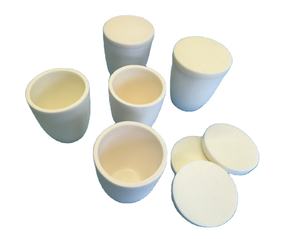
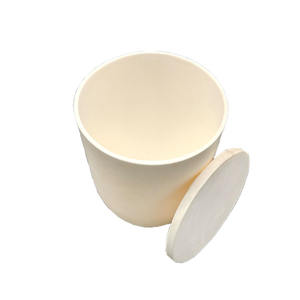
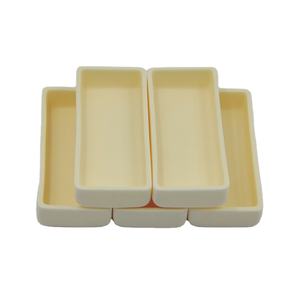
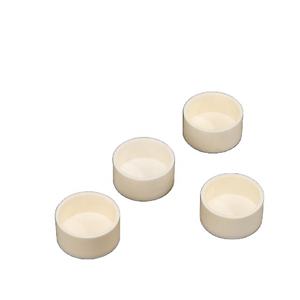
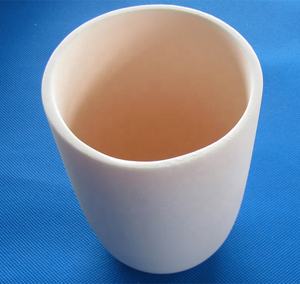
Aluminum Nitride Ceramic Crucible and Ceramic Boat for High Temperature
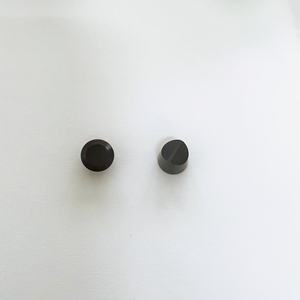
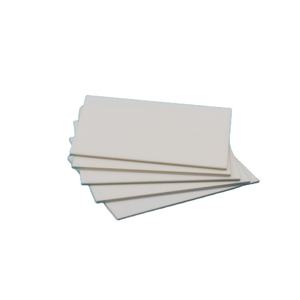
Aluminum Nitride Ceramic Thermal Pads for MOSFET Transistor IGBT
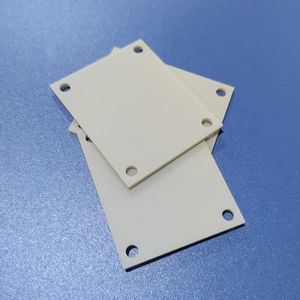
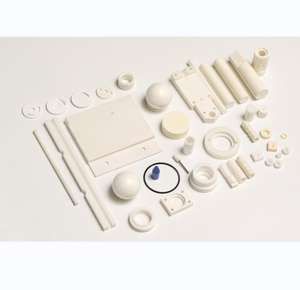
Customize Different Shape Aluminum Nitride Ceramic Parts and Components
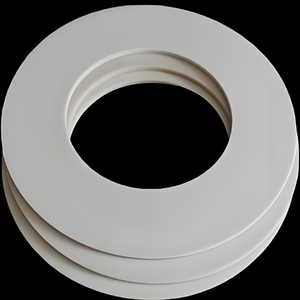
Aluminum Nitride Powder Ceramic CAS 24304 00 5 Chemical Grade
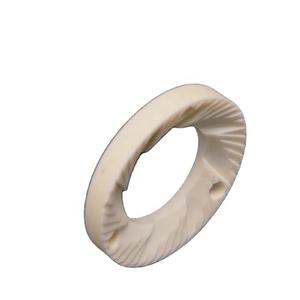
Aluminum Nitride Insulating Ceramic for Metal Melting Applications
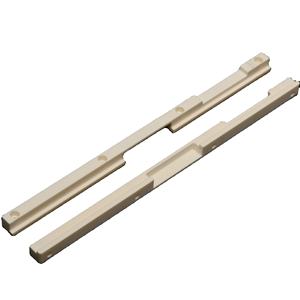
Active Metal Brazed AMB Copper Coated Aluminum Nitride Ceramic Sheet
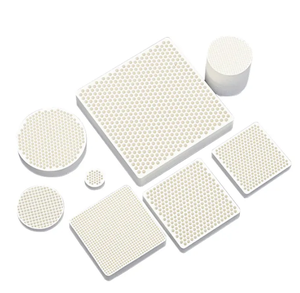
Metallized AIN Substrate with AMB Technology and OSP Treatment
High Thermal Conductivity Metallized Aluminum Nitride Ceramic Substrate
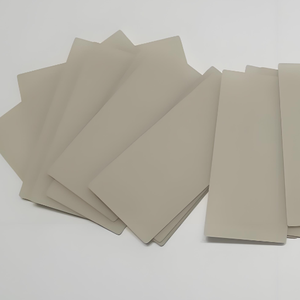
Aluminum Nitride Ceramic High Purity CAS 24304 00 5 Best
Overview of Aluminum Nitride Ceramic
Aluminum Nitride (AlN) is an advanced technical ceramic composed of aluminum and nitrogen. It is a covalent-bonded material primarily valued for its exceptional thermal conductivity combined with strong electrical insulating properties, making it a critical material in modern high-power and high-frequency electronic applications.
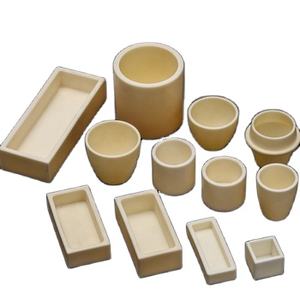
Features of Aluminum Nitride Ceramic
- High Thermal Conductivity: Rivals that of beryllium oxide (BeO) and some metals (70-200+ W/mK), efficiently dissipating heat.
- Excellent Electrical Insulator: High electrical resistivity and low dielectric loss.
- Thermal Shock Resistant: Withstands rapid temperature changes due to low thermal expansion coefficient (close to silicon).
- Non-Toxic: A safe alternative to toxic beryllium oxide.
- High Mechanical Strength & Hardness: Good structural integrity at room and elevated temperatures.
- Chemical Stability: Resistant to many molten salts and metals, but can hydrolyze in moist atmospheres at high temperatures.
Applications of Aluminum Nitride Ceramic
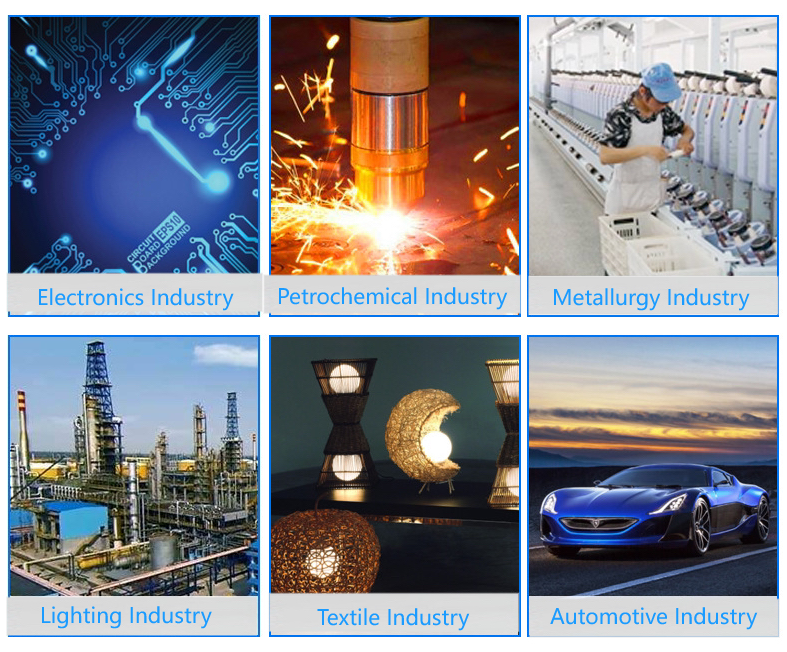
- Electronics & Semiconductor: Substrates for high-power ICs, chip carriers, heatsinks, and insulators.
- LED Industry: Heat spreaders for high-brightness LED packages.
- RF & Microwave: Components for communication devices and radar systems.
- Power Modules: Baseplates and substrates in electric vehicles (EVs) and power electronics.
- Industrial: Crucibles for metal melting, parts for plasma etching equipment, and thermal processing fixtures.
Company Profile
Synthetic-chemical focus on the research and development, production and sales of ceramic products, serving the electronics, ceramics, chemical and other industries. Since its establishment in 2015, the company has been committed to providing customers with the best products and services, and has become a leader in the industry through continuous technological innovation and strict quality management.
Our products includes but not limited to Aluminum Nitride, Aluminum Oxide, Boron Carbide, Boron Nitride, Ceramic Crucible, ect. If you are interested in any type of these, please feel free to contact us.

Payment Term
L/C, T/T, Western Union, Paypal, Credit Card etc.

Shipment Term
By sea, by air, by express, as customers request.
5 FAQs of Aluminum Nitride Ceramic
1. Is aluminum nitride ceramic toxic?
No, unlike beryllium oxide (BeO), it is non-toxic and safe to handle, which is a major advantage.
2. How does its thermal conductivity compare to alumina (Al₂O₃)?
AlN's thermal conductivity (70-200+ W/mK) is vastly superior to alumina (~25 W/mK), making it 5-10 times better at heat dissipation.
3. What is the main drawback of aluminum nitride?
It can be susceptible to moisture absorption at high temperatures, leading to surface hydrolysis. It also requires careful processing and is more expensive than alumina.
4. Can aluminum nitride be metallized for electronic packaging?
Yes, it can be reliably metallized (e.g., with tungsten, molybdenum, or thin-film systems) to create circuit traces and allow for brazing or wire bonding.
5. Is aluminum nitride used for LED lights?
Yes, it is a key material as a heat spreader or substrate in high-power and high-brightness LED packages to manage the significant heat generated.