Next-Generation Ceramics: Unlocking Superior Properties for Industry

PRODUCT PARAMETERS
Description
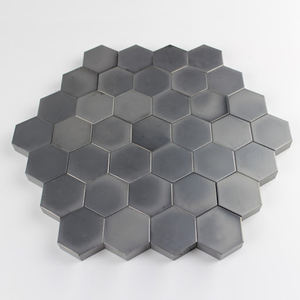
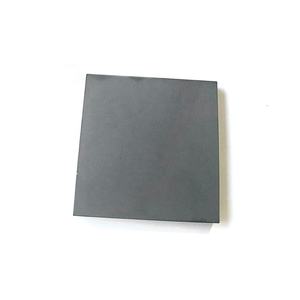
Overview of Abrasion Resistant Sintered Boron Carbide Ceramic Brick
Boron Carbide (B₄C) is an ultra-hard, lightweight ceramic renowned as one of the hardest man-made materials, second only to cubic boron nitride and diamond. This exceptional hardness, combined with its low density, makes it the premier choice for extreme armor and abrasive applications under demanding conditions.
Features of Abrasion Resistant Sintered Boron Carbide Ceramic Brick
- Extreme Hardness: One of the hardest known substances (~9.5 Mohs), offering superior wear and abrasion resistance.
- Very Low Density: Significantly lighter than metals and other armor ceramics like alumina and silicon carbide.
- High Neutron Absorption Cross-Section: Excellent at absorbing neutrons, making it vital for nuclear reactor control rods and shielding.
- Good Chemical Resistance: Inert to most acids and alkalis.
- High Melting Point: Maintains structural integrity at very high temperatures.
Specifications of Abrasion Resistant Sintered Boron Carbide Ceramic Brick
Abrasion immune sintered boron carbide ceramic blocks supply outstanding defense against wear. These blocks are made from boron carbide powder. The powder is pressed and warmed to an extremely heat. This process creates a strong, thick product. Boron carbide is very tough. Only diamond is harder. This hardness makes it ideal for hard settings. The bricks endure continuous rubbing and scraping. They last much longer than steel or various other porcelains. This conserves money over time because replacements are needed less commonly.
These ceramic blocks have a limited, great grain structure. This structure comes from the sintering method. It avoids fragments from breaking short easily. The blocks stand up to effects well. They handle sudden shocks without cracking. This is necessary in mining or material handling. Heavy equipment commonly triggers effects. Boron carbide bricks stand up under this anxiety. They also stand up to heats. The bricks function well even over 500 degrees Celsius. Warm does not harm them quickly. This fits them for warm processes.
The blocks are available in common dimensions. Common dimensions are 100mm x 50mm x 20mm or 150mm x 100mm x 25mm. Customized dimensions are additionally feasible. The surface area is smooth and even. It does not need additional completing. Installment is uncomplicated. The bricks attach to equipment surface areas using unique adhesives or mechanical fixtures. They fit chutes, hoppers, cyclones, and pipe bends. These locations see hefty abrasion. The bricks shield the underlying steel. This avoids leakages and prolongs equipment life.
Boron carbide ceramic bricks are chemically steady. They do not react with the majority of acids or alkalis. This makes them secure for chemical plants. Water or solvents do not influence them. They stay strong in damp problems. Their reduced weight is an additional benefit. Boron carbide blocks are lighter than steel wear plates. This reduces the tons on machinery. Less weight means much less energy is needed to move tools. On the whole, these bricks provide trusted, lasting wear security. They cut downtime and upkeep prices dramatically.
Applications of Abrasion Resistant Sintered Boron Carbide Ceramic Brick
Boron carbide ceramic bricks are really hard. They stand up to wear exceptionally well. These blocks are made by sintering. Sintering bonds boron carbide powder under high heat and pressure. This process produces a thick, difficult product. It’s much tougher than steel. It’s more challenging than many various other porcelains too. This hardness battle abrasion effectively. Abrasion suggests using down by rubbing or scuffing. These blocks handle continuous rubbing.
Numerous markets need this sturdiness. Mining uses these bricks heavily. They line chutes and receptacles. Ore and rock continuously circulation with these locations. The blocks secure the equipment surfaces. This decreases use damage significantly. It conserves money on replacements. Nuclear power plant also rely on these bricks. Coal-fired plants deal with rough coal ash. The blocks line ash handling systems. They hold up against the sandy flow. This stops erosion of pipelines and air ducts.
Steel manufacturing finds them beneficial also. They secure areas taking care of resources. Iron ore pellets are really abrasive. The bricks shield surfaces from continuous effect and scratching. Concrete production is an additional application. Basic material like sedimentary rock are rough. Managing tools needs strong protection. Boron carbide bricks offer long service life. Chemical plants use them where destructive slurries flow. The blocks stand up to both chemical attack and mechanical wear. They are suitable for harsh environments.
The vital advantage is long life. Devices lasts a lot longer. Maintenance expenses go down. Downtime for repairs is reduced. Manufacturing efficiency enhances. These bricks are a useful option for severe wear troubles. They offer trusted defense against abrasion.

Company Profile
Synthetic-chemical focus on the research and development, production and sales of ceramic products, serving the electronics, ceramics, chemical and other industries. Since its establishment in 2015, the company has been committed to providing customers with the best products and services, and has become a leader in the industry through continuous technological innovation and strict quality management.
Our products includes but not limited to Aluminum Nitride, Aluminum Oxide, Boron Carbide, Boron Nitride, Ceramic Crucible, ect. If you are interested in any type of these, please feel free to contact us.

Payment Methods
T/T, Western Union, Paypal, Credit Card etc.
Shipment Methods
By air, by sea, by express, as customers request.
5 FAQs of Abrasion Resistant Sintered Boron Carbide Ceramic Brick
What is this boron carbide brick?
This brick is a super hard ceramic made from boron carbide powder. Manufacturers press and heat the powder to make it solid. This process is called sintering. It creates an extremely dense and tough material. The brick resists wear incredibly well. It lasts much longer than steel in tough conditions. People use it where things rub or wear down fast.
Why is it so hard?
Boron carbide itself is one of the hardest materials known. Only diamond and one other material are harder. The sintering process makes the brick even stronger. It locks the boron carbide crystals together tightly. This makes the brick nearly impossible to scratch or break under pressure. Its hardness protects surfaces from wearing away quickly.
Where do people use these bricks?
These bricks protect equipment in rough industries. Mining operations use them in chutes and hoppers. They line areas where rocks and ore slide constantly. Power plants use them where coal flows fast. Factories handling tough powders need them too. Anywhere heavy, abrasive materials move, these bricks shield the equipment underneath.
How do you put the bricks in place?
You attach the bricks to metal surfaces with special glue. This glue is called an epoxy adhesive. Workers clean the metal surface very well first. They apply the epoxy glue thickly. They press the brick firmly onto the glue. The epoxy holds the brick securely. It withstands the vibration and impacts common in industrial settings.
Are there any limits?
Yes, boron carbide bricks are brittle. They handle wear from rubbing extremely well. They do not handle sharp, heavy impacts as well. A big rock hitting the corner might chip it. They are also expensive. They cost more upfront than steel or other ceramics. The long life often makes them cheaper over time though.
REQUEST A QUOTE
RELATED PRODUCTS
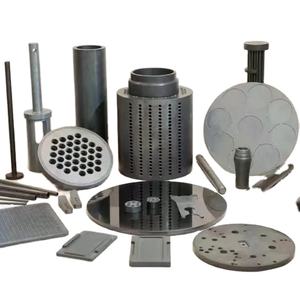
High Hardness Boron Carbide Square Hexagon Tiles
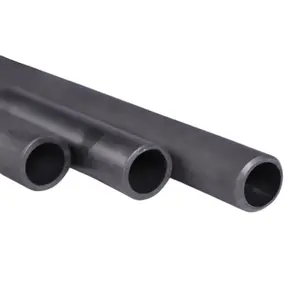
Custom Boron Carbide Hexagonal Body Armor Tiles
High Modulus Boron Carbide Single Curved Hexagon Plate
Lightweight SW40 Body Protection Boron Carbide Tiles
Hot Pressed Wear Resistant Boron Carbide Square Plate