Next-Generation Ceramics: Unlocking Superior Properties for Industry

PRODUCT PARAMETERS
Description
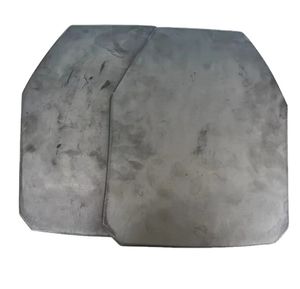
Overview of Boron Carbide and Silicon Carbide Ballistic Armor Plates
Boron Carbide (B₄C) is an ultra-hard, lightweight ceramic renowned as one of the hardest man-made materials, second only to cubic boron nitride and diamond. This exceptional hardness, combined with its low density, makes it the premier choice for extreme armor and abrasive applications under demanding conditions.
Features of Boron Carbide and Silicon Carbide Ballistic Armor Plates
- Extreme Hardness: One of the hardest known substances (~9.5 Mohs), offering superior wear and abrasion resistance.
- Very Low Density: Significantly lighter than metals and other armor ceramics like alumina and silicon carbide.
- High Neutron Absorption Cross-Section: Excellent at absorbing neutrons, making it vital for nuclear reactor control rods and shielding.
- Good Chemical Resistance: Inert to most acids and alkalis.
- High Melting Point: Maintains structural integrity at very high temperatures.
Specifications of Boron Carbide and Silicon Carbide Ballistic Armor Plates
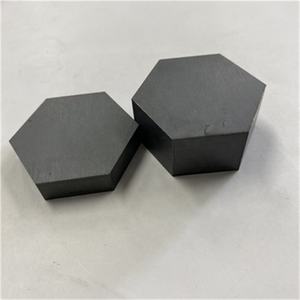
Boron carbide and silicon carbide are top choices for modern ballistic shield plates. Both materials give impressive protection versus bullets. Boron carbide is just one of the hardest synthetic materials. This severe firmness assists shatter bullets on effect. Boron carbide plates are also extremely light-weight. This low weight decreases stress on the wearer during long objectives. You get high-level security without heavy worry. This material stands out against high-velocity rifle rounds. Boron carbide plates meet stringent armed forces standards like NIJ Level IV. They stop armor-piercing risks effectively. This performance makes boron carbide suitable for soldiers and police facing extreme dangers. It supplies the most effective weight-to-protection proportion readily available today.
Silicon carbide is an additional exceptional ceramic shield product. It is nearly as hard as boron carbide. Silicon carbide layers deal excellent ballistic stopping power as well. They manage several typical rifle dangers reliably. Silicon carbide shield is really hard and resilient. It withstands breaking and damages well. This strength ensures reputable efficiency gradually. Silicon carbide plates are generally more economical than boron carbide plates. This expense difference makes them a useful choice. Many police select silicon carbide armor. It supplies solid security at a great price point. This material equilibriums performance and spending plan well.
Applications of Boron Carbide and Silicon Carbide Ballistic Armor Plates
Boron carbide and silicon carbide are leading choices for modern-day ballistic armor plates. Both are very difficult porcelains. They are used to quit bullets and fragments successfully. These plates use solid protection while keeping weight workable. Soldiers and law enforcement agents commonly use them. Protection groups in high-risk locations rely on them also. The plates match vests and vehicle panels. They secure the wearer from high-velocity risks.
Boron carbide is very tough. It is lighter than various other armor products like steel. This lightweight nature is critical for body armor. Soldiers need to move promptly without heavy equipment. Boron carbide plates manage rifle rounds well. They prevail in armed forces personal shield. Unique pressures favor them for requiring goals. Home plates shield against armor-piercing bullets properly. They are much more expensive than silicon carbide. The cost reflects their exceptional efficiency.
Silicon carbide is additionally extremely tough. It supplies outstanding ballistic security at a lower rate. This makes it a popular option for numerous applications. Cops departments frequently utilize silicon carbide plates. Security firms outfit their personnel with them as well. Home plates are tough and long lasting. They stand up to fracturing under impact better than some porcelains. This longevity benefits automobile shield applications. Armored vehicles need plates that last. Silicon carbide layers safeguard versus common ballistic threats dependably. They are a strong, cost-efficient remedy.
Both products save lives. They stop bullets that would otherwise trigger major injury or death. The selection depends on the certain hazard level needed. Budget plan considerations additionally matter. Boron carbide gives top-tier protection for the greatest threats. Silicon carbide provides solid performance for usual hazards at a better rate factor. Suppliers form these ceramics right into plates. They bond them to tough support materials. This produces a split system. The ceramic shatters the bullet. The support captures the pieces. This teamwork makes sure maximum safety and security for the individual.

Company Profile
Synthetic-chemical focus on the research and development, production and sales of ceramic products, serving the electronics, ceramics, chemical and other industries. Since its establishment in 2015, the company has been committed to providing customers with the best products and services, and has become a leader in the industry through continuous technological innovation and strict quality management.
Our products includes but not limited to Aluminum Nitride, Aluminum Oxide, Boron Carbide, Boron Nitride, Ceramic Crucible, ect. If you are interested in any type of these, please feel free to contact us.

Payment Methods
T/T, Western Union, Paypal, Credit Card etc.
Shipment Methods
By air, by sea, by express, as customers request.
5 FAQs of Boron Carbide and Silicon Carbide Ballistic Armor Plates
Boron carbide and silicon carbide plates are ceramic armor materials. They stop bullets effectively. Both are common in body armor applications. People often have questions about them.
What are boron carbide and silicon carbide plates? They are hard ceramics used in bulletproof armor. Boron carbide is very hard. Silicon carbide is also extremely hard. Both materials work by shattering incoming bullets. This action absorbs the energy. This stops the projectile.
Why choose these ceramics? They offer great protection relative to their weight. They are much lighter than steel armor plates. This makes them easier to wear. Lighter armor reduces fatigue for the user. Protection levels are high against common threats.
What’s the difference between boron carbide and silicon carbide? Boron carbide is lighter than silicon carbide. It provides excellent protection. But it can be more brittle. Silicon carbide is slightly heavier. But it is generally tougher. It might handle multiple hits better in some cases. The choice depends on specific needs.
How are these plates made? Manufacturers start with fine powders. They press the powder under high pressure. Then they heat it to very high temperatures. This process is called sintering. Sintering bonds the particles together. It creates a solid, hard plate. The plates are then shaped and fitted into carriers.
How should these plates be cared for? Handle them carefully. Avoid dropping them. Dropping can cause cracks. Even small cracks weaken the armor. Inspect plates regularly for damage. Look for chips or cracks. Replace damaged plates immediately. Store them properly. Keep them dry and avoid extreme temperatures. Follow the manufacturer’s specific care instructions.
REQUEST A QUOTE
RELATED PRODUCTS
High Temperature Custom Boron Carbide Ceramic Parts
Custom Size Hot Pressed Boron Carbide for Safety
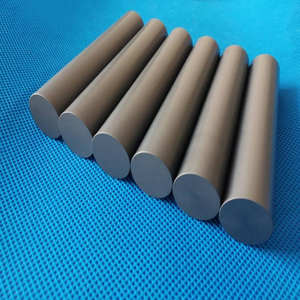
Precision Machined Boron Carbide Ceramic Square Mold
Wear Resistant Boron Carbide Ceramic Blasting Nozzle
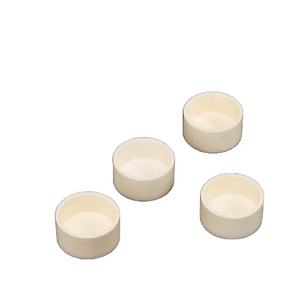
Aluminum Jacket Boron Carbide Straight Bore Nozzle