Next-Generation Ceramics: Unlocking Superior Properties for Industry

Boron Carbide Ceramic
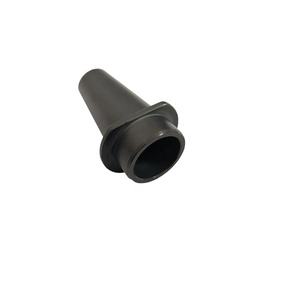
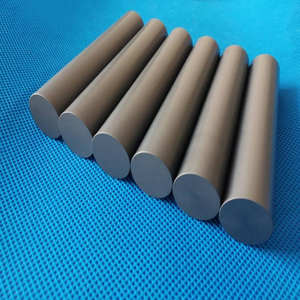
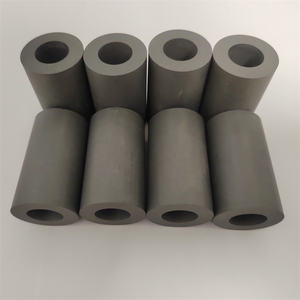
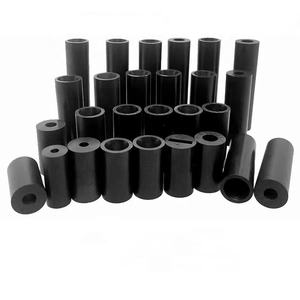
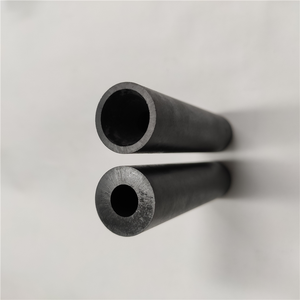
Boron Carbide Solid Round Bar Ceramic Material
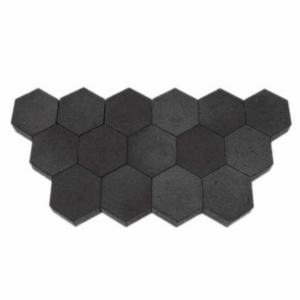
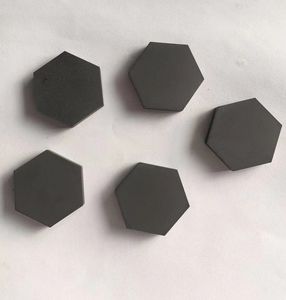
High Hardness Boron Carbide Square Hexagon Tiles
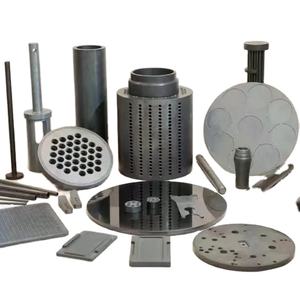
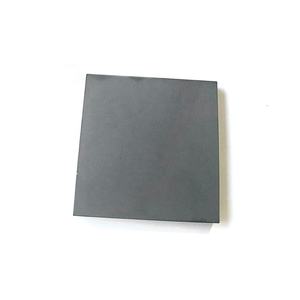
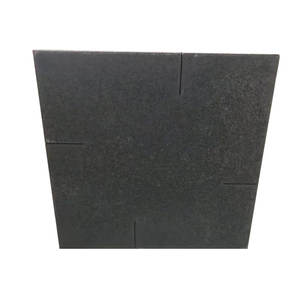
Superb Quality Boron Carbide Ceramic Plate Block
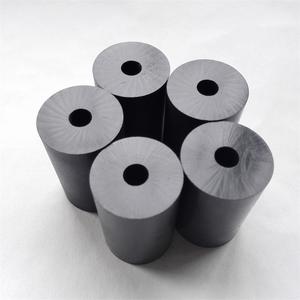
Factory Direct Boron Carbide Ceramic Cutter Knives
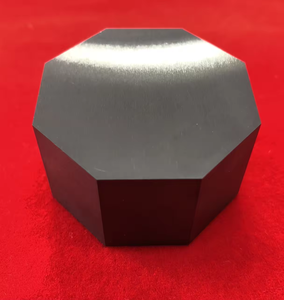
Hot Pressed Boron Carbide Ceramic for Neutron Absorption
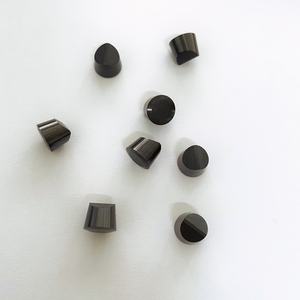
Wear Resistant Boron Carbide Ceramic for Body Protection
Precision Machined Boron Carbide Ceramic Square Mold
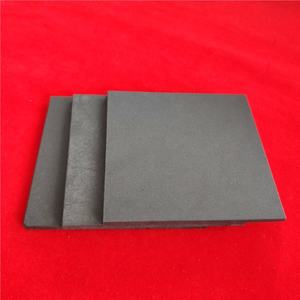
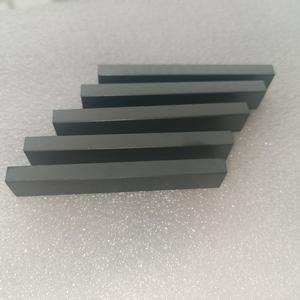
Custom Size High Hardness Boron Carbide Ceramic Strips
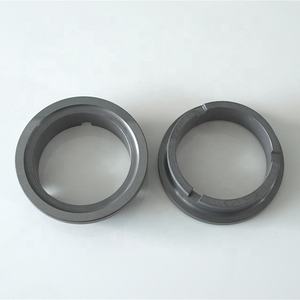
High Performance Boron Carbide Ceramic E Core
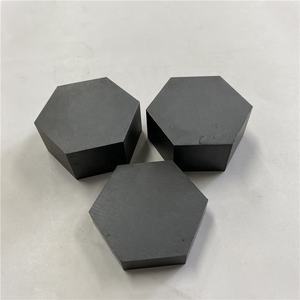
Custom Erosion Resistant Boron Carbide Ceramic Discs
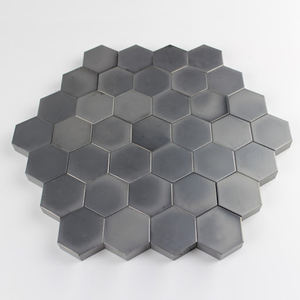
Neutron Absorbing Boron Carbide Ceramic Plates
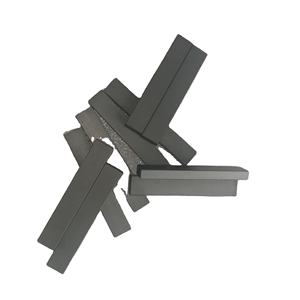
Boron Carbide Ceramic Rectangular Prism
Overview of Boron Carbide Ceramic
Boron carbide (B₄C) is a synthetic, ultra-hard ceramic material, ranking third in hardness behind diamond and cubic boron nitride. It is produced through high-temperature processes like carbothermic reduction. Known for its exceptional combination of properties, it is a critical material in advanced industrial and defense sectors.
Features of Boron Carbide Ceramic
- Extreme Hardness & Wear Resistance: ≈ 9.5 Mohs scale, ideal for abrasive and wear-prone environments.
- Low Density: Very lightweight (≈2.52 g/cm³) for a material of such hardness.
- High Neutron Absorption Cross-Section: Effectively absorbs neutrons, making it suitable for nuclear applications.
- Chemical Inertness: Resistant to most acids and alkalis.
- High Melting Point: ≈ 2,450°C, providing excellent thermal stability.
- Brittleness: Its main drawback is low fracture toughness, which can limit some structural applications.
Applications of Boron Carbide Ceramic
- Personal & Vehicle Armor: Used in ballistic plates and helicopter seats due to its hard/lightweight properties.
- Industrial Abrasives: Employed in abrasive water jets, grinding media, and lapping/polishing powders.
- Nuclear Industry: Utilized in control rods, shielding, and neutron-absorbent pellets.
- Nozzles: For high-pressure water jet cutters and sandblasting due to wear resistance.
- Other Uses: Ceramic bearings, wear parts, and refractory applications.
Company Profile
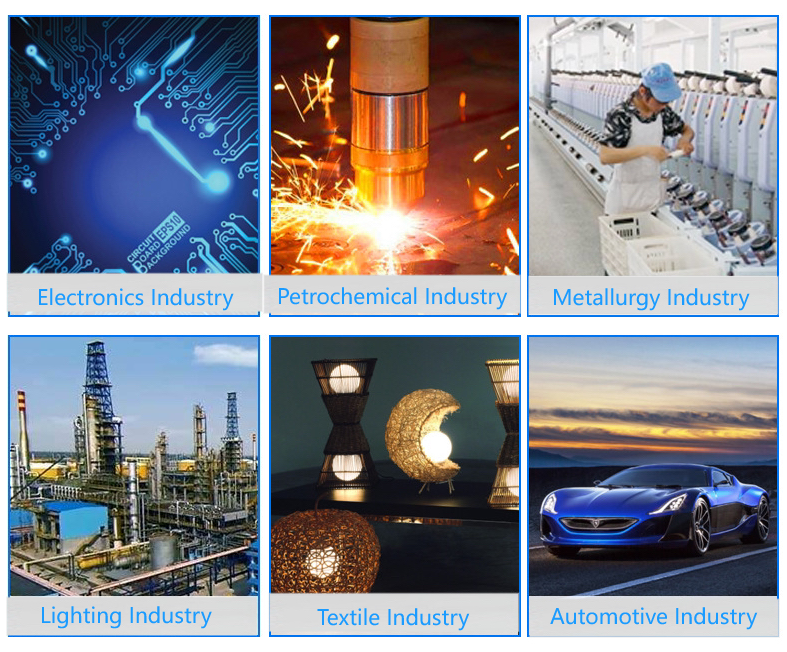
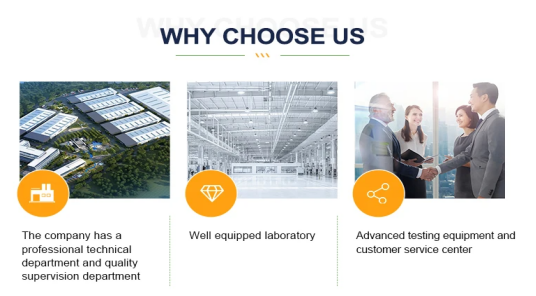
Synthetic-chemical focus on the research and development, production and sales of ceramic products, serving the electronics, ceramics, chemical and other industries. Since its establishment in 2015, the company has been committed to providing customers with the best products and services, and has become a leader in the industry through continuous technological innovation and strict quality management.
Our products includes but not limited to Aluminum Nitride, Aluminum Oxide, Boron Carbide, Boron Nitride, Ceramic Crucible, ect. If you are interested in any type of these, please feel free to contact us.
Payment Term
L/C, T/T, Western Union, Paypal, Credit Card etc.

Shipment Term
By sea, by air, by express, as customers request.
5 FAQs of Boron Carbide Ceramic
1. Is boron carbide harder than tungsten carbide?
Yes, significantly harder. Boron carbide is a ceramic, while tungsten carbide is a cemented carbide/cermet, making B₄C better for extreme abrasion but more brittle.
2. Why is boron carbide used in body armor?
Its exceptional hardness shatters incoming projectiles, while its low density keeps armor plates light and wearable.
3. What are its limitations?
Its primary limitation is brittleness (low fracture toughness), making it susceptible to cracking under high impact or tensile stress.
4. Can it be machined easily?
No. Due to its extreme hardness, it can only be machined using diamond grinding tools or electrical discharge machining (EDM) in some cases.
5. Is boron carbide resistant to chemicals?
Yes, it has excellent chemical resistance, particularly to acids, but can be attacked by hot, concentrated alkalis.