Next-Generation Ceramics: Unlocking Superior Properties for Industry

PRODUCT PARAMETERS
Description
Overview of Advanced Technical Ceramic of Boron Nitride
Boron Nitride (BN) exists in multiple polymorphs, with Hexagonal Boron Nitride (h-BN) being the most common ceramic form. Often called “white graphite” due to its similar layered, lubricious structure, it is distinguished by its exceptional thermal stability, electrical insulation, and chemical inertness, even at extreme temperatures.
Features of Advanced Technical Ceramic of Boron Nitride
- High Thermal Conductivity & Excellent Electrical Insulation: Unique combination that allows it to conduct heat like a metal but insulate like a ceramic.
- Outstanding Thermal Shock Resistance: Can be heated and cooled rapidly without cracking.
- Natural Lubricity: Exhibits low friction and anti-stick properties, even at high temperatures.
- Chemically Inert: Resists wetting by and reaction with most molten metals, slags, and glasses.
- Machinable: Unlike most advanced ceramics, h-BN in its solid form can be machined to precision tolerances using conventional carbide tooling.
Specifications of Advanced Technical Ceramic of Boron Nitride
Advanced Technical Porcelain: Boron Nitride Specs
Material Structure
Boron nitride (BN) is a high-performance ceramic made from boron and nitrogen. It can be found in numerous types, yet the hexagonal type is most usual for commercial use. This kind looks like graphite but provides much better thermal and electrical properties.
Thermal Performance
This ceramic handles warmth very well. It stays stable up to 1,000 ° C in air and also higher in inert environments. Its thermal conductivity arrays from 30 to 60 W/m · K, relying on pureness and framework. That makes it fantastic for components that must move warm away swiftly without breaking down.
Electrical Features
Boron nitride is an excellent electrical insulator. Even at heats, it maintains its protecting strength. Its dielectric constant is low– typically between 3.5 and 4.0— which helps in reducing signal loss in electronic applications.
Mechanical Features
The material is light-weight yet solid. It has great machinability, so you can form it right into complicated components without unique devices. Its firmness is modest, which means it will not scrape delicate surfaces. Still, it resists wear and keeps its form under stress.
Chemical Resistance
Boron nitride does not respond with most molten metals, salts, or acids. It also resists oxidation much better than several various other ceramics. This stability makes it ideal for severe chemical environments or high-temperature processing.
Usual Applications
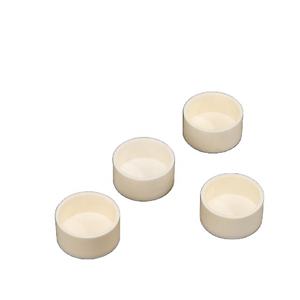
You’ll locate boron nitride in crucibles, insulators, semiconductor fixtures, and thermal user interface products. It’s additionally used in aerospace parts and lab equipment where integrity at high warm is vital. Due to the fact that it’s safe and clean, it functions well in food and medical setups as well.
Applications of Advanced Technical Ceramic of Boron Nitride
Applications of Advanced Technical Porcelain: Boron Nitride
High-Temperature Efficiency
Boron nitride sticks out for its capacity to deal with severe warmth. It stays secure also above 2,000 ° C in inert environments. This makes it perfect for parts utilized in high-temperature furnaces, like crucibles, insulators, and assistance fixtures. Unlike several metals or common ceramics, it does not melt, warp, or respond conveniently under extreme warmth.
Electric Insulation with Thermal Conductivity
Many materials that carry out heat well also perform electricity. Boron nitride breaks this regulation. It moves warmth efficiently while obstructing electric current. This one-of-a-kind mix is ideal for electronic devices that should stay great but protected– think power components, semiconductor product packaging, and high-frequency devices. Engineers rely on it to stop getting too hot without running the risk of short circuits.
Lubrication and Launch Properties
Boron nitride has a split structure comparable to graphite. This gives it natural lubricity, even in vacuum cleaner or high-heat setups where oils fall short. It functions well as a completely dry lube in aerospace elements and metal-forming devices. It likewise acts as a non-stick coating for molds made use of in glass or steel casting, assisting completed components release easily whenever.
Chemical Security and Purity
This ceramic withstands strike from liquified steels, salts, and several acids. It does not contaminate delicate processes, which is why it’s trusted in semiconductor production and lab tools. Its inert nature makes sure constant lead to atmospheres where purity matters most.
Machinability and Design Flexibility
Unlike many technological porcelains that are tough and breakable, boron nitride can be machined into intricate forms making use of conventional tools. This enables designers to create personalized parts quickly– without expensive sintering steps. From precision nozzles to specialized insulators, the material sustains both function and form.

Company Profile
Synthetic-chemical focus on the research and development, production and sales of ceramic products, serving the electronics, ceramics, chemical and other industries. Since its establishment in 2015, the company has been committed to providing customers with the best products and services, and has become a leader in the industry through continuous technological innovation and strict quality management.
Our products includes but not limited to Aluminum Nitride, Aluminum Oxide, Boron Carbide, Boron Nitride, Ceramic Crucible, ect. If you are interested in any type of these, please feel free to contact us.

Payment Methods
T/T, Western Union, Paypal, Credit Card etc.
Shipment Methods
By air, by sea, by express, as customers request.
5 FAQs of Advanced Technical Ceramic of Boron Nitride
Frequently Asked Questions About Advanced Boron Nitride Ceramics
What is boron nitride ceramic?
Boron nitride ceramic is a high-performance material made from boron and nitrogen. It comes in different forms, but the most common for technical use is hexagonal boron nitride (h-BN). This type looks like graphite but has excellent thermal stability and electrical insulation.
Why choose boron nitride over other ceramics?
Boron nitride stands out because it handles very high temperatures without breaking down. It also does not conduct electricity, which makes it safe for electronic parts. Unlike many ceramics, it resists thermal shock and stays stable in harsh environments.
Where is boron nitride ceramic used?
You’ll find it in aerospace components, semiconductor manufacturing tools, and high-temperature crucibles. It’s also used in cosmetics and lubricants, but advanced technical grades go into precision industrial applications where heat and purity matter most.
Is boron nitride easy to machine?
Yes. Compared to other technical ceramics like alumina or silicon carbide, boron nitride is softer and can be shaped with standard tools. This makes it easier to produce complex parts without costly diamond tooling.
Does boron nitride react with other materials?
Generally, no. Boron nitride is chemically inert. It does not react with most molten metals, salts, or acids, even at high temperatures. This property makes it ideal for containers and linings in metal processing and lab equipment.
REQUEST A QUOTE
RELATED PRODUCTS
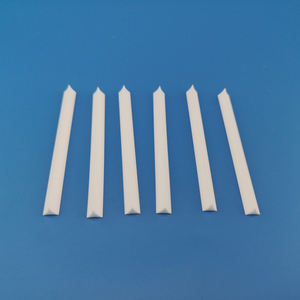
Boron Nitride Ceramic Stripe Special Shaped Customized
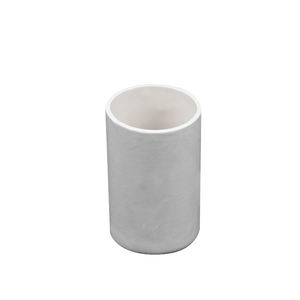
Hot Pressing Boron Nitride Ceramic Protective Sleeve
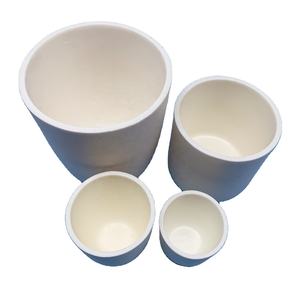
Boron Nitride Ceramic Thermal Insulation Factory
Zirconia Boron Nitride Composite Ceramic Part
Boron Nitride Ceramic Tube Rod Plate Heat Sink Full