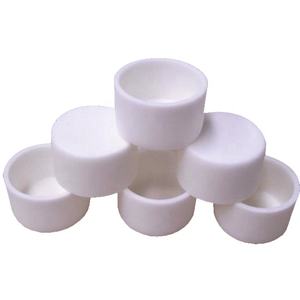
Next-Generation Ceramics: Unlocking Superior Properties for Industry

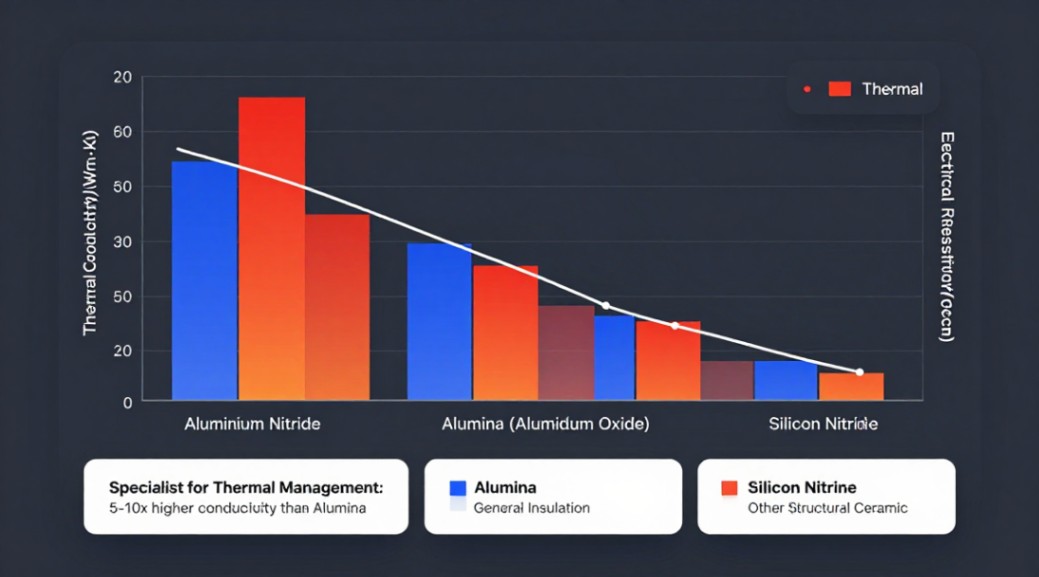
PRODUCT PARAMETERS
Description
Overview of Aluminum Nitride Boron Nitride Composite Ceramics
Boron Nitride (BN) exists in multiple polymorphs, with Hexagonal Boron Nitride (h-BN) being the most common ceramic form. Often called “white graphite” due to its similar layered, lubricious structure, it is distinguished by its exceptional thermal stability, electrical insulation, and chemical inertness, even at extreme temperatures.
Features of Aluminum Nitride Boron Nitride Composite Ceramics
- High Thermal Conductivity & Excellent Electrical Insulation: Unique combination that allows it to conduct heat like a metal but insulate like a ceramic.
- Outstanding Thermal Shock Resistance: Can be heated and cooled rapidly without cracking.
- Natural Lubricity: Exhibits low friction and anti-stick properties, even at high temperatures.
- Chemically Inert: Resists wetting by and reaction with most molten metals, slags, and glasses.
- Machinable: Unlike most advanced ceramics, h-BN in its solid form can be machined to precision tolerances using conventional carbide tooling.
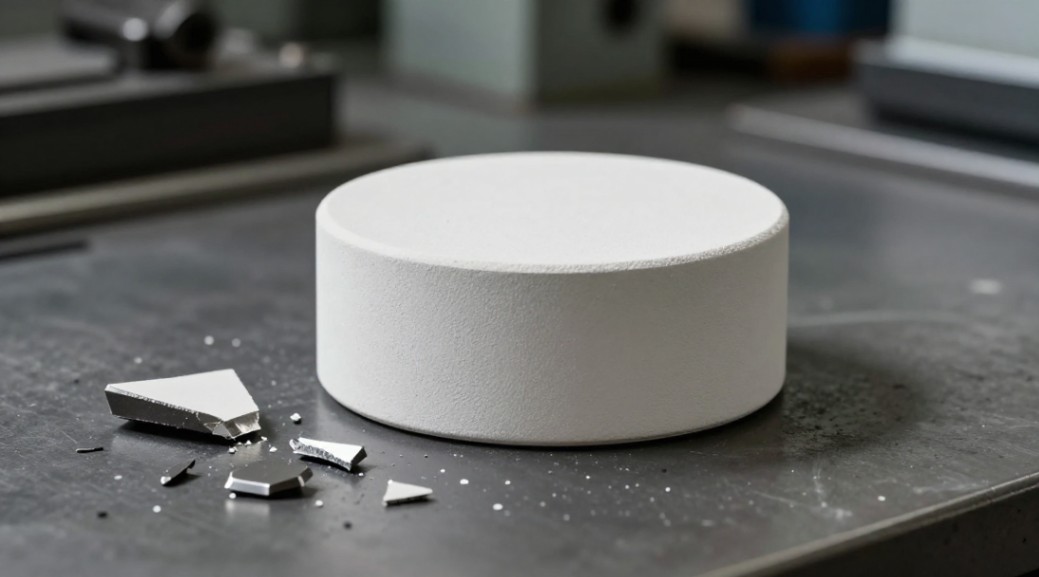
Specifications of Aluminum Nitride Boron Nitride Composite Ceramics
Light Weight Aluminum Nitride Boron Nitride Composite Ceramics– Technical Specifications
Material Structure
This composite ceramic combines light weight aluminum nitride (AlN) and hexagonal boron nitride (h-BN). The conventional solution consists of 70– 90% AlN by weight, with the remainder as h-BN. Both products are high-purity powders, usually ≥ 99.5%. The blend is crafted to balance thermal performance with machinability.
Thermal Properties
The composite shows strong heat-handling capability. Its thermal conductivity varies from 80 to 160 W/m · K, depending on the AlN content and grain placement. It keeps stability approximately 1,400 ° C in inert environments and approximately 800 ° C in air . The coefficient of thermal development rests in between 4.0 and 5.5 × 10 ⁻⁶/ K (25– 400 ° C), which carefully matches several semiconductor products.
Electric Attributes
It serves as an excellent electrical insulator. Volume resistivity goes beyond 10 ¹⁴ Ω · centimeters at room temperature level. The dielectric constant is low, typically 7– 9 at 1 MHz, making it suitable for high-frequency applications. Dielectric loss tangent remains below 0.001 under the exact same problems.
Mechanical & Physical Features
The product is lightweight, with a density of 2.8– 3.2 g/cm SIX. Flexural stamina falls in the variety of 250– 350 MPa. While tough, it stays easier to equipment than pure AlN due to the lubricating impact of h-BN layers. Solidity steps around 12– 15 Grade point average on the Vickers scale.
Key Benefits
This composite deals high thermal conductivity , electric insulation , and good machinability in one package. It resists thermal shock well and functions reliably in demanding electronic and aerospace settings. The existence of h-BN lowers brittleness and enables complicated component forming without comprehensive post-processing.
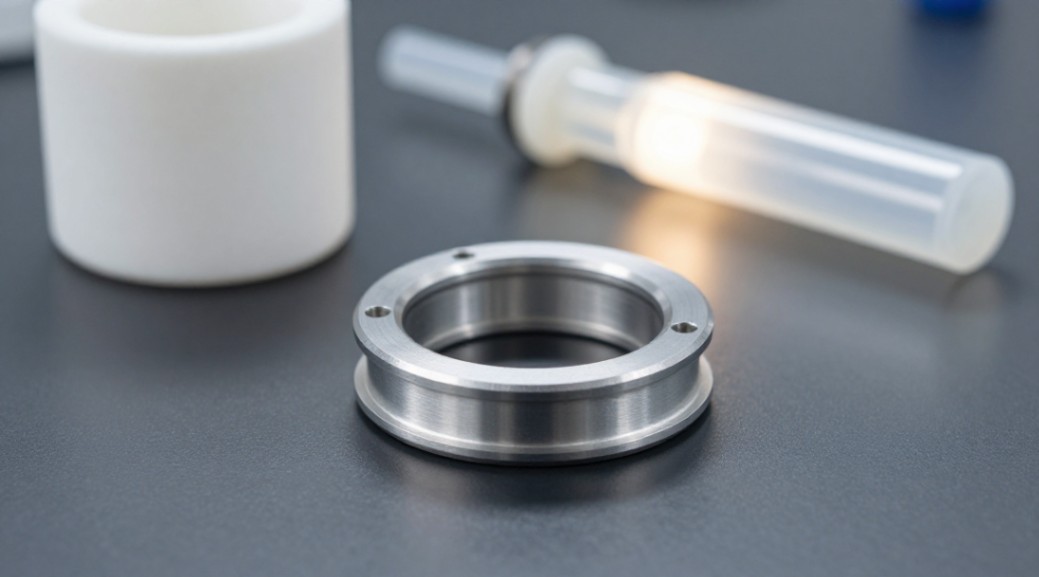
Applications of Aluminum Nitride Boron Nitride Composite Ceramics
Applications of Light Weight Aluminum Nitride– Boron Nitride Compound Ceramics
High-Performance Electronic devices
Aluminum nitride– boron nitride (AlN-BN) composite porcelains handle warmth very well. This makes them suitable for digital parts that get hot throughout usage. They are usually used in power modules, LED substrates, and high-frequency tools. Their strong ability to relocate heat away maintains elements running safely and efficiently.
Aerospace and Protection Systems
These porcelains function reliably under extreme problems. In aerospace, they assist develop radar systems, rocket advice units, and satellite components. The product stays steady at high temperatures and withstands unexpected modifications in heat. That’s why designers trust it for important defense applications where failing is not a choice.
Industrial Manufacturing Equipment
Manufacturing facilities make use of AlN-BN composites in devices that reduced or shape other materials. The ceramics stand up to wear and do not react quickly with molten metals. This is useful in metal casting and glass handling. Parts made from this composite last longer and minimize downtime for upkeep.
Specialized Sensors and Parts
Since the material is electrically insulating but thermally conductive, it suits sensing units that should run in rough atmospheres. Instances consist of stress sensors in engines or temperature level displays in chemical plants. The composite also works well in vacuum or inert atmospheres without breaking down.
Medical and Scientific Devices
In laboratories and health centers, accuracy issues. AlN-BN ceramics support gadgets like X-ray tubes and laser housings. They supply steady performance without disrupting delicate dimensions. Their clean surface and resistance to deterioration make them secure for duplicated sanitation.
These uses demonstrate how AlN-BN composite ceramics address real-world issues. Their mix of thermal management, electric insulation, and mechanical strength satisfies difficult needs across many areas.

Company Profile
Synthetic-chemical focus on the research and development, production and sales of ceramic products, serving the electronics, ceramics, chemical and other industries. Since its establishment in 2015, the company has been committed to providing customers with the best products and services, and has become a leader in the industry through continuous technological innovation and strict quality management.
Our products includes but not limited to Aluminum Nitride, Aluminum Oxide, Boron Carbide, Boron Nitride, Ceramic Crucible, ect. If you are interested in any type of these, please feel free to contact us.

Payment Methods
T/T, Western Union, Paypal, Credit Card etc.
Shipment Methods
By air, by sea, by express, as customers request.
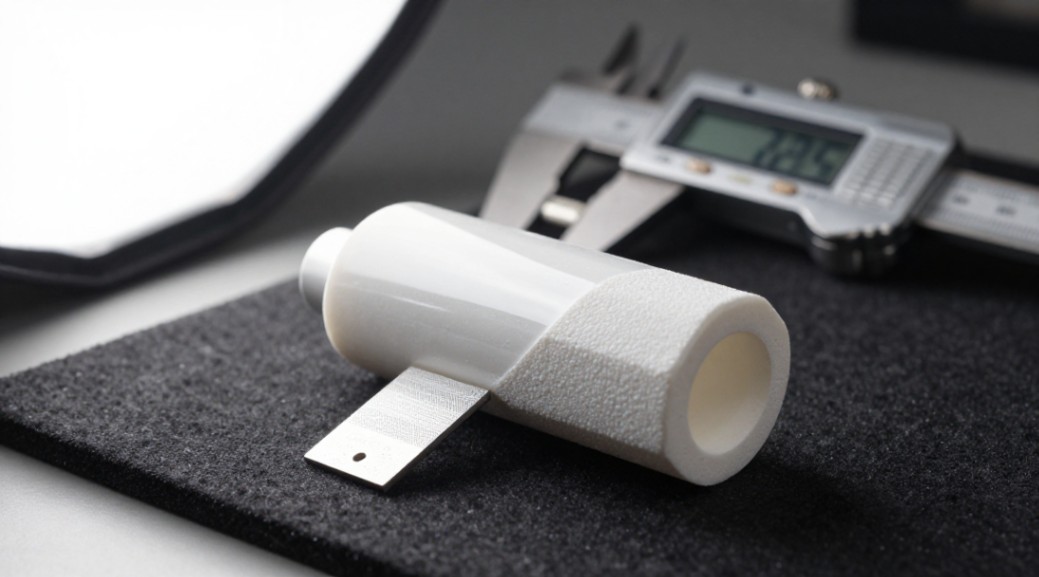
5 FAQs of Aluminum Nitride Boron Nitride Composite Ceramics
Frequently Asked Questions About Aluminum Nitride Boron Nitride Composite Ceramics
What is aluminum nitride boron nitride composite ceramic?
This material combines aluminum nitride (AlN) and boron nitride (BN). It keeps the high thermal conductivity of AlN and adds the electrical insulation and lubricity of BN. The result is a strong, heat-resistant ceramic used in demanding electronic and industrial applications.
Why choose this composite over pure aluminum nitride?
Pure aluminum nitride is brittle and hard to machine. Adding boron nitride improves machinability without losing much thermal performance. It also resists thermal shock better and handles mechanical stress more easily during manufacturing and use.
Is it electrically insulating?
Yes. Both aluminum nitride and boron nitride are excellent electrical insulators. The composite maintains this property, making it safe for use in high-voltage or sensitive electronic environments where stray currents must be avoided.
How well does it handle high temperatures?
Very well. The material stays stable at temperatures above 1,000°C in inert atmospheres. It does not melt or deform easily. This makes it ideal for furnace parts, semiconductor processing tools, and other high-heat settings.
Can it be shaped into complex parts?
Yes. Thanks to the boron nitride content, the composite can be machined after sintering using standard tools like diamond cutters. Designers can create intricate geometries—such as thin walls, slots, or holes—without cracking the material. This flexibility reduces production costs and speeds up prototyping.
REQUEST A QUOTE
RELATED PRODUCTS
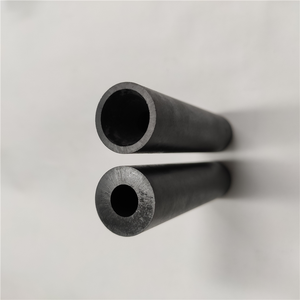
Boron Nitride Ceramic Parts Heat Resistant Insulator
Hot Pressing Boron Nitride Ceramic Protection Part High Temperature Resistance
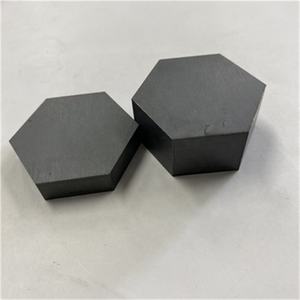
Boron Nitride Ceramic Crucible for Heating and Semiconductor
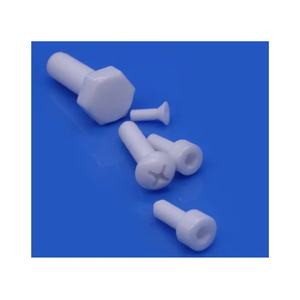
High Purity Boron Nitride Ceramic High Temperature Resistance Special Shaped
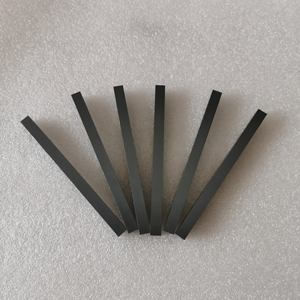
Boron Nitride Insulators High Thermal Conductivity Ceramics