Next-Generation Ceramics: Unlocking Superior Properties for Industry

PRODUCT PARAMETERS
Description
Overview of Boron Nitride Ceramic for Electronic Applications
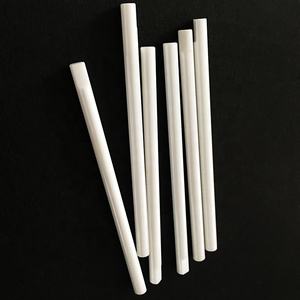
Boron Nitride (BN) exists in multiple polymorphs, with Hexagonal Boron Nitride (h-BN) being the most common ceramic form. Often called “white graphite” due to its similar layered, lubricious structure, it is distinguished by its exceptional thermal stability, electrical insulation, and chemical inertness, even at extreme temperatures.
Features of Boron Nitride Ceramic for Electronic Applications
- High Thermal Conductivity & Excellent Electrical Insulation: Unique combination that allows it to conduct heat like a metal but insulate like a ceramic.
- Outstanding Thermal Shock Resistance: Can be heated and cooled rapidly without cracking.
- Natural Lubricity: Exhibits low friction and anti-stick properties, even at high temperatures.
- Chemically Inert: Resists wetting by and reaction with most molten metals, slags, and glasses.
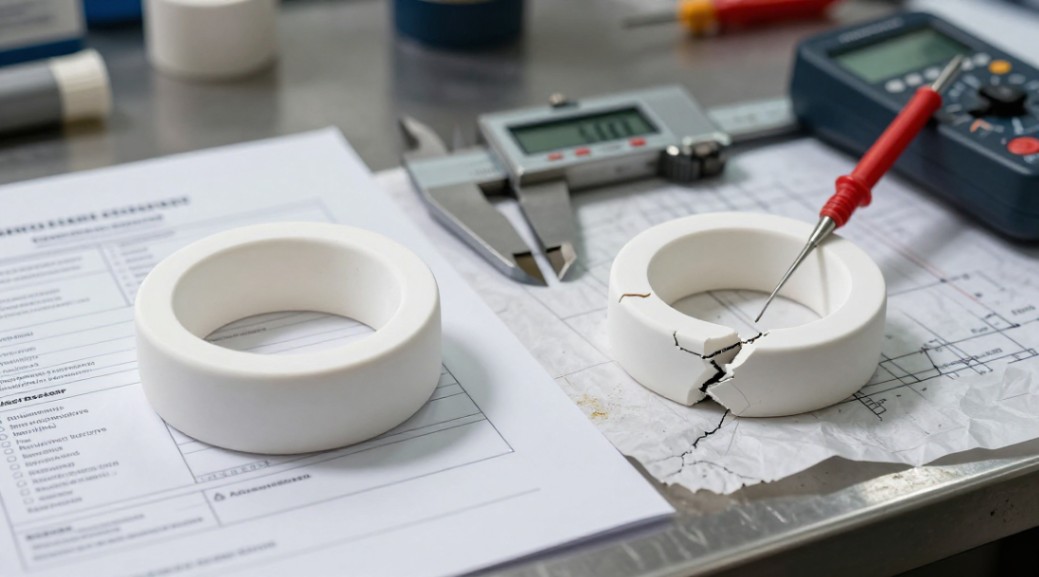
- Machinable: Unlike most advanced ceramics, h-BN in its solid form can be machined to precision tolerances using conventional carbide tooling.
Specifications of Boron Nitride Ceramic for Electronic Applications
Specifications of Boron Nitride Ceramic for Electronic Applications
Material Composition and Purity
Boron nitride (BN) ceramic made use of in electronics is made from high-purity hexagonal boron nitride. The material commonly includes over 99% BN. Pollutants like boron oxide or steel ions are maintained below 0.5% to avoid efficiency problems.
Thermal Residences
This ceramic has exceptional thermal conductivity– ranging from 30 to 60 W/m · K– depending upon its density and orientation. It also shows really low thermal expansion, normally around 2– 4 × 10 ⁻⁶/ ° C. These attributes aid components remain steady under fast temperature changes.
Electric Insulation
Boron nitride is a solid electric insulator. Its quantity resistivity surpasses 10 ¹⁴ Ω · centimeters at space temperature. Also at 500 ° C, it remains above 10 ¹⁰ Ω · centimeters. The dielectric strength is about 15– 25 kV/mm, making it risk-free for high-voltage usages.
Mechanical Attributes
The material is lightweight and easy to equipment. Its hardness is moderate– around 2 on the Mohs range– so it can be formed without unique tools. Flexural stamina varieties from 40 to 70 MPa. Though not as tough as alumina, it supplies enough strength for most electronic fixtures.
Chemical Stability
Boron nitride resists oxidation as much as 850 ° C in air. It does not react with the majority of liquified metals, acids, or alkalis. This makes it ideal for extreme atmospheres like semiconductor processing chambers.
Typical Kinds and Resistances
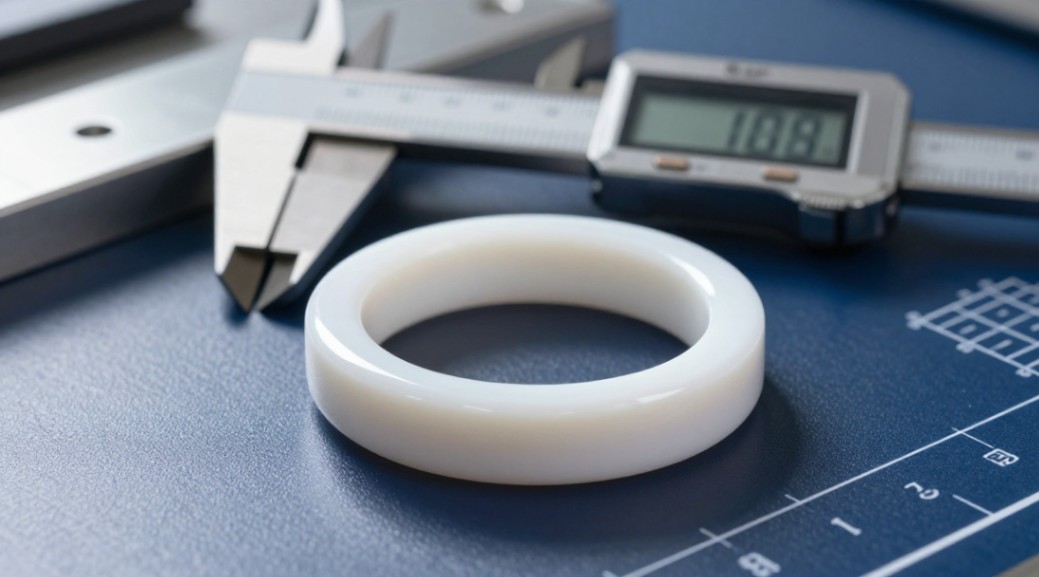
Distributors supply BN ceramic as plates, rods, tubes, and custom forms. Standard dimensional resistances are ± 0.1 mm, however tighter specs are feasible with precision machining. Surface area coatings can get to Ra 0.8 µm or much better when required for securing or thermal call.
Applications of Boron Nitride Ceramic for Electronic Applications
Applications of Boron Nitride Porcelain in Electronic Devices
Why Boron Nitride Stands Out
Boron nitride ceramic is extensively made use of in electronic systems because it handles heat well and does not conduct electrical energy. These two attributes make it excellent for parts that should stay awesome while working near high voltages or delicate signals.
Heat spreaders and insulators prevail usages. In power electronics, boron nitride sheets or blocks rest between warm elements like transistors and metal heat sinks. They move heat away promptly yet block electrical existing from leaking or shorting. This keeps tools risk-free and secure.
High-Frequency Performance
In radio frequency (RF) and microwave circuits, signal clearness matters a whole lot. Boron nitride has reduced dielectric loss, which implies it does not absorb or misshape high-frequency signals. Engineers utilize it as a substrate or assistance product in antennas, filters, and radar modules. The outcome is cleaner transmission and much better overall efficiency.
Thermal Administration in Compact Styles
Modern electronics maintain getting smaller sized. Yet they still produce a lot of warmth. Boron nitride fills up tight areas where steel can not go– like between piled chips or inside secured sensor real estates. It draws warm out without producing electric paths. This helps avoid getting too hot in mobile phones, wearables, and automobile control devices.
Reliability Under Stress
Boron nitride remains solid at high temperatures. It does not split conveniently when warmed or cooled many times. This makes it excellent for aerospace electronic devices, electric automobile inverters, and industrial power materials– all places where failure is not a choice. Its chemical security likewise implies it won’t respond with neighboring products, even in severe settings.
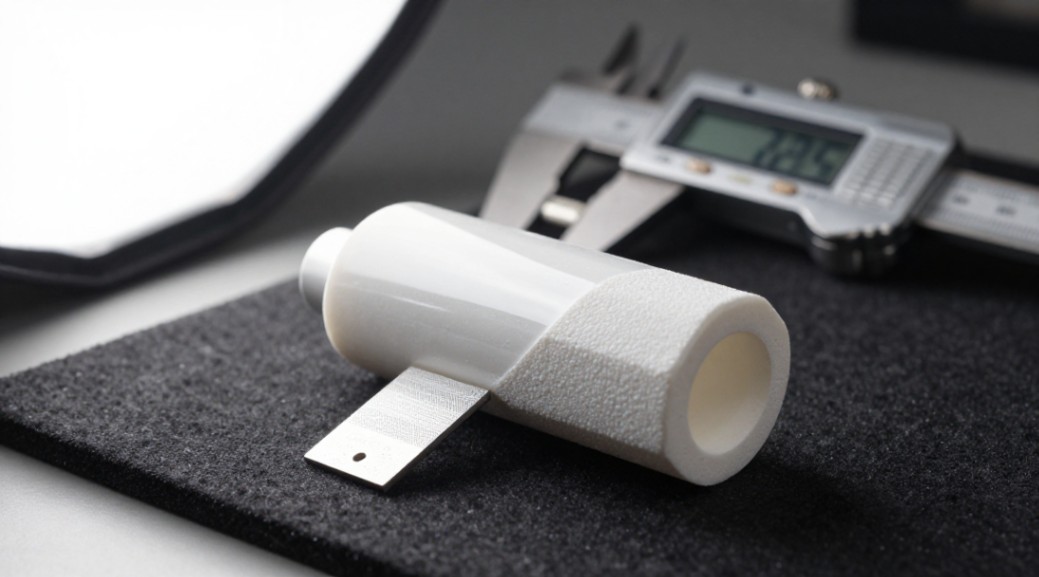
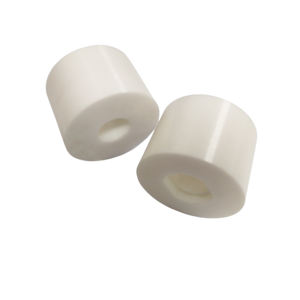
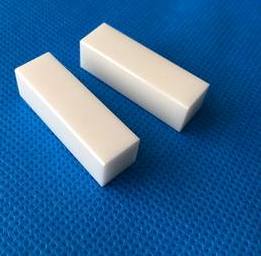
Producers shape boron nitride into custom types: plates, tubes, washing machines, or complex 3D parts. Each piece is made to fit precise thermal and electric needs. Due to this flexibility and dependability, boron nitride ceramic remains a leading option wherever electronics should run cooler, cleaner, and much longer.

Company Profile
Synthetic-chemical focus on the research and development, production and sales of ceramic products, serving the electronics, ceramics, chemical and other industries. Since its establishment in 2015, the company has been committed to providing customers with the best products and services, and has become a leader in the industry through continuous technological innovation and strict quality management.
Our products includes but not limited to Aluminum Nitride, Aluminum Oxide, Boron Carbide, Boron Nitride, Ceramic Crucible, ect. If you are interested in any type of these, please feel free to contact us.

Payment Methods
T/T, Western Union, Paypal, Credit Card etc.
Shipment Methods
By air, by sea, by express, as customers request.
5 FAQs of Boron Nitride Ceramic for Electronic Applications
Frequently Asked Questions About Boron Nitride Ceramic for Electronics
What is boron nitride ceramic used for in electronics?
Boron nitride ceramic works well as an insulator in electronic devices. It handles high heat without losing performance. Engineers use it in power modules, RF components, and semiconductor tools because it stays stable under tough conditions.
Why choose boron nitride over other ceramics?
It has strong electrical insulation and excellent thermal conductivity. Most ceramics conduct heat poorly or break down under voltage. Boron nitride does neither. It also resists thermal shock, so it won’t crack when temperatures change fast.
Is boron nitride safe for high-frequency applications?
Yes. Boron nitride shows very low dielectric loss, even at high frequencies. This makes it ideal for 5G systems, radar tech, and microwave circuits. Signals pass through clearly without much energy loss.
Can it be shaped into complex parts?
Machinable grades of boron nitride can be cut, drilled, or milled into custom shapes. This helps designers fit it into tight spaces inside electronic housings. It keeps its properties after machining, so performance stays reliable.
How does it handle extreme temperatures?
Boron nitride remains stable up to 1000°C in air and even higher in inert atmospheres. It doesn’t melt, warp, or release harmful gases. That’s why it’s trusted in aerospace electronics, laser systems, and high-power testing setups.
REQUEST A QUOTE
RELATED PRODUCTS
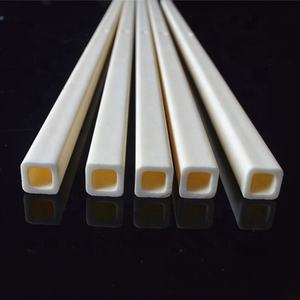
Boron Nitride Ceramic Insulator High Dielectric Strength
Boron Nitride Ceramic Release Agent Corrosion Resistance Thermal Shock
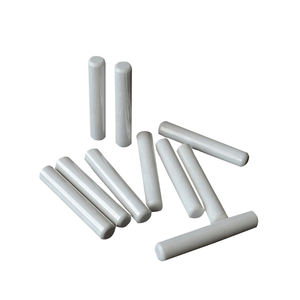
Technical Ceramics of Boron Nitride
Boron Nitride Ceramic Nozzle
Custom High Purity Boron Nitride Ceramic Insulating Tube