Next-Generation Ceramics: Unlocking Superior Properties for Industry

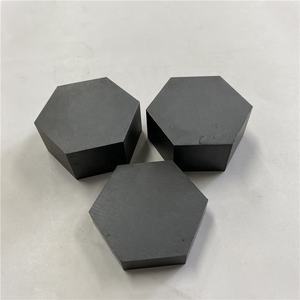
PRODUCT PARAMETERS
Description
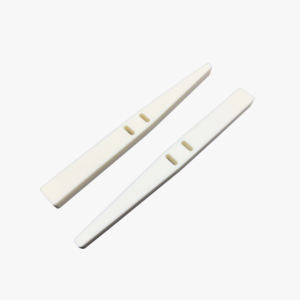
Overview of Boron Nitride Ceramic Parts Electrically Insulating Wear Resistant
Boron Nitride (BN) exists in multiple polymorphs, with Hexagonal Boron Nitride (h-BN) being the most common ceramic form. Often called “white graphite” due to its similar layered, lubricious structure, it is distinguished by its exceptional thermal stability, electrical insulation, and chemical inertness, even at extreme temperatures.
Features of Boron Nitride Ceramic Parts Electrically Insulating Wear Resistant
- High Thermal Conductivity & Excellent Electrical Insulation: Unique combination that allows it to conduct heat like a metal but insulate like a ceramic.
- Outstanding Thermal Shock Resistance: Can be heated and cooled rapidly without cracking.
- Natural Lubricity: Exhibits low friction and anti-stick properties, even at high temperatures.
- Chemically Inert: Resists wetting by and reaction with most molten metals, slags, and glasses.
- Machinable: Unlike most advanced ceramics, h-BN in its solid form can be machined to precision tolerances using conventional carbide tooling.
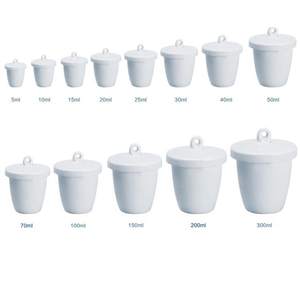
Specifications of Boron Nitride Ceramic Parts Electrically Insulating Wear Resistant
Specs of Boron Nitride Porcelain Components
Electrical Insulation and Put On Resistance
Boron nitride ceramic parts offer solid electric insulation. They do not carry out electrical power, also at heats. This makes them risk-free for use in electronic and electrical systems where seclusion is essential. Their resistivity stays secure across a large temperature level array.
These components also show excellent wear resistance. They preserve their shape and surface quality under rubbing and mechanical stress. This resilience assists expand life span in demanding atmospheres.
Thermal Efficiency
Boron nitride porcelains handle heat extremely well. They can work continually at temperature levels as much as 1000 ° C in air and even greater in inert environments. They spread out warmth uniformly and resist thermal shock. This protects against cracking or deforming throughout fast temperature level adjustments.
Chemical Security
The product stands up to assault from many acids, antacid, and molten metals. It does not respond easily with other substances. This makes it appropriate for usage in extreme chemical settings or high-purity applications like semiconductor production.
Machinability and Form
Unlike many other porcelains, boron nitride can be machined into intricate forms with typical tools. It is readily available in poles, plates, tubes, and customized layouts. The surface coating is smooth, which reduces rubbing and improves efficiency in moving components.
Secret Feature Summary
– Electrical resistivity: > 10 ¹⁴ Ω · cm
. -Optimum use temperature: 1000 ° C (in air).
– Thermal conductivity: 30– 60 W/m · K (depending upon quality).
– Firmness: Modest, yet highly resistant to abrasion.
– Thickness: ~ 2.1 g/cm THREE.
These attributes make boron nitride ceramic components suitable for insulators, spacers, crucibles, and elements in high-temperature or high-voltage devices.
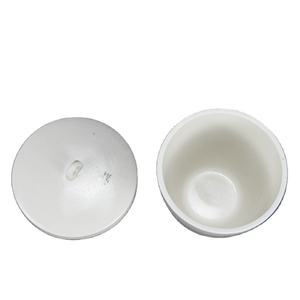
Applications of Boron Nitride Ceramic Parts Electrically Insulating Wear Resistant
Applications of Boron Nitride Ceramic Components
Electrically Insulating and Use Immune Performance
Boron nitride ceramic parts are commonly made use of in high-performance commercial setups. These components use strong electric insulation. They likewise resist wear effectively. This makes them optimal for requiring settings where both residential properties issue.
In electronic devices manufacturing, boron nitride elements serve as insulators in high-temperature procedures. They remain steady even when exposed to extreme warmth. Unlike many various other porcelains, they do not perform electrical power. This aids protect sensitive equipment from short circuits or damages.
The aerospace market makes use of these components in elements that deal with constant rubbing and high voltages. Their wear resistance makes sure lengthy service life. At the very same time, their protecting nature keeps electrical systems risk-free and reliable.
In steel casting and glass production, boron nitride parts act as release agents and safety cellular linings. They protect against liquified materials from sticking. They also protect devices from thermal shock and chemical rust. Because they do not respond quickly with various other materials, they preserve efficiency over time.
Semiconductor fabrication counts on boron nitride for wafer handling tools and heating system components. These applications require products that stay tidy, non-reactive, and electrically neutral. Boron nitride meets all these demands without degrading under duplicated thermal biking.
An additional vital usage remains in plasma engraving chambers. Here, the ceramic components have to endure aggressive gases and high-energy fragments. Boron nitride takes on this misuse while keeping its shape and insulating ability.
Boron nitride ceramic parts incorporate 2 critical characteristics: superb electrical insulation and solid resistance to wear. This twin benefit permits designers to fix intricate problems in markets ranging from power to advanced production. Their integrity in extreme conditions makes them a smart choice wherever basic products fall short.

Company Profile
Synthetic-chemical focus on the research and development, production and sales of ceramic products, serving the electronics, ceramics, chemical and other industries. Since its establishment in 2015, the company has been committed to providing customers with the best products and services, and has become a leader in the industry through continuous technological innovation and strict quality management.
Our products includes but not limited to Aluminum Nitride, Aluminum Oxide, Boron Carbide, Boron Nitride, Ceramic Crucible, ect. If you are interested in any type of these, please feel free to contact us.

Payment Methods
T/T, Western Union, Paypal, Credit Card etc.
Shipment Methods
By air, by sea, by express, as customers request.
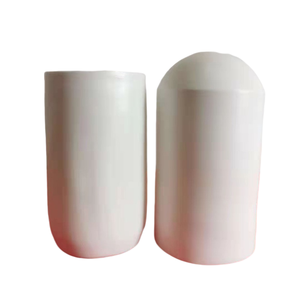
5 FAQs of Boron Nitride Ceramic Parts Electrically Insulating Wear Resistant
Frequently Asked Questions About Boron Nitride Ceramic Parts
What makes boron nitride ceramic parts electrically insulating?
Boron nitride has a unique atomic structure that blocks the flow of electricity. This means it works well as an insulator even at high temperatures. It keeps electrical systems safe and stable.
Are these parts wear resistant?
Yes. Boron nitride ceramics resist wear from friction and contact with other materials. They stay strong and smooth over time, which is useful in moving or high-stress parts.
Can they handle high temperatures?
Absolutely. These parts stay stable in extreme heat—often above 1,000°C. They do not melt, crack, or lose their shape easily. That makes them ideal for furnaces, aerospace, and other hot environments.
Where are boron nitride ceramic parts commonly used?
They are used in industries like electronics, metallurgy, and semiconductor manufacturing. Common applications include insulators, crucibles, spacers, and components in vacuum systems. Their mix of insulation and durability fits many technical needs.
Do they react with other materials?
No. Boron nitride is chemically inert. It does not react with most metals, salts, or gases—even when hot. This stability helps protect equipment and ensures clean, contamination-free processes.
REQUEST A QUOTE
RELATED PRODUCTS
Boron Nitride Ceramic Thermal Shock Resistance Release Agent
Boron Nitride Ceramic Rod High Volume Resistivity for Machinery
Boron Nitride Ceramic Ring for Electronics and Furnace Parts
Boron Nitride Ceramic Nozzle for Amorphous Metal Ribbon
Boron Nitride Ceramic Heat Sinks for Electronics Cooling