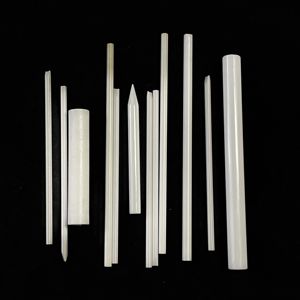
Next-Generation Ceramics: Unlocking Superior Properties for Industry

PRODUCT PARAMETERS
Description
Overview of Boron Nitride Ceramic Plasma Insulator Material
Boron Nitride (BN) exists in multiple polymorphs, with Hexagonal Boron Nitride (h-BN) being the most common ceramic form. Often called “white graphite” due to its similar layered, lubricious structure, it is distinguished by its exceptional thermal stability, electrical insulation, and chemical inertness, even at extreme temperatures.
Features of Boron Nitride Ceramic Plasma Insulator Material
- High Thermal Conductivity & Excellent Electrical Insulation: Unique combination that allows it to conduct heat like a metal but insulate like a ceramic.
- Outstanding Thermal Shock Resistance: Can be heated and cooled rapidly without cracking.
- Natural Lubricity: Exhibits low friction and anti-stick properties, even at high temperatures.
- Chemically Inert: Resists wetting by and reaction with most molten metals, slags, and glasses.
- Machinable: Unlike most advanced ceramics, h-BN in its solid form can be machined to precision tolerances using conventional carbide tooling.
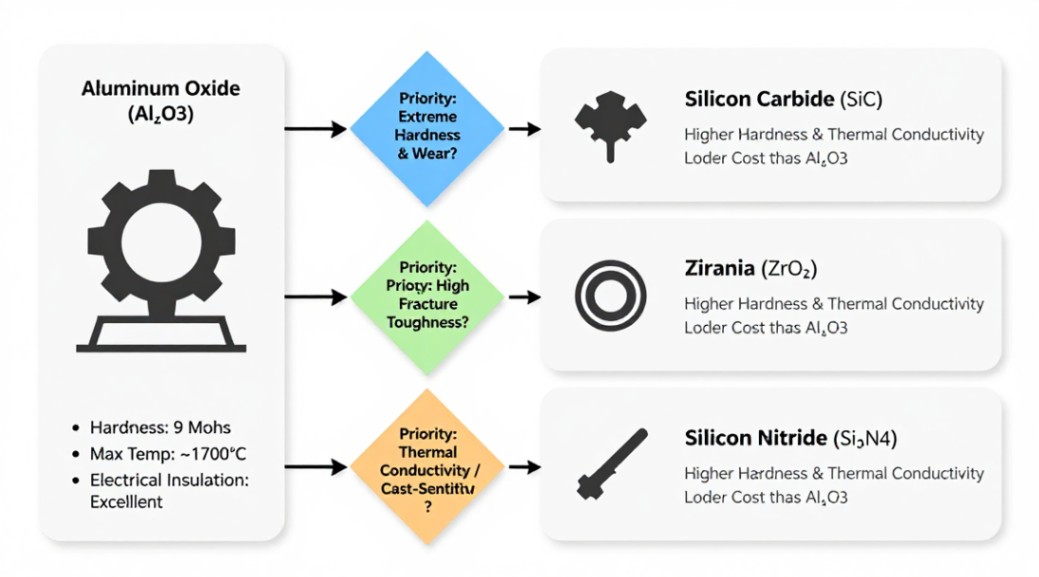
Specifications of Boron Nitride Ceramic Plasma Insulator Material
Specs of Boron Nitride Porcelain Plasma Insulator Product
Material Structure
This insulator is made from high-purity hexagonal boron nitride (h-BN). The product contains over 99% BN. It has no included binders or sintering aids. This makes sure exceptional electrical insulation and thermal security in demanding settings.
Thermal Efficiency
Boron nitride ceramic handles severe warm quite possibly. It stays stable as much as 1000 ° C in air and even greater in inert environments. Its thermal conductivity varieties from 30 to 60 W/m · K, depending on orientation. This permits effective warmth dissipation while keeping elements cool. The material additionally shows low thermal growth, which aids avoid breaking during rapid temperature level adjustments.
Electric Residences
The insulator offers strong dielectric stamina– usually over 15 kV/mm. Its volume resistivity surpasses 1014 Ω · cm at space temperature. These qualities make it excellent for high-voltage plasma applications where constant insulation is crucial. Even under extreme electromagnetic fields, performance remains reputable.
Mechanical Qualities
Though not as tough as alumina, boron nitride ceramic is simple to maker into complicated forms. Its flexural stamina is around 70– 100 MPa. The product is lightweight and non-abrasive, decreasing endure adjacent parts. It preserves structural stability under continual thermal biking.
Chemical Resistance
This ceramic stands up to assault from many molten steels, salts, and acids. It does not react with aluminum, zinc, or many other commercial products. Nevertheless, it can oxidize gradually above 800 ° C in air. In vacuum or nitrogen-rich setups, it carries out without deterioration.
Plasma Compatibility
Boron nitride ceramic works well in plasma chambers. It produces extremely few impurities, helping keep the process tidy. Its smooth surface minimizes particle accumulation. Operators usually pick it for semiconductor manufacturing, plasma etching, and finish systems where purity issues.
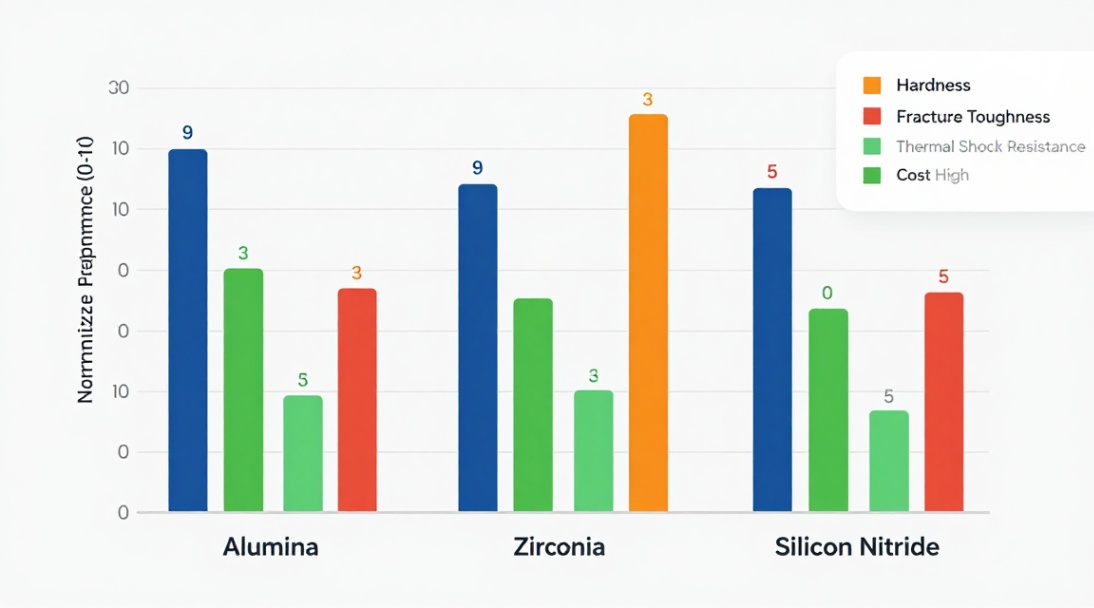
Applications of Boron Nitride Ceramic Plasma Insulator Material
Applications of Boron Nitride Porcelain Plasma Insulator Material
High-Temperature Stability in Plasma Atmospheres
Boron nitride ceramic stand apart for its capability to stay secure under severe warmth. It works well in plasma systems where temperature levels frequently go beyond 1,000 ° C. Unlike several various other insulators, it does not melt, split, or lose toughness when exposed to intense thermal stress. This makes it a relied on choice in industrial plasma lanterns and semiconductor production devices.
Electric Insulation Without Interference
This material supplies solid electrical insulation also in high-energy setups. It blocks existing circulation effectively while remaining chemically inert. That indicates it will certainly not respond with surrounding gases or metals during operation. Designers depend on it to isolate delicate elements in plasma chambers without worrying about signal noise or brief circuits.
Thermal Administration and Reduced Thermal Growth
Boron nitride ceramic spreads warmth equally throughout its surface area. At the exact same time, it increases really little when heated up. These attributes assist keep limited mechanical resistances inside plasma equipment. Components remain straightened, seals continue to be undamaged, and system efficiency remains consistent over long runs.
Compatibility with Harsh Chemical Conditions
Plasma procedures often entail responsive gases like oxygen, chlorine, or fluorine. Boron nitride withstands corrosion from these materials. It keeps its shape and feature also after duplicated exposure. This resilience lowers maintenance demands and prolongs the life of critical hardware.
Usage in Advanced Manufacturing and Research Study
You’ll find boron nitride ceramic insulators in plasma etching machines, sputtering systems, and blend study tools. Its mix of thermal, electric, and chemical buildings supports precision work in both assembly line and labs. Designers choose it when dependability under pressure is non-negotiable.

Company Profile
Synthetic-chemical focus on the research and development, production and sales of ceramic products, serving the electronics, ceramics, chemical and other industries. Since its establishment in 2015, the company has been committed to providing customers with the best products and services, and has become a leader in the industry through continuous technological innovation and strict quality management.
Our products includes but not limited to Aluminum Nitride, Aluminum Oxide, Boron Carbide, Boron Nitride, Ceramic Crucible, ect. If you are interested in any type of these, please feel free to contact us.

Payment Methods
T/T, Western Union, Paypal, Credit Card etc.
Shipment Methods
By air, by sea, by express, as customers request.
5 FAQs of Boron Nitride Ceramic Plasma Insulator Material
Frequently Asked Questions About Boron Nitride Ceramic Plasma Insulators
What is boron nitride ceramic used for in plasma systems?
Boron nitride ceramic works as an electrical insulator in high-temperature plasma environments. It keeps electricity from moving where it should not. This material handles extreme heat and stays stable during plasma operations.
Why choose boron nitride over other insulating materials?
Boron nitride resists heat better than most ceramics. It does not break down easily under plasma exposure. It also has low thermal expansion, so it won’t crack when temperatures change fast. These traits make it reliable for long-term use.
Can boron nitride withstand repeated plasma cycles?
Yes. Boron nitride maintains its shape and performance after many heating and cooling cycles. It does not absorb moisture or react with common process gases. This stability helps reduce maintenance and replacement costs.
Is boron nitride safe to use in vacuum conditions?
It is very safe in vacuum settings. Boron nitride releases almost no gas when placed under vacuum. This prevents contamination in sensitive processes like semiconductor manufacturing or thin-film coating.
How does boron nitride affect system performance?
Using boron nitride improves system reliability. Its smooth surface reduces particle buildup. Its consistent insulation helps keep plasma stable. As a result, equipment runs more smoothly and downtime drops.
REQUEST A QUOTE
RELATED PRODUCTS
Boron Nitride Ceramic Ring High Temperature Resistance
Special Shaped Boron Nitride Ceramic Parts
Boron Nitride Composite Ceramic Evaporation Boats
Boron Nitride Aluminum Nitride Composite Gas Atomizing Nozzle
Boron Nitride Ceramic Crucible for Melting Glasses