Next-Generation Ceramics: Unlocking Superior Properties for Industry

PRODUCT PARAMETERS
Description
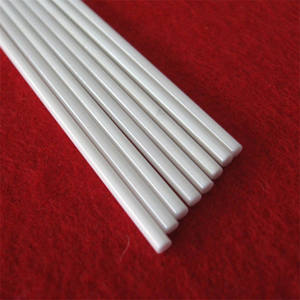
Overview of Boron Nitride Ceramic Rod High Temperature Resistance Insulated
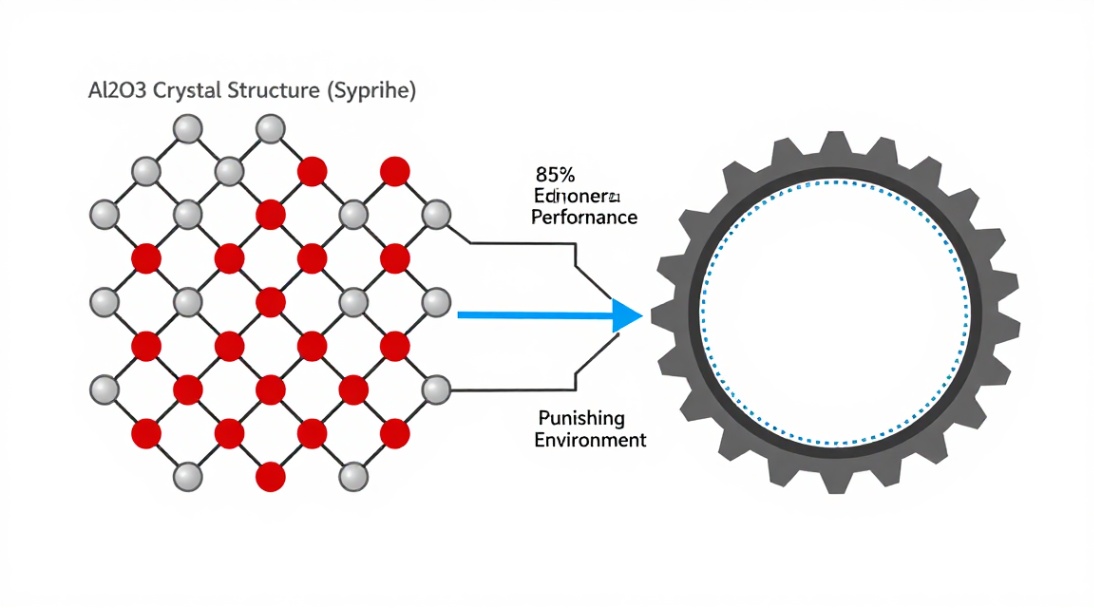
Boron Nitride (BN) exists in multiple polymorphs, with Hexagonal Boron Nitride (h-BN) being the most common ceramic form. Often called “white graphite” due to its similar layered, lubricious structure, it is distinguished by its exceptional thermal stability, electrical insulation, and chemical inertness, even at extreme temperatures.
Features of Boron Nitride Ceramic Rod High Temperature Resistance Insulated
- High Thermal Conductivity & Excellent Electrical Insulation: Unique combination that allows it to conduct heat like a metal but insulate like a ceramic.
- Outstanding Thermal Shock Resistance: Can be heated and cooled rapidly without cracking.
- Natural Lubricity: Exhibits low friction and anti-stick properties, even at high temperatures.
- Chemically Inert: Resists wetting by and reaction with most molten metals, slags, and glasses.
- Machinable: Unlike most advanced ceramics, h-BN in its solid form can be machined to precision tolerances using conventional carbide tooling.
Specifications of Boron Nitride Ceramic Rod High Temperature Resistance Insulated
Specifications of Boron Nitride Porcelain Rod
High-Temperature Resistance and Electrical Insulation
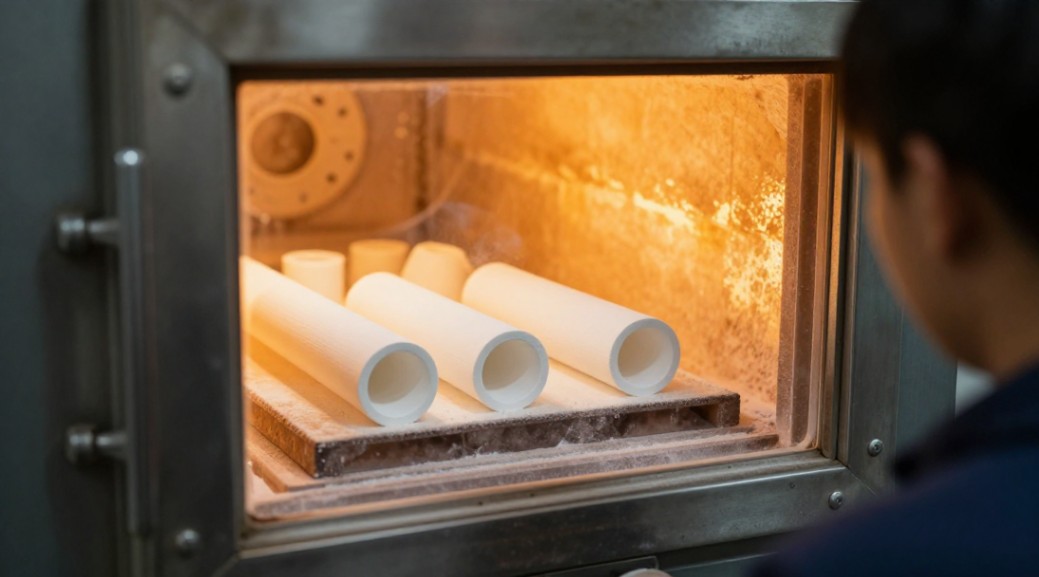
Boron nitride ceramic rods use excellent efficiency in extreme heat. They remain secure at temperatures up to 2,000 ° C in inert ambiences. Also in air, they function dependably approximately 1,000 ° C without breaking down. This makes them ideal for high-heat industrial applications.
These poles are strong electric insulators. They do not carry out power, also when revealed to high voltages or varying regularities. Their dielectric toughness remains consistent throughout a large temperature variety. This attribute is important in electronic devices, semiconductor production, and high-voltage tools.
Trick Physical Qualities:
– Thickness: 2.1– 2.3 g/cm FOUR.
– Solidity: 2 on the Mohs range (soft yet sturdy).
– Thermal conductivity: 30– 60 W/m · K (along journalism instructions).
– Coefficient of thermal growth: low, about 2– 3 × 10 ⁻⁶/ ° C.
The material is chemically inert. It withstands attack from many liquified steels, salts, and acids. It additionally does not react with lots of common heating system ambiences. This makes certain lengthy life span in harsh settings.
Machinability and Type:
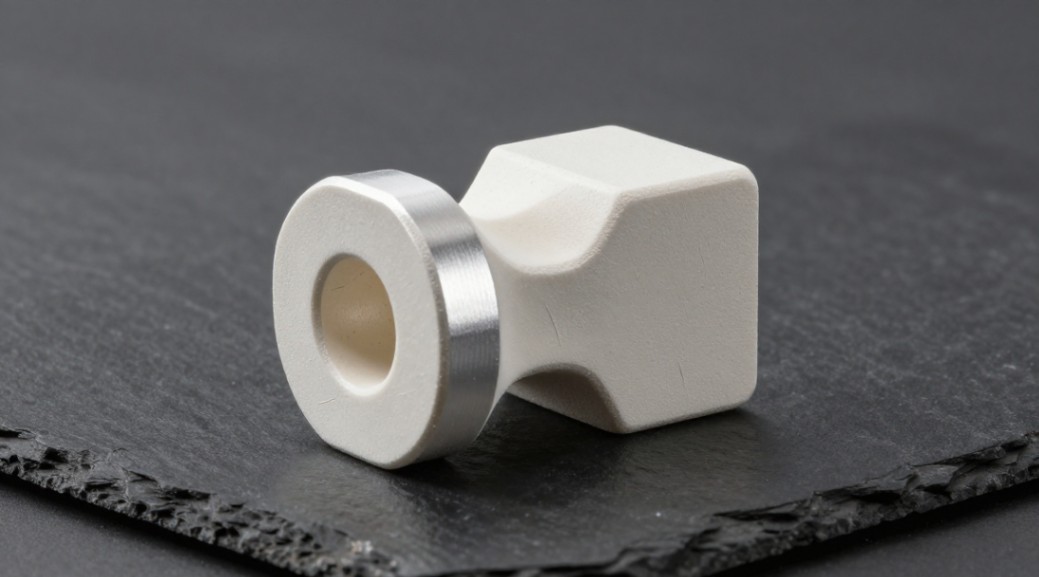
Boron nitride ceramic rods can be easily machined right into custom-made shapes. They come in standard sizes from 3 mm to 50 mm, with sizes as much as 300 mm. Tolerances as tight as ± 0.05 mm are possible. Surface area surfaces are smooth, which helps in reducing friction and contamination in delicate processes.
These poles are white or off-white in color and light-weight contrasted to other porcelains. Their layered hexagonal framework provides excellent lubricity, comparable to graphite– however without electrical conductivity.
Industries such as aerospace, metallurgy, glass handling, and lab research study depend on boron nitride rods for parts like crucibles, insulators, spacers, and assistance components. Their mix of thermal security, electric insulation, and chemical resistance makes them a relied on option where efficiency under pressure issues.
Applications of Boron Nitride Ceramic Rod High Temperature Resistance Insulated
Applications of Boron Nitride Ceramic Poles
High-Temperature Resistance and Electric Insulation
Boron nitride ceramic poles manage extreme warm without damaging down. They stay secure at temperature levels up to 2,000 ° C in inert environments. This makes them optimal for usage in high-heat industrial setups where most products would certainly stop working.
These rods also offer solid electric insulation. Also when warm, they do not perform electrical energy. This function is vital in tools that has to run safely under high voltage and heat at the very same time.
Common Industrial Utilizes
In metallurgy, boron nitride poles serve as support fixtures for liquified steel handling. They withstand chain reactions with metals like light weight aluminum, zinc, and copper. Their non-wetting surface protects against steel from sticking, which aids keep tidy procedures and expands tool life.
The semiconductor industry utilizes these rods in crystal development systems. They supply architectural assistance while remaining chemically inert. This makes sure pureness during sensitive manufacturing actions.
In research laboratory settings, scientists count on boron nitride poles for high-temperature test configurations. The material’s thermal stability and reduced thermal growth avoid bending or fracturing during repeated home heating cycles.
Why Pick Boron Nitride?
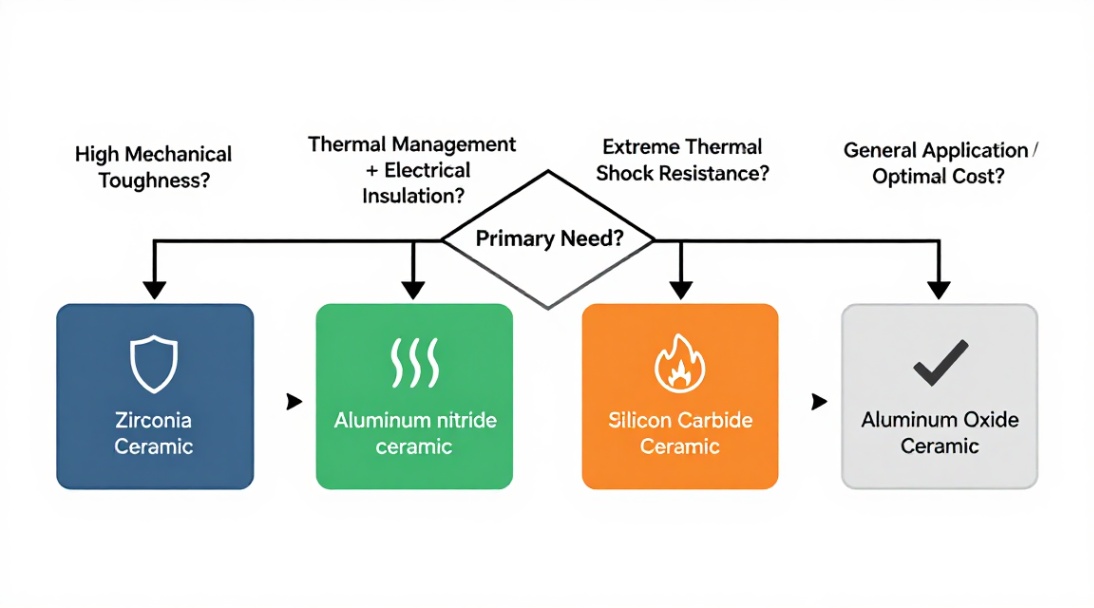
Boron nitride ceramic poles combine heat resistance, electrical insulation, and chemical inertness in one material. They outmatch several conventional ceramics in severe environments. Unlike graphite, they do not pollute surrounding products. Unlike alumina, they stay steady in minimizing environments.
Their smooth surface and machinability allow for accurate custom forms. Designers can create elements that fit precise needs without giving up performance.
Industries that require dependability under stress– such as aerospace, electronic devices, and advanced manufacturing– depend upon boron nitride rods to maintain procedures running smoothly and securely.

Company Profile
Synthetic-chemical focus on the research and development, production and sales of ceramic products, serving the electronics, ceramics, chemical and other industries. Since its establishment in 2015, the company has been committed to providing customers with the best products and services, and has become a leader in the industry through continuous technological innovation and strict quality management.
Our products includes but not limited to Aluminum Nitride, Aluminum Oxide, Boron Carbide, Boron Nitride, Ceramic Crucible, ect. If you are interested in any type of these, please feel free to contact us.

Payment Methods
T/T, Western Union, Paypal, Credit Card etc.
Shipment Methods
By air, by sea, by express, as customers request.
5 FAQs of Boron Nitride Ceramic Rod High Temperature Resistance Insulated
Frequently Asked Questions About Boron Nitride Ceramic Rods
What is a boron nitride ceramic rod?
A boron nitride ceramic rod is a solid cylindrical part made from boron nitride. This material looks like plastic but handles very high heat. It works well as an electrical insulator and stays stable even when temperatures rise.
Why choose boron nitride over other ceramics?
Boron nitride stands out because it resists heat up to 1000°C in air and even higher in inert atmospheres. It does not conduct electricity, so it keeps systems safe. Also, it does not react with most molten metals or chemicals, which makes it reliable in tough environments.
Where are these rods commonly used?
These rods are often found in high-temperature lab equipment, semiconductor manufacturing tools, and metal casting setups. They serve as supports, spacers, or insulators where regular materials would melt or break down.
Can boron nitride rods handle thermal shock?
Yes. Boron nitride has excellent thermal shock resistance. You can heat it quickly or cool it suddenly without cracking. This feature is important in processes that involve rapid temperature changes.
Is machining boron nitride difficult?
Not really. Even though it’s a ceramic, boron nitride is soft enough to be shaped with standard tools like carbide cutters. You can drill, turn, or mill it into custom sizes without special equipment. Just avoid heavy impacts during handling to prevent chipping.
REQUEST A QUOTE
RELATED PRODUCTS
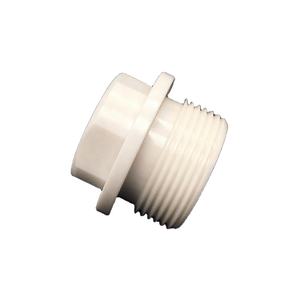
Boron Nitride Ceramic Assembled Parts for Sintering Phosphor
Environmentally Friendly Boron Nitride Ceramic Plate for Sustainable Solutions
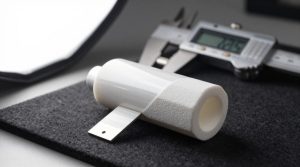
Boron Nitride Ceramic Plate for Casting
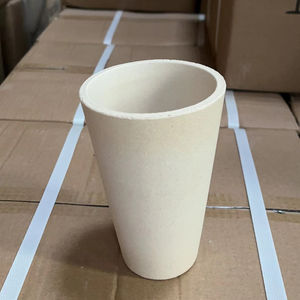
Boron Nitride Ceramic Parts for Vacuum Furnace Industrial
Boron Nitride Ceramic Cylinder Block Drilled