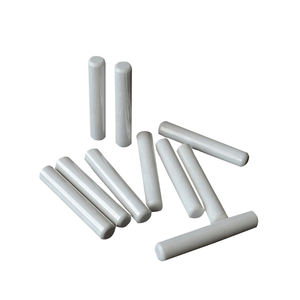
Next-Generation Ceramics: Unlocking Superior Properties for Industry

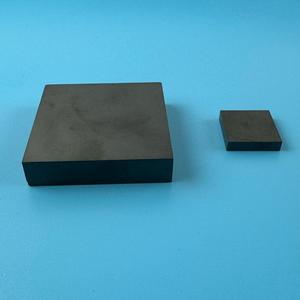
PRODUCT PARAMETERS
Description
Overview of Boron Nitride Ceramic Tube Rod Plate Heat Sink
Boron Nitride (BN) exists in multiple polymorphs, with Hexagonal Boron Nitride (h-BN) being the most common ceramic form. Often called “white graphite” due to its similar layered, lubricious structure, it is distinguished by its exceptional thermal stability, electrical insulation, and chemical inertness, even at extreme temperatures.
Features of Boron Nitride Ceramic Tube Rod Plate Heat Sink
- High Thermal Conductivity & Excellent Electrical Insulation: Unique combination that allows it to conduct heat like a metal but insulate like a ceramic.
- Outstanding Thermal Shock Resistance: Can be heated and cooled rapidly without cracking.
- Natural Lubricity: Exhibits low friction and anti-stick properties, even at high temperatures.
- Chemically Inert: Resists wetting by and reaction with most molten metals, slags, and glasses.
- Machinable: Unlike most advanced ceramics, h-BN in its solid form can be machined to precision tolerances using conventional carbide tooling.
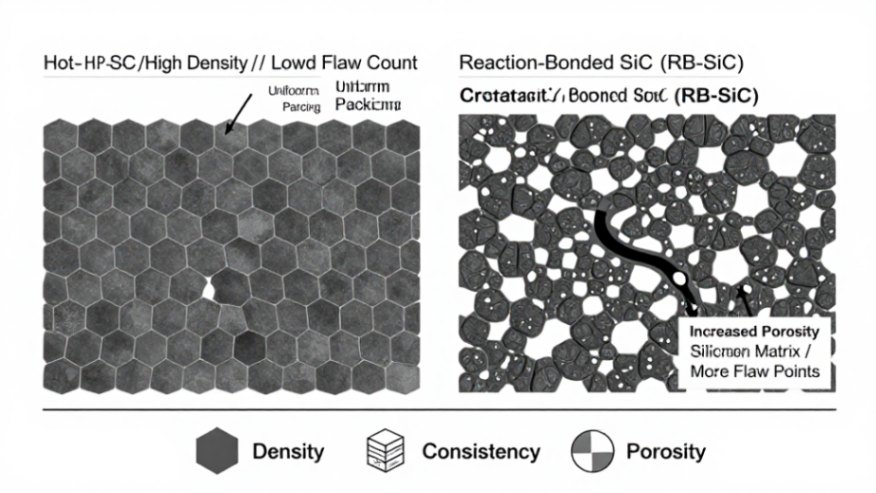
Specifications of Boron Nitride Ceramic Tube Rod Plate Heat Sink
Requirements of Boron Nitride Ceramic Tube, Pole, Plate & Warmth Sink
Product Characteristics
Boron nitride (BN) ceramic components are made from high-purity hexagonal boron nitride. This product shows exceptional thermal conductivity while remaining a strong electric insulator. It can deal with temperature levels as much as 1000 ° C in air and also greater in inert ambiences. BN ceramics withstand thermal shock well and do not react with many molten steels or salts.
Trick Features:
– High thermal conductivity (as much as 60 W/m · K).
– Electric resistivity greater than 10 ¹⁴ Ω · cm.
– Low coefficient of thermal expansion.
– Chemically inert and non-wetting.
– Machinable to limited resistances.
Offered Kinds
We supply boron nitride in common shapes: tubes, poles, plates, and customized warmth sinks. Each form is developed for demanding thermal monitoring or insulation tasks.
Tubes: Internal sizes from 2 mm to 50 mm; wall surface thicknesses from 1 mm upwards. Sizes approximately 300 mm. Suitable for crucibles, insulators, and heater linings.
Poles: Sizes from 3 mm to 60 mm; lengths approximately 400 mm. Used as support pins, spacers, or feedthroughs in high-temperature systems.
Plates: Thicknesses from 0.5 mm to 25 mm; conventional evaluate to 200 mm × 200 mm. Suitable for substratums, spacers, and safety barriers.
Warmth Sinks: Custom-machined to fit details electronic or commercial applications. Efficiently attract warm away without performing electrical power.
Processing & Tolerances
All components are precision-machined utilizing diamond tooling. Standard dimensional resistance is ± 0.05 mm. Surface area finishes down to 0.8 µm Ra are attainable. We can additionally drill, port, or string elements as needed.
These boron nitride products work well in semiconductor manufacturing, aerospace, metallurgy, and research laboratory devices where stability, pureness, and efficiency matter many.
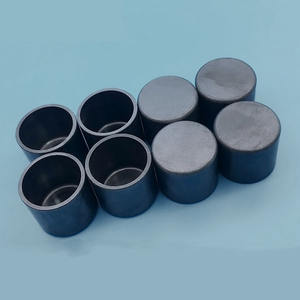
Applications of Boron Nitride Ceramic Tube Rod Plate Heat Sink
Applications of Boron Nitride Ceramic Tube, Rod, Plate, and Heat Sink
High-Temperature Atmospheres
Boron nitride ceramic parts work well in places with really high warmth. Tubes, poles, and plates made from this material keep their shape and strength also when temperatures go above 1000 ° C. They are made use of inside heating systems, molten steel managing systems, and aerospace elements where regular products would certainly fail.
Electrical Insulation Demands
These porcelains do not carry out electricity however action warmth away swiftly. That makes them ideal for electronic tools that need to remain great and safe. Warm sinks constructed from boron nitride shield delicate circuits in power modules, LED lighting, and RF tools without triggering brief circuits.
Chemical Resistance Demands
Boron nitride resists most acids, antacid, and molten salts. This quality permits tubes and plates to be utilized in harsh chemical processes. Labs and plants rely upon them for crucibles, liners, and support frameworks that face harsh compounds daily.
Accuracy Manufacturing Equipment
The smooth surface and reduced friction of boron nitride aid in making great components. Poles and plates work as guides, spacers, or mold and mildews in semiconductor production and glass forming. They prevent sticking and contamination during high-precision operations.
Thermal Administration Solutions
Heat sinks made from boron nitride spread warm uniformly and fast. They match tight areas in electronic devices, lasers, and sensors where air flow is restricted. Unlike steels, they include no electric danger while maintaining elements at secure operating temperature levels.
Vacuum and Inert Atmosphere Use
Boron nitride remains steady in vacuum chambers and inert gas settings. Tubes and poles sustain heating elements or function as insulators in sintering and crystal growth systems. Their purity guarantees no undesirable reactions or outgassing happen.

Company Profile
Synthetic-chemical focus on the research and development, production and sales of ceramic products, serving the electronics, ceramics, chemical and other industries. Since its establishment in 2015, the company has been committed to providing customers with the best products and services, and has become a leader in the industry through continuous technological innovation and strict quality management.
Our products includes but not limited to Aluminum Nitride, Aluminum Oxide, Boron Carbide, Boron Nitride, Ceramic Crucible, ect. If you are interested in any type of these, please feel free to contact us.

Payment Methods
T/T, Western Union, Paypal, Credit Card etc.
Shipment Methods
By air, by sea, by express, as customers request.
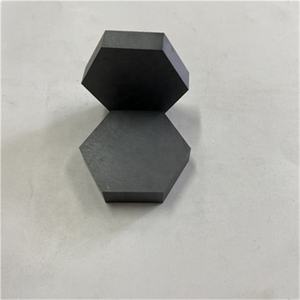
5 FAQs of Boron Nitride Ceramic Tube Rod Plate Heat Sink
Frequently Asked Questions About Boron Nitride Ceramic Heat Sinks
What is a boron nitride ceramic heat sink?
A boron nitride ceramic heat sink is made from high-purity boron nitride. It helps move heat away from electronic parts. This material stays stable at very high temperatures and does not conduct electricity.
Why choose boron nitride over other ceramics?
Boron nitride has excellent thermal conductivity but remains an electrical insulator. Most metals conduct both heat and electricity, which can cause short circuits. Other ceramics may crack under rapid temperature changes. Boron nitride handles thermal shock well and keeps its shape.
Where are these heat sinks used?
These heat sinks work in high-power electronics, semiconductor tools, laser systems, and aerospace devices. They are also common in labs where clean, non-reactive materials are needed. Their smooth surface and chemical resistance make them ideal for sensitive environments.
Can boron nitride parts be shaped into tubes, rods, or plates?
Yes. Manufacturers produce boron nitride in many forms, including tubes, rods, and flat plates. Each shape serves different cooling needs. Tubes fit around components, rods act as spacers or supports, and plates spread heat evenly across surfaces.
How do I install a boron nitride heat sink?
Handle the part carefully—it is strong but can chip if dropped. Clean the contact surface first. Use thermal paste to improve heat transfer between the device and the heat sink. Secure it with non-conductive fasteners if needed. Avoid overtightening, as this may cause cracks. Always follow your system’s thermal design guidelines.
REQUEST A QUOTE
RELATED PRODUCTS
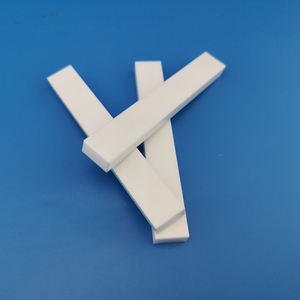
Composite Boron Nitride Ceramic Assembled Components
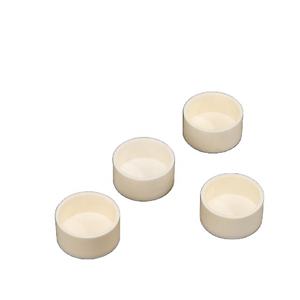
Custom Boron Nitride Ceramic Disc Factory
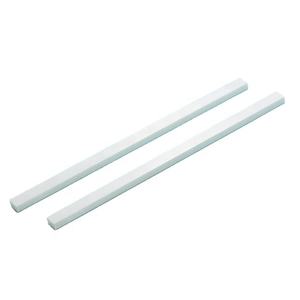
High Purity Boron Nitride Ceramic Crucibles for Melting
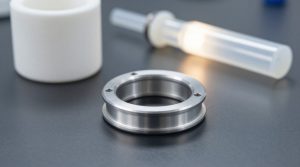
Hot Pressing Boron Nitride Ceramic Block Drilled

Boron Nitride Ceramics for Precision Instrument Manufacturing Custom