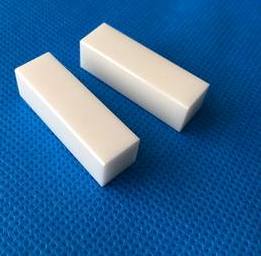
Next-Generation Ceramics: Unlocking Superior Properties for Industry

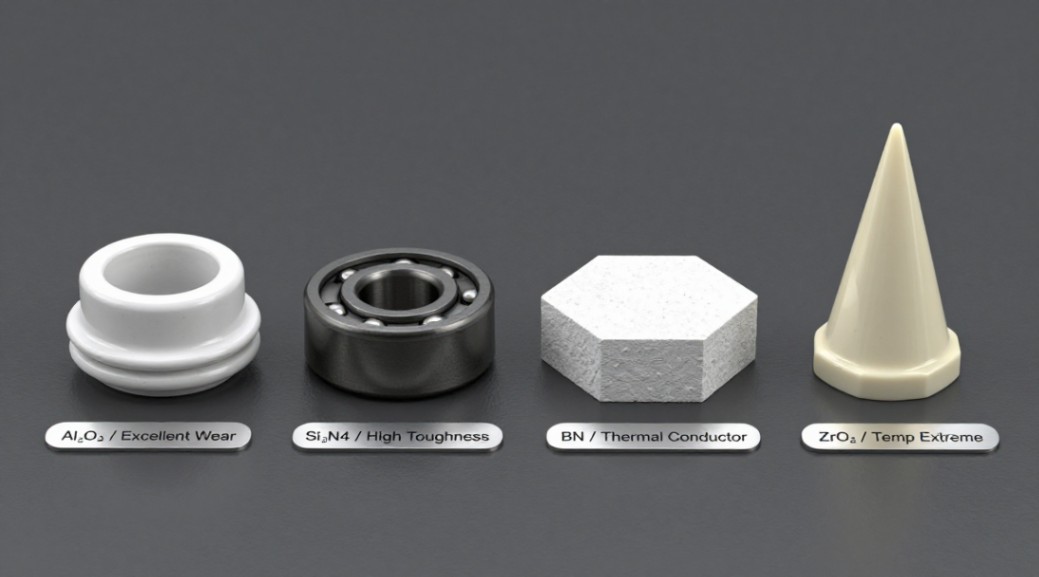
PRODUCT PARAMETERS
Description
Overview of Boron Nitride Molding Setter for Sintering Ceramics
Boron Nitride (BN) exists in multiple polymorphs, with Hexagonal Boron Nitride (h-BN) being the most common ceramic form. Often called “white graphite” due to its similar layered, lubricious structure, it is distinguished by its exceptional thermal stability, electrical insulation, and chemical inertness, even at extreme temperatures.
Features of Boron Nitride Molding Setter for Sintering Ceramics
- High Thermal Conductivity & Excellent Electrical Insulation: Unique combination that allows it to conduct heat like a metal but insulate like a ceramic.
- Outstanding Thermal Shock Resistance: Can be heated and cooled rapidly without cracking.
- Natural Lubricity: Exhibits low friction and anti-stick properties, even at high temperatures.
- Chemically Inert: Resists wetting by and reaction with most molten metals, slags, and glasses.
- Machinable: Unlike most advanced ceramics, h-BN in its solid form can be machined to precision tolerances using conventional carbide tooling.
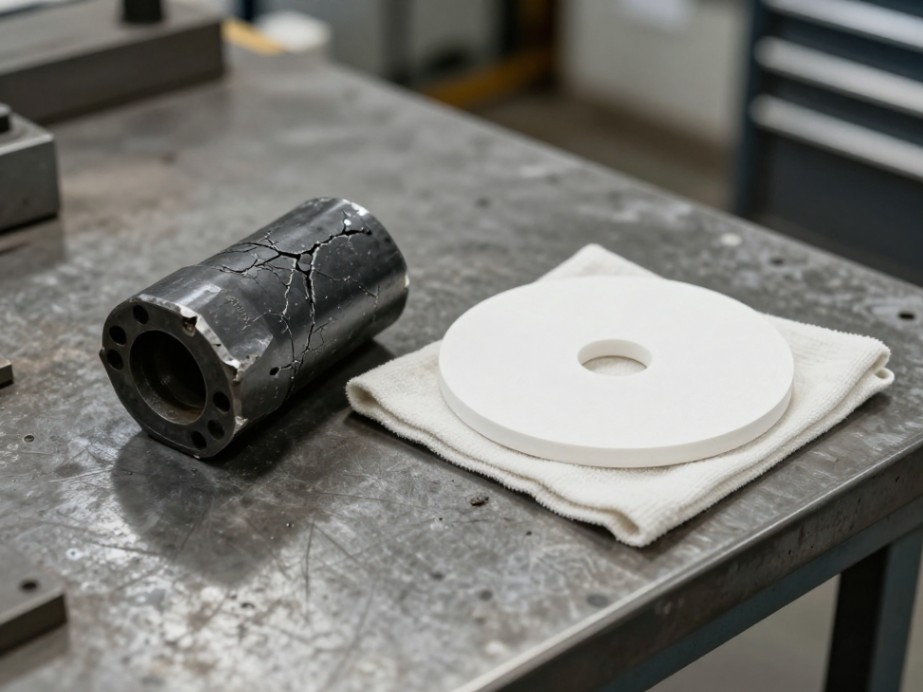
Specifications of Boron Nitride Molding Setter for Sintering Ceramics
Specs of Boron Nitride Molding Setter for Sintering Ceramics
Product Structure
This setter is made from high-purity hexagonal boron nitride (h-BN). The material consists of over 99% BN. It has outstanding thermal security and chemical inertness. This makes it optimal for usage in high-temperature ceramic sintering processes.
Physical Qualities
The density of the setter varies from 1.8 to 2.1 g/cm FIVE. Its solidity is reduced, which assists protect against scratching or harming fragile ceramic parts throughout handling. The thermal conductivity is modest– around 30– 60 W/m · K– permitting also heat distribution without locations. The coefficient of thermal expansion is extremely low, so the setter resists cracking under quick temperature modifications.
Temperature Resistance
Maximum service temperature level: up to 2,000 ° C in inert or vacuum cleaner ambiences. In air, it performs reliably approximately 1,000 ° C. Yet, oxidation may occur. The setter keeps structural honesty and shape security throughout duplicated heating and cooling down cycles.
Measurements and Tolerances
Requirement sizes include plates, trays, and custom-shaped supports. Density commonly varies from 3 mm to 25 mm. Length and width can be customized to fit specific kiln or furnace setups. Dimensional tolerance is held within ± 0.2 mm for accuracy applications.
Surface Finish
The surface area is smooth and non-stick. This protects against adhesion of molten or sintered ceramics. Surface area roughness averages Ra ≤ 1.6 μm. Optional fine sprucing up is available for ultra-sensitive components.
Key Advantages
No response with most porcelains: h-BN does not bond or pollute alumina, zirconia, or various other typical technical ceramics.
Easy launch: components come off easily after sintering, minimizing post-processing work.
Reusable: with appropriate treatment, one setter lasts with several production runs.
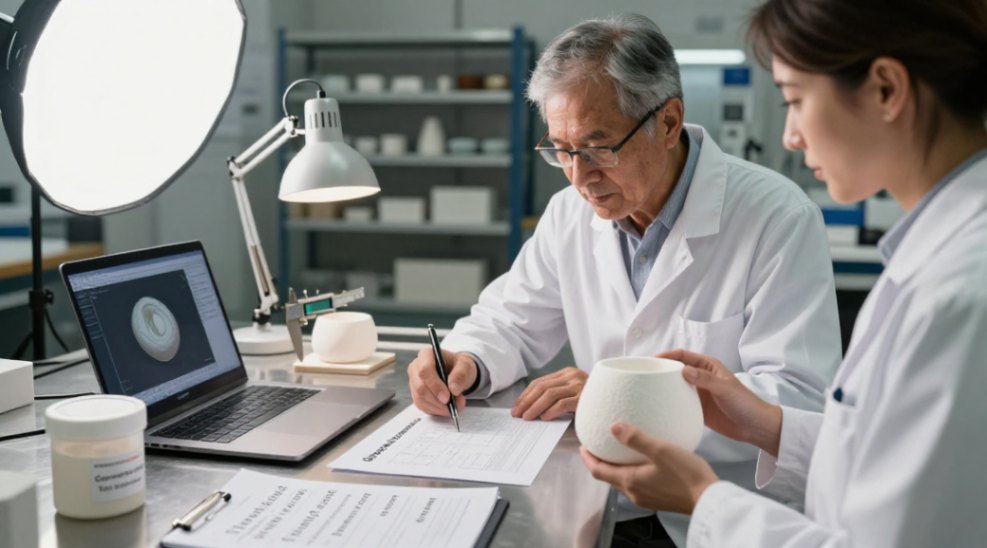
Applications of Boron Nitride Molding Setter for Sintering Ceramics
Applications of Boron Nitride Molding Setter for Sintering Ceramics
Why Make Use Of Boron Nitride Setters?
Boron nitride molding setters are commonly made use of in ceramic sintering. They assist hold components in place during high-temperature firing. These setters do not react with the majority of ceramic materials. This keeps the end product tidy and devoid of contamination.
High-Temperature Stability
Ceramic sintering commonly occurs above 1,500 ° C. Boron nitride stays secure at these temperatures. It does not thaw, warp, or damage down easily. This makes it trustworthy for repeated usage in kilns and heating systems.
Non-Wetting Surface
The surface area of boron nitride is non-wetting. Liquified glass or soft ceramics will not adhere to it. This function assists protect fragile forms and fine details throughout sintering. Components come out smooth and undamaged, with no demand for added cleaning.
Thermal Shock Resistance
Furnace problems transform fast. Temperature levels climb and drop quickly. Boron nitride manages these changes well. It resists fracturing or chipping caused by thermal shock. This extends the life of the setter and reduces waste.
Electric Insulation
Boron nitride is a strong electric insulator. This matters when sintering happens in electric kilns. The setter will certainly not carry out power. It keeps the process risk-free and stops brief circuits.
Customized Shapes for Better Fit
These setters can be built right into many forms. You can match them to your ceramic components exactly. An excellent fit suggests much less movement throughout firing. That results in less defects and greater returns.
Suppliers select boron nitride setters because they solve common sintering issues. They support high quality, performance, and consistency in ceramic manufacturing. Whether you collaborate with technical ceramics or creative items, these setters use actual advantages on the production line.

Company Profile
Synthetic-chemical focus on the research and development, production and sales of ceramic products, serving the electronics, ceramics, chemical and other industries. Since its establishment in 2015, the company has been committed to providing customers with the best products and services, and has become a leader in the industry through continuous technological innovation and strict quality management.
Our products includes but not limited to Aluminum Nitride, Aluminum Oxide, Boron Carbide, Boron Nitride, Ceramic Crucible, ect. If you are interested in any type of these, please feel free to contact us.

Payment Methods
T/T, Western Union, Paypal, Credit Card etc.
Shipment Methods
By air, by sea, by express, as customers request.
5 FAQs of Boron Nitride Molding Setter for Sintering Ceramics
Frequently Asked Questions About Boron Nitride Molding Setters
What is a boron nitride molding setter?
A boron nitride molding setter is a support tool used during ceramic sintering. It holds green ceramic parts in place while they are fired in a kiln. Made from high-purity boron nitride, it resists heat and does not stick to most materials.
Why use boron nitride instead of other materials?
Boron nitride stays stable at very high temperatures—up to 2000°C in inert atmospheres. It has low thermal expansion, so it won’t crack easily. It also has excellent release properties, meaning ceramics won’t fuse to it during firing. This reduces defects and saves time on cleanup.
Can it be reused?
Yes. These setters are designed for multiple uses. After each sintering cycle, simply clean off any residue with a soft brush or cloth. Avoid harsh chemicals or abrasive tools that might scratch the surface. Proper care extends its service life significantly.
Does it work with all types of ceramics?
It works well with most technical ceramics, including alumina, zirconia, and silicon nitride. However, always check compatibility if your process involves reactive metals or strong reducing atmospheres. In rare cases, chemical reactions may occur.
How do I install or position the setter in the kiln?
Place the setter on a flat, stable kiln shelf. Make sure the ceramic parts sit evenly on its surface without overhanging edges. Avoid sudden temperature changes during heating or cooling. This prevents thermal shock and keeps both the setter and parts intact.
REQUEST A QUOTE
RELATED PRODUCTS
Boron Nitride Ceramic Ring Superior Dielectric Strength
Innovative Boron Nitride Ceramic Plate for Next Generation Electronics
Hot Pressing Boron Nitride Ceramic Wire Protection
Boron Nitride Ceramic Tube Pipe Part Electrical Insulation
Low Friction High Hardness Boron Nitride Ceramics for Performance