Next-Generation Ceramics: Unlocking Superior Properties for Industry

PRODUCT PARAMETERS
Description
Overview of Alumina and Zirconia Ceramic Labware Crucibles for Various Applications
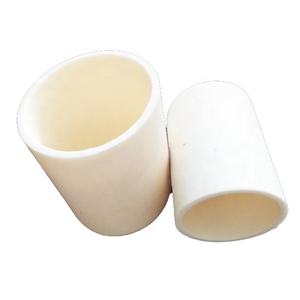
A Ceramic Crucible is a vessel designed to withstand extreme temperatures for melting, calcining, or reacting chemical substances. Advanced ceramic crucibles are engineered from high-purity materials like Alumina, Zirconia, Boron Nitride, or Magnesia, chosen for their ability to contain specific molten materials without contamination or failure.
Features of Alumina and Zirconia Ceramic Labware Crucibles for Various Applications
- Extreme Temperature Resistance: Can operate continuously from 1000°C to over 1800°C, depending on the material.
- High Purity & Chemical Inertness: Minimizes reaction with and contamination of the melt (metal, glass, salt, ash).
- Excellent Thermal Shock Resistance: (Grade-dependent) Can withstand rapid heating and cooling cycles.
- Variety of Compositions & Designs: Tailored for specific applications (e.g., BN for reactive metals, ZrO₂ for precious metals, MgO for basic slags).
- Durable & Reusable: High-quality crucibles can survive multiple cycles, providing long service life.
Specifications of Alumina and Zirconia Ceramic Labware Crucibles for Various Applications
Alumina and Zirconia Ceramic Labware Crucibles
Product and Pureness
Our crucibles are made from high-purity alumina (Al ₂ O FOUR) or zirconia (ZrO TWO). Alumina crucibles have 99.5% to 99.8% pure aluminum oxide. Zirconia crucibles utilize yttria-stabilized zirconia with 94% to 97% ZrO ₂ content. Both materials offer excellent chemical resistance and thermal security.
Temperature Resistance
Alumina crucibles function safely up to 1700 ° C in air. Zirconia crucibles take care of also greater temperature levels– approximately 2200 ° C– without warping. They stay strong and stable during repeated home heating and cooling down cycles.
Chemical Compatibility
Alumina withstands most acids, antacid, and molten metals. It is not ideal for usage with hydrofluoric acid or strong alkali fluxes at high warmth. Zirconia programs remarkable resistance to thaw steels like platinum, gold, and silver. It additionally endures aggressive slags and oxides that attack various other porcelains.
Physical Features
Both types have reduced thermal development and high mechanical stamina. Alumina is harder and extra wear-resistant. Zirconia offers better crack strength, which indicates it is less most likely to break under sudden tension or impact. Wall density ranges from 1 mm to 3 mm, depending on dimension and usage.
Common Applications
These crucibles are made use of in logical labs, material synthesis, ash screening, and steel spreading. Alumina is preferred for routine high-temperature work and sample combination. Zirconia is selected when extreme warm or responsive melts are included, such as in crystal growth or rare-earth processing.
Readily Available Shapes And Sizes
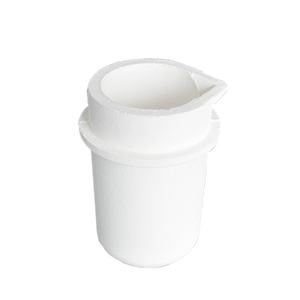
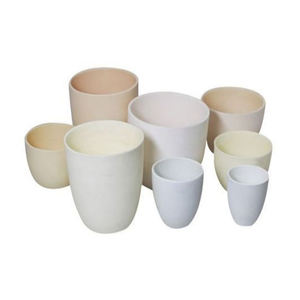
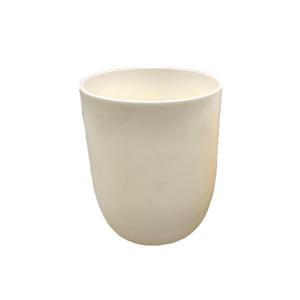
We provide conventional cylindrical, conelike, and boat-shaped crucibles. Capabilities range from 5 mL to 500 mL. Customized measurements and lids are additionally readily available upon demand. Each piece is meticulously inspected for splits, pores, and dimensional accuracy prior to delivery.
Applications of Alumina and Zirconia Ceramic Labware Crucibles for Various Applications
Applications of Alumina and Zirconia Ceramic Labware Crucibles
High-Temperature Performance You Can Count On
Alumina and zirconia crucibles take care of extreme heat without damaging down. They remain stable even over 1600 ° C. This makes them perfect for melting steels, ashing examples, or running high-temperature reactions in laboratories.
Chemical Resistance for Demanding Work
These ceramic crucibles stand up to assault from acids, bases, and molten salts. Alumina works well with a lot of chemicals other than strong alkalis and hydrofluoric acid. Zirconia uses also far better resistance in rough atmospheres, especially where thermal shock is a problem. Researchers depend on them when example purity issues.
Precision in Analytical and Research Labs
In analytical chemistry, tiny errors mess up results. Alumina and zirconia crucibles do not react with a lot of substances. They likewise release almost no impurities. This guarantees accurate dimensions throughout gravimetric analysis, loss-on-ignition examinations, or sample prep work for spectroscopy.
Industrial and Products Testing Uses
Past study laboratories, these crucibles support quality control in sectors such as metallurgy, ceramics, and electronics. They hold basic materials throughout sintering or calcination. Their longevity suggests fewer replacements and consistent efficiency over several home heating cycles.
Picking the Right Product
Pick alumina for general high-temperature jobs and price performance. Pick zirconia when you need optimal thermal shock resistance or work with responsive thaws. Both materials come in typical and customized shapes to fit common lab equipment like muffle heaters or hot plates.
These crucibles are not just containers– they are vital devices that help preserve integrity, security, and repeatability in scientific and commercial processes.

Company Profile
Synthetic-chemical focus on the research and development, production and sales of ceramic products, serving the electronics, ceramics, chemical and other industries. Since its establishment in 2015, the company has been committed to providing customers with the best products and services, and has become a leader in the industry through continuous technological innovation and strict quality management.
Our products includes but not limited to Aluminum Nitride, Aluminum Oxide, Boron Carbide, Boron Nitride, Ceramic Crucible, ect. If you are interested in any type of these, please feel free to contact us.

Payment Methods
T/T, Western Union, Paypal, Credit Card etc.
Shipment Methods
By air, by sea, by express, as customers request.
5 FAQs of Alumina and Zirconia Ceramic Labware Crucibles for Various Applications
Frequently Asked Questions About Alumina and Zirconia Ceramic Crucibles
What are alumina and zirconia crucibles used for?
These crucibles handle high-temperature tasks in labs and industry. Alumina crucibles work well for melting metals, ash testing, and firing ceramics. Zirconia crucibles resist thermal shock better and suit reactive materials like molten glass or aggressive slags.
How do I choose between alumina and zirconia?
Pick alumina for general high-heat use up to 1700°C. It is cost-effective and chemically stable with many substances. Choose zirconia when you need higher resistance to thermal cycling or when working with materials that react with alumina. Zirconia handles temperatures near 2200°C but costs more.
Are these crucibles safe for repeated heating and cooling?
Yes, both types endure repeated heating if handled properly. Avoid sudden temperature changes. Let the crucible heat and cool slowly. Zirconia performs better under fast temperature shifts, but gradual changes always help extend life.
Can I use these crucibles with strong acids or bases?
Alumina resists most acids except hydrofluoric acid and hot concentrated alkalis. Zirconia offers better resistance to alkalis but can still degrade in strong acidic conditions over time. Always check chemical compatibility before use.
How should I clean and store my ceramic crucible?
Let the crucible cool fully before cleaning. Remove residues with a soft brush or soak in mild detergent. Never use metal tools—they scratch the surface. Store in a dry place away from dust and moisture. Keep each crucible separate to prevent chipping.
REQUEST A QUOTE
RELATED PRODUCTS

Custom High Temperature Refractory Alumina Ceramic Crucible for Kiln
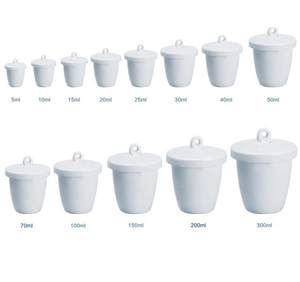
Industrial Heat Resistant Alumina Ceramic Crucible Melting Pot
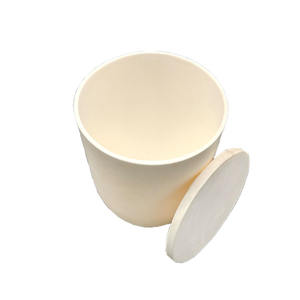
High Purity Quartz Ceramic Silica Crucible for Platinum Melting
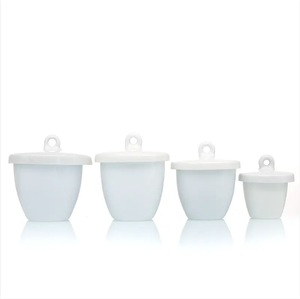
Alumina Ceramic Thermal Analysis Small Crucible with Lid
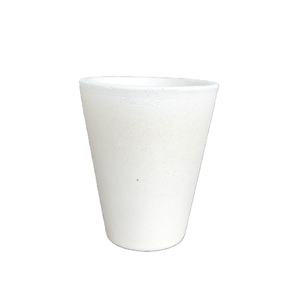
High Purity Magnesium Oxide Ceramic Rectangular Crucible Boat