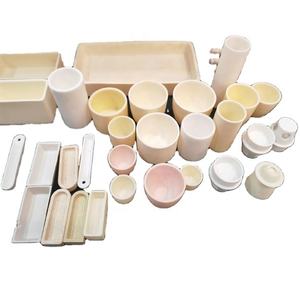
Next-Generation Ceramics: Unlocking Superior Properties for Industry

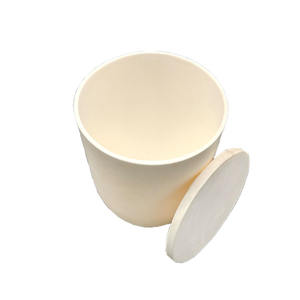
PRODUCT PARAMETERS
Description
Overview of Alumina Ceramic Casting Crucible for Thermal Analyzer Instruments
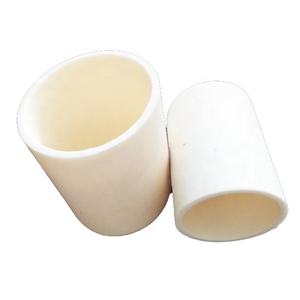
A Ceramic Crucible is a vessel designed to withstand extreme temperatures for melting, calcining, or reacting chemical substances. Advanced ceramic crucibles are engineered from high-purity materials like Alumina, Zirconia, Boron Nitride, or Magnesia, chosen for their ability to contain specific molten materials without contamination or failure.
Features of Alumina Ceramic Casting Crucible for Thermal Analyzer Instruments
- Extreme Temperature Resistance: Can operate continuously from 1000°C to over 1800°C, depending on the material.
- High Purity & Chemical Inertness: Minimizes reaction with and contamination of the melt (metal, glass, salt, ash).
- Excellent Thermal Shock Resistance: (Grade-dependent) Can withstand rapid heating and cooling cycles.
- Variety of Compositions & Designs: Tailored for specific applications (e.g., BN for reactive metals, ZrO₂ for precious metals, MgO for basic slags).
- Durable & Reusable: High-quality crucibles can survive multiple cycles, providing long service life.
Specifications of Alumina Ceramic Casting Crucible for Thermal Analyzer Instruments
Alumina Porcelain Spreading Crucible for Thermal Analyzer Instruments
Material and Pureness
This crucible is made from high-purity alumina ceramic. The alumina content is 99.7% or greater. This ensures exceptional resistance to chemical rust and thermal shock. It remains stable also when subjected to hostile examples or high temperatures.
Temperature Efficiency
The crucible can handle constant consume to 1650 ° C (3002 ° F). It preserves its form and honesty under repeated heating and cooling down cycles. This makes it suitable for demanding thermal evaluation applications like TGA, DSC, and DTA.
Design and Dimensions
Each crucible includes a smooth indoor surface area and consistent wall density. Criterion dimensions consist of 5 mm, 6 mm, and 7 mm in diameter, with heights varying from 3 mm to 8 mm. Custom-made dimensions are also available upon request. The exact geometry makes certain precise sample positioning and reputable test outcomes.
Surface Area End Up and Cleanliness
The crucibles undertake stringent cleaning treatments before packaging. They have a fine, consistent surface area finish that minimizes example attachment. This helps in reducing contamination and boosts measurement repeatability.
Packaging and Handling
Crucibles are crammed in tidy, covered containers to avoid dirt or wetness direct exposure. Each unit is handled with care to prevent damaging or breaking. Constantly utilize ceramic or plastic tweezers throughout managing to preserve pureness and avoid damages.
Compatibility
These crucibles function well with the majority of thermal analyzers from significant makers. They appropriate for use with inert, oxidizing, and mildly lowering ambiences. Stay clear of call with solid acids, alkalis, or responsive metals at elevated temperature levels, as these may break down the ceramic over time.
Note: Constantly pre-fire new crucibles before initial usage to get rid of any kind of recurring dampness and ensure baseline stability in your dimensions.
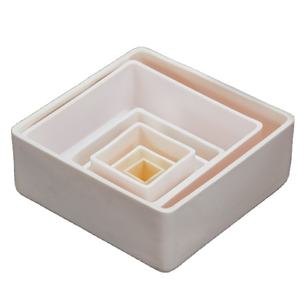
Applications of Alumina Ceramic Casting Crucible for Thermal Analyzer Instruments
Applications of Alumina Ceramic Spreading Crucible for Thermal Analyzer Instruments
High-Temperature Stability for Accurate Testing
Alumina ceramic casting crucibles are extensively used in thermal analyzer instruments. These crucibles deal with really high temperatures without transforming form or breaking down. They remain steady even when warmed above 1600 ° C. This makes them suitable for tests that require consistent warmth over extended periods.
Why alumina? Alumina withstands chain reactions. It does not respond with a lot of examples during evaluation. This maintains examination outcomes tidy and trusted. Users get exact information without disturbance from the crucible itself.
Perfect Fit for Usual Thermal Analysis Techniques
These crucibles function well with standard thermal analysis methods. They are frequently made use of in Thermogravimetric Analysis (TGA), Differential Scanning Calorimetry (DSC), and Differential Thermal Analysis (DTA). Each approach needs a container that can sustain fast heating and cooling cycles. Alumina crucibles satisfy this demand without fracturing or warping.
The smooth internal surface area of the crucible helps with sample loading and cleansing. It likewise lowers the possibility of deposit sticking after screening. This conserves time in between runs and supports repeatable measurements.
Sturdy and Cost-Effective
Alumina ceramic crucibles last longer than numerous alternatives. They withstand thermal shock, which implies they make it through unexpected temperature level changes. Labs make use of fewer substitutes with time, decreasing operating costs.
Their easy style fits a lot of instrument example owners. No special adapters are required. This makes switching between tests quick and easy.
Makers create these crucibles in standard dimensions. Users can find the appropriate suit for their devices without personalized orders. Constant dimensions guarantee uniform performance across different instruments and labs.
Alumina crucibles also support both inert and oxidizing environments. This flexibility enables researchers to run a variety of experiments without altering containers. Whether assessing metals, polymers, or porcelains, the crucible performs accurately every single time.

Company Profile
Synthetic-chemical focus on the research and development, production and sales of ceramic products, serving the electronics, ceramics, chemical and other industries. Since its establishment in 2015, the company has been committed to providing customers with the best products and services, and has become a leader in the industry through continuous technological innovation and strict quality management.
Our products includes but not limited to Aluminum Nitride, Aluminum Oxide, Boron Carbide, Boron Nitride, Ceramic Crucible, ect. If you are interested in any type of these, please feel free to contact us.

Payment Methods
T/T, Western Union, Paypal, Credit Card etc.
Shipment Methods
By air, by sea, by express, as customers request.
5 FAQs of Alumina Ceramic Casting Crucible for Thermal Analyzer Instruments
Frequently Asked Questions: Alumina Ceramic Casting Crucible for Thermal Analyzer Instruments
What is an alumina ceramic crucible used for?
This crucible holds small samples during thermal analysis. It works inside instruments like TGA or DSC. The material must stay stable at high heat and not react with the sample.
Why choose alumina over other materials?
Alumina resists very high temperatures—up to 1700°C. It does not melt, warp, or release gases easily. It also stays chemically neutral with most substances, so your test results stay accurate.
Can I reuse the crucible?
Yes, you can reuse it if it shows no cracks or residue. Clean it gently after each use. Avoid sudden temperature changes. These steps help keep the crucible in good shape for many tests.
How do I clean the crucible properly?
Let it cool down fully first. Then rinse with distilled water. For stubborn residue, use a soft brush or mild acid wash. Never scrub hard or use metal tools. Dry it slowly before storing or using again.
Does the crucible affect my test results?
A high-quality alumina crucible will not interfere with your data. It has low thermal mass and reacts with almost nothing. Just make sure it is clean and undamaged before each run. This keeps your measurements reliable.
REQUEST A QUOTE
RELATED PRODUCTS
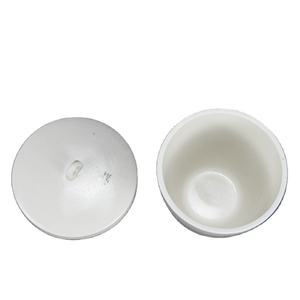
Jewelry Ceramic Crucible Dish for Melting Gold and Silver
High Purity Yttria Stabilized Zirconia Ceramic Crucible for Platinum
Custom High Purity Alumina Zirconia Ceramic Crucible Boats Saggar
Custom Zirconia Ceramic Grinding Media Rods Bars Crucibles
Lab Glassware Ceramics Core Crucible 30ml 60ml G1 To G5