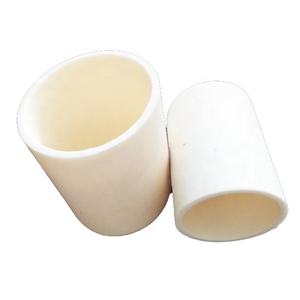
Next-Generation Ceramics: Unlocking Superior Properties for Industry

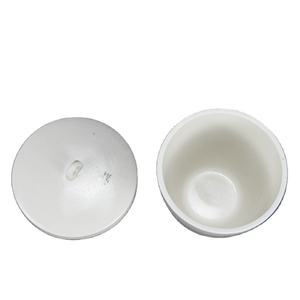
PRODUCT PARAMETERS
Description
Overview of Ceramic Crucible for Melting Glass Raw Materials High Temperature
A Ceramic Crucible is a vessel designed to withstand extreme temperatures for melting, calcining, or reacting chemical substances. Advanced ceramic crucibles are engineered from high-purity materials like Alumina, Zirconia, Boron Nitride, or Magnesia, chosen for their ability to contain specific molten materials without contamination or failure.
Features of Ceramic Crucible for Melting Glass Raw Materials High Temperature
- Extreme Temperature Resistance: Can operate continuously from 1000°C to over 1800°C, depending on the material.
- High Purity & Chemical Inertness: Minimizes reaction with and contamination of the melt (metal, glass, salt, ash).
- Excellent Thermal Shock Resistance: (Grade-dependent) Can withstand rapid heating and cooling cycles.
- Variety of Compositions & Designs: Tailored for specific applications (e.g., BN for reactive metals, ZrO₂ for precious metals, MgO for basic slags).
- Durable & Reusable: High-quality crucibles can survive multiple cycles, providing long service life.
Specifications of Ceramic Crucible for Melting Glass Raw Materials High Temperature
High-Temperature Ceramic Crucible for Melting Glass Raw Products
Product and Construction
This crucible is made from high-purity alumina ceramic. The product offers superb resistance to thermal shock and chemical deterioration. It preserves structural integrity also under severe heat. The thick, fine-grained structure prevents glass melt from leaking right into the walls. This guarantees clean melting and minimizes contamination threat.
Temperature Performance
The crucible can securely run at temperatures as much as 1700 ° C (3092 ° F). It handles duplicated heating and cooling down cycles without splitting or flawing. This makes it suitable for batch melting of glass raw materials in research laboratory or small production setups.
Layout Functions
Its round form provides consistent warmth circulation throughout melting. The smooth indoor surface area allows very easy pouring and cleaning up after usage. Requirement sizes range from 50 ml to 500 ml capability, with custom alternatives readily available upon request. Each crucible has a level bottom for secure positioning inside heating systems or kilns.
Applications
Strong performance in glass solution, shade testing, and frit prep work. Appropriate for melting soda-lime, borosilicate, and specialized glasses. Additionally used in research study involving high-temperature responses where pureness and stability are crucial.
Handling and Care
Always pre-heat the crucible slowly before reaching full operating temperature. Stay clear of sudden temperature level adjustments to prevent thermal stress. Usage tidy, completely dry tongs when handling. Store in a completely dry location away from dampness or dust. Do not subject the crucible to mechanical effect or sharp tools during use or cleaning.
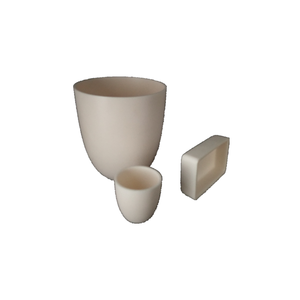
Applications of Ceramic Crucible for Melting Glass Raw Materials High Temperature
Applications of Ceramic Crucibles for Thawing Glass Raw Products at High Temperatures
Why Ceramic Crucibles Are Essential
Ceramic crucibles play a vital function in melting glass basic materials. These containers have to handle severe warm without breaking down or reacting with the molten glass. Made from high-purity refractory porcelains like alumina or zirconia, they offer solid resistance to thermal shock and chemical rust. This makes them suitable for duplicated usage popular glassmaking atmospheres.
Use in Research Laboratory and Commercial Setups
In research laboratories, ceramic crucibles aid researchers test new glass compositions. Their stability makes certain precise outcomes because they do not pollute the thaw. In industrial manufacturing, massive ceramic crucibles hold tons of basic material throughout continual melting procedures. They preserve regular efficiency also after lengthy exposure to temperatures over 1500 ° C.
Handling Different Kind Of Glass
These crucibles work well with lots of glass types, including soda-lime, borosilicate, and optical glass. Each glass formula has one-of-a-kind melting points and chemical behaviors. The inert nature of top quality ceramic crucibles stops unwanted responses that might cloud the end product or weaken its structure. This pureness is particularly crucial for specialized glasses used in lenses, screens, or medical tools.
Sturdiness and Cost Efficiency
Ceramic crucibles last longer than several alternatives. Their capacity to stand up to fast home heating and cooling down cycles minimizes substitute frequency. This sturdiness decreases general operating costs. Customers additionally benefit from cleaner melts, which indicates less waste and fewer flaws in finished glass products. Correct managing even more expands service life, making these crucibles a wise financial investment for both tiny workshops and major makers.

Company Profile
Synthetic-chemical focus on the research and development, production and sales of ceramic products, serving the electronics, ceramics, chemical and other industries. Since its establishment in 2015, the company has been committed to providing customers with the best products and services, and has become a leader in the industry through continuous technological innovation and strict quality management.
Our products includes but not limited to Aluminum Nitride, Aluminum Oxide, Boron Carbide, Boron Nitride, Ceramic Crucible, ect. If you are interested in any type of these, please feel free to contact us.

Payment Methods
T/T, Western Union, Paypal, Credit Card etc.
Shipment Methods
By air, by sea, by express, as customers request.
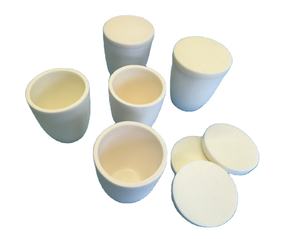
5 FAQs of Ceramic Crucible for Melting Glass Raw Materials High Temperature
Frequently Asked Questions About Ceramic Crucibles for Melting Glass
What is a ceramic crucible used for?
A ceramic crucible holds glass raw materials when they are melted at high temperatures. It can handle extreme heat without breaking or reacting with the glass. This makes it ideal for small-scale glassmaking, labs, and studios.
What temperature can this crucible withstand?
These crucibles work safely up to 1600°C (2912°F). They are made from high-purity alumina or zirconia, which stay strong even when heated repeatedly. Always check your specific model’s max temperature before use.
Why choose ceramic over metal crucibles?
Metal crucibles can melt, corrode, or mix unwanted elements into the glass. Ceramic ones do not react with most glass compositions. They also keep their shape better under long heating cycles. That means cleaner melts and fewer defects in your final product.
How do I prevent my crucible from cracking?
Heat and cool the crucible slowly. Sudden temperature changes cause stress and cracks. Preheat it before adding raw materials. Never place a hot crucible on a cold surface. Also, avoid mechanical shocks like dropping or hitting it.
Can I reuse the crucible?
Yes, you can reuse it many times if handled properly. After each use, let it cool fully. Clean out leftover glass gently—do not scrape hard. Inspect it for hairline cracks or wear before reheating. Replace it if you see damage to avoid contamination or breakage during melting.
REQUEST A QUOTE
RELATED PRODUCTS
High Pure Good Induction Graphite Ceramic Crucible For Gold Silver Melting
1kg To 5kg Graphite Crucible With Ceramic For Gold Silver Melting
Graphite Gold Melting Crucible with Ceramic Coat for Induction
Big Size High Purity Alumina Ceramic Crucible for Heavy Duty
Jewelry Ceramic Crucible Dish for Melting Gold and Silver