Next-Generation Ceramics: Unlocking Superior Properties for Industry

PRODUCT PARAMETERS
Description
Overview of High Pure Temperature Resistant Sintered Yttria Zirconia Crucible
A Ceramic Crucible is a vessel designed to withstand extreme temperatures for melting, calcining, or reacting chemical substances. Advanced ceramic crucibles are engineered from high-purity materials like Alumina, Zirconia, Boron Nitride, or Magnesia, chosen for their ability to contain specific molten materials without contamination or failure.
Features of High Pure Temperature Resistant Sintered Yttria Zirconia Crucible
- Extreme Temperature Resistance: Can operate continuously from 1000°C to over 1800°C, depending on the material.
- High Purity & Chemical Inertness: Minimizes reaction with and contamination of the melt (metal, glass, salt, ash).
- Excellent Thermal Shock Resistance: (Grade-dependent) Can withstand rapid heating and cooling cycles.
- Variety of Compositions & Designs: Tailored for specific applications (e.g., BN for reactive metals, ZrO₂ for precious metals, MgO for basic slags).
- Durable & Reusable: High-quality crucibles can survive multiple cycles, providing long service life.
Specifications of High Pure Temperature Resistant Sintered Yttria Zirconia Crucible
High-Purity Temperature-Resistant Sintered Yttria Zirconia Crucible
Product Make-up
This crucible is made from sintered yttria-stabilized zirconia (YSZ). The product has a high percent of zirconium dioxide (ZrO ₂), stabilized with 8% yttrium oxide (Y ₂ O TWO). This combination provides the crucible excellent thermal and chemical stability. The purity degree gets to 99.9% or higher , which makes sure minimal contamination throughout high-temperature procedures.
Temperature level Resistance
The crucible can stand up to continual usage at temperature levels approximately 2,200 ° C in oxidizing environments. It maintains its form and strength even under extreme thermal cycling. There is no melting, fracturing, or contortion listed below this limitation. Its reduced thermal conductivity helps in reducing warm loss and boosts power performance in heaters.
Physical Qualities
The sintered structure supplies high density and reduced porosity. This makes the crucible immune to metal infiltration and chemical attack from liquified products like unusual earth metals, platinum group steels, and responsive oxides. The common bulk density is 5.6– 6.0 g/cm SIX , and firmness is around 1200 HV on the Vickers range. These functions support lengthy life span and constant efficiency.
Applications
This crucible is perfect for melting, casting, and crystal development of high-purity metals and porcelains. It is widely made use of in labs and sectors that require contamination-free environments– such as semiconductor production, fiber optics manufacturing, and advanced products study. It additionally functions well in vacuum cleaner or inert gas settings.
Measurements and Modification
Criterion sizes range from little lab-scale (10 mL) to larger industrial quantities (approximately 500 mL). Wall surface thickness is normally 2– 5 mm , depending upon capability. Custom forms, quantities, and resistances are offered upon request to meet particular procedure needs. Each system undergoes rigorous top quality checks prior to shipment.
Applications of High Pure Temperature Resistant Sintered Yttria Zirconia Crucible
Applications of High-Purity Temperature-Resistant Sintered Yttria Zirconia Crucible
Reputable Efficiency in Extreme Heat
High-purity sintered yttria zirconia crucibles handle really high temperatures without breaking down. They remain steady also above 2,000 ° C. This makes them perfect for processes that require extreme warm and chemical resistance.
Steel and Alloy Thawing
These crucibles are widely made use of to melt responsive and rare-earth steels like titanium, zirconium, and hafnium. The material does not respond with the molten metal. It maintains the steel pure and stops contamination throughout melting and casting.
Crystal Development Processes
In industries that grow single crystals– such as sapphire or yttrium aluminum garnet (YAG)– these crucibles offer a tidy, inert setting. Their stability guarantees consistent crystal top quality. No unwanted elements seep right into the thaw.
Research and Research Laboratory Usage
Labs depend on yttria zirconia crucibles for high-temperature experiments. They are utilized in thermal evaluation, ash screening, and sample prep work. The crucibles withstand thermal shock and keep honesty via duplicated heating and cooling cycles.
Ceramics and Advanced Products Processing
When making sophisticated ceramics or specialty powders, even tiny contaminations can destroy the final product. Yttria zirconia crucibles provide a contamination-free container. They sustain sintering, calcination, and various other high-heat therapies without presenting international compounds.
Semiconductor and Electronic Devices Production
In semiconductor manufacturing, pureness is essential. These crucibles hold and refine materials used in thin-film deposition and wafer manufacture. Their non-reactive surface aids maintain the exact chemical make-up required for high-performance electronics.
Constructed for demanding conditions, high-purity sintered yttria zirconia crucibles deliver unrivaled integrity where common containers fail. Their combination of thermal endurance, chemical inertness, and structural stamina makes them crucial throughout multiple sophisticated areas.

Company Profile
Synthetic-chemical focus on the research and development, production and sales of ceramic products, serving the electronics, ceramics, chemical and other industries. Since its establishment in 2015, the company has been committed to providing customers with the best products and services, and has become a leader in the industry through continuous technological innovation and strict quality management.
Our products includes but not limited to Aluminum Nitride, Aluminum Oxide, Boron Carbide, Boron Nitride, Ceramic Crucible, ect. If you are interested in any type of these, please feel free to contact us.

Payment Methods
T/T, Western Union, Paypal, Credit Card etc.
Shipment Methods
By air, by sea, by express, as customers request.
5 FAQs of High Pure Temperature Resistant Sintered Yttria Zirconia Crucible
Frequently Asked Questions
What is a sintered yttria zirconia crucible?
This crucible is made from high-purity zirconium oxide mixed with yttria. The material is shaped and heated until it becomes solid without melting—this process is called sintering. The result is a strong, dense container that can hold molten materials at very high temperatures.
Why choose high purity?
High purity means fewer impurities in the material. Impurities can react with your samples or melt during high-temperature use. A pure crucible keeps your experiments clean and accurate. It also lasts longer because it resists chemical attack better.
How hot can it get?
These crucibles work safely up to 2,400°C (4,350°F). They stay stable even when heated quickly or cooled down fast. This makes them ideal for melting metals, growing crystals, or running lab tests that need extreme heat.
Is it safe for reactive materials?
Yes. Yttria-stabilized zirconia is chemically inert. It does not easily react with acids, bases, or molten metals like platinum, gold, or rare earth elements. This stability protects both your sample and your equipment.
How do I handle and care for it?
Always wear heat-resistant gloves when handling a hot crucible. Avoid sudden temperature changes if possible—they can cause cracks over time. Clean it gently with soft brushes or mild solvents. Never use metal tools that might scratch or chip the surface. Store it in a dry place to prevent moisture buildup.
REQUEST A QUOTE
RELATED PRODUCTS
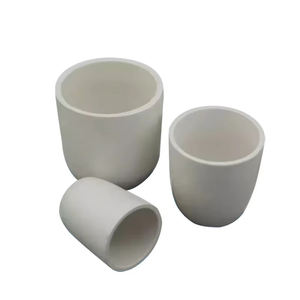
Custom High Purity Alumina Zirconia Ceramic Crucible Boats Saggar
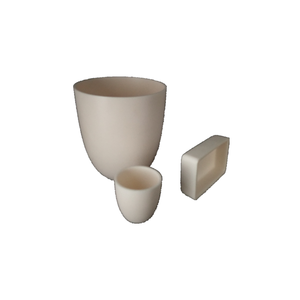
Custom Large Capacity Zirconia Ceramic Melting Crucible Pot

Square Alumina Ceramic Insulation Crucible For Chemical Analysis
High Temperature 1650 C Silicon Carbide Graphite Brass Melting
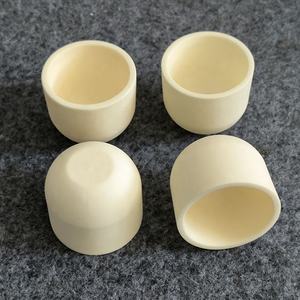
Alumina Ceramic Crucible Commercial Temperature Resistant Corundum