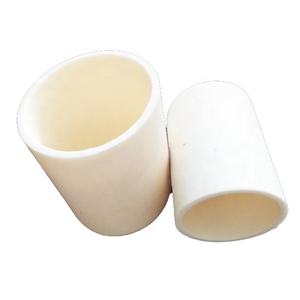
Next-Generation Ceramics: Unlocking Superior Properties for Industry

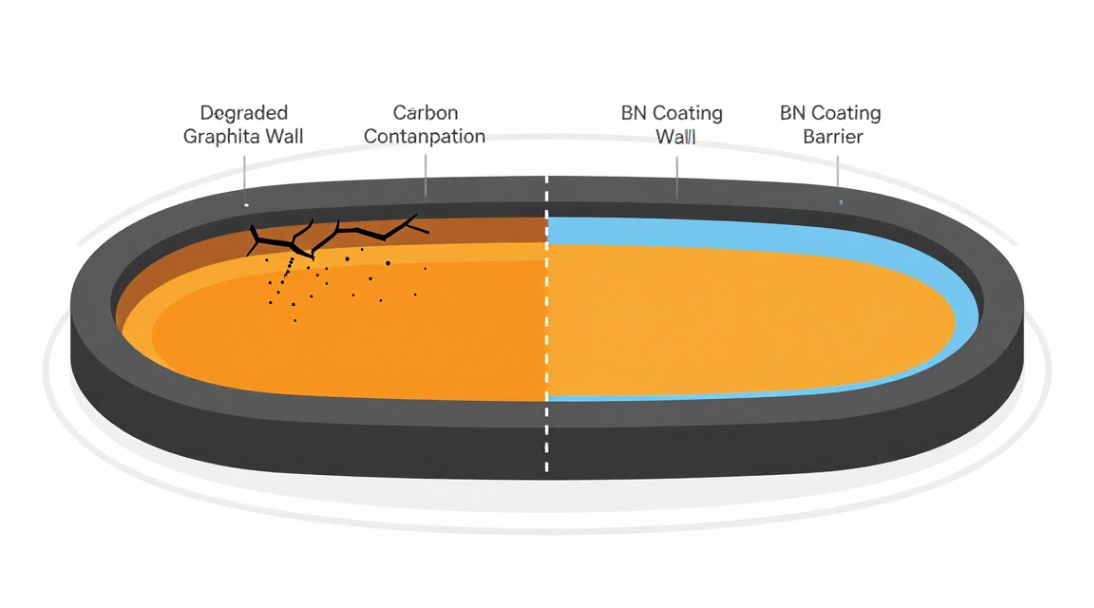
PRODUCT PARAMETERS
Description
Overview of High Purity High Temperature Zirconia Quartz Alumina Crucibles For R&D
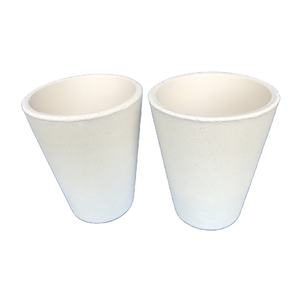
A Ceramic Crucible is a vessel designed to withstand extreme temperatures for melting, calcining, or reacting chemical substances. Advanced ceramic crucibles are engineered from high-purity materials like Alumina, Zirconia, Boron Nitride, or Magnesia, chosen for their ability to contain specific molten materials without contamination or failure.
Features of High Purity High Temperature Zirconia Quartz Alumina Crucibles For R&D
- Extreme Temperature Resistance: Can operate continuously from 1000°C to over 1800°C, depending on the material.
- High Purity & Chemical Inertness: Minimizes reaction with and contamination of the melt (metal, glass, salt, ash).
- Excellent Thermal Shock Resistance: (Grade-dependent) Can withstand rapid heating and cooling cycles.
- Variety of Compositions & Designs: Tailored for specific applications (e.g., BN for reactive metals, ZrO₂ for precious metals, MgO for basic slags).
- Durable & Reusable: High-quality crucibles can survive multiple cycles, providing long service life.
Specifications of High Purity High Temperature Zirconia Quartz Alumina Crucibles For R&D
High Purity High Temperature Crucibles for Advanced R&D
Product Excellence for Demanding Applications
These crucibles are made from high pureness zirconia, quartz, or alumina. Each product supplies one-of-a-kind benefits for r & d. Zirconia crucibles take care of severe heat and stand up to thermal shock. Quartz crucibles provide outstanding chemical inertness and optical clearness. Alumina crucibles supply strong mechanical security and high melting factor performance.
All crucibles make use of raw materials with pureness levels over 99.9%. This makes certain minimal contamination during high-temperature processes. Researchers can rely on consistent results without disturbance from contaminations.
Developed for Extreme Conditions
Operating temperatures reach up to 1700 ° C for alumina, 1650 ° C for zirconia, and 1200 ° C for quartz. Each crucible maintains architectural stability also under rapid home heating or cooling cycles. The layout stops breaking, warping, or contortion throughout prolonged use.
Wall surface thickness and form are meticulously controlled. Basic options include round, watercraft, and meal designs. Customized dimensions are additionally readily available to match specific experimental setups.
Precision Crafted for Laboratory Reliability
Every crucible undertakes stringent quality checks. Dimensions are held to tight tolerances. Surfaces are smooth to decrease sample attachment and simplify cleaning. These attributes help maintain accuracy across duplicated trials.
These crucibles work well in furnaces, sintering systems, and analytical tools. They match applications like crystal growth, ash testing, metal melting, and ceramic synthesis. Their dependability supports both academic research studies and industrial R&D.
Choose the right material based upon your temperature requires, chemical environment, and sample type. With these crucibles, you obtain dependable efficiency where accuracy matters most.
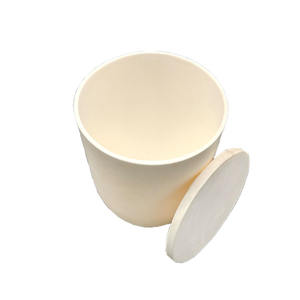
Applications of High Purity High Temperature Zirconia Quartz Alumina Crucibles For R&D
Applications of High-Purity, High-Temperature Zirconia, Quartz, and Alumina Crucibles in R&D
Accuracy Products for Demanding Study
High-purity zirconia, quartz, and alumina crucibles are essential tools in advanced r & d. These crucibles take care of severe temperature levels without breaking down or reacting with the products inside. Researchers count on them when dealing with responsive steels, rare earth elements, or high-melting-point compounds.
Zirconia crucibles offer outstanding thermal shock resistance and chemical inertness. They are excellent for melting platinum team metals or expanding solitary crystals. Their stability at temperature levels above 2,000 ° C makes them a leading option in products science labs.
Quartz crucibles supply unrivaled pureness and openness to noticeable light and UV radiation. Scientists use them in semiconductor advancement, fiber optics production, and solar battery manufacturing. Quartz remains steady in tidy, oxidizing atmospheres and does not pollute delicate melts.
Alumina crucibles equilibrium cost, sturdiness, and efficiency. They withstand corrosion from several acids and alkalis. Labs utilize them for ash screening, example blend, and high-temperature calcination. Their mechanical toughness holds up well under repeated heating and cooling down cycles.
Each product serves specific needs. Zirconia excels in ultra-high-temperature, chemically hostile settings. Quartz matches applications needing optical clearness and very little impurities. Alumina delivers trustworthy performance throughout a wide series of standard high-temperature procedures.
These crucibles aid maintain sample honesty. Also trace contamination can wreck an experiment. That’s why researchers select crucibles made from products refined to 99.9% pureness or higher. Regular wall thickness and smooth inner surfaces additionally minimize the risk of unwanted reactions or deposit buildup.
In modern laboratories, the appropriate crucible is not just a container– it’s a crucial component of the speculative arrangement. Selecting zirconia, quartz, or alumina depends on temperature level needs, chemical compatibility, and the sensitivity of the procedure. All three support advancement by making sure accuracy, repeatability, and security in high-stakes R&D job.

Company Profile
Synthetic-chemical focus on the research and development, production and sales of ceramic products, serving the electronics, ceramics, chemical and other industries. Since its establishment in 2015, the company has been committed to providing customers with the best products and services, and has become a leader in the industry through continuous technological innovation and strict quality management.
Our products includes but not limited to Aluminum Nitride, Aluminum Oxide, Boron Carbide, Boron Nitride, Ceramic Crucible, ect. If you are interested in any type of these, please feel free to contact us.

Payment Methods
T/T, Western Union, Paypal, Credit Card etc.
Shipment Methods
By air, by sea, by express, as customers request.
5 FAQs of High Purity High Temperature Zirconia Quartz Alumina Crucibles For R&D
Frequently Asked Questions: High Purity High Temperature Crucibles for R&D
What materials are these crucibles made of?
These crucibles are made from high-purity zirconia, quartz, or alumina. Each material offers excellent resistance to heat and chemical corrosion. They contain no additives that could contaminate your samples during high-temperature processes.
What temperatures can they withstand?
Zirconia crucibles work well up to 2,200°C. Quartz versions handle up to 1,200°C in normal use but may soften near 1,650°C. Alumina crucibles perform reliably up to 1,700°C. All three types maintain structural integrity under repeated thermal cycling in lab environments.
Why choose high purity for research applications?
High purity prevents unwanted reactions between the crucible and your sample. Even tiny impurities can affect experimental results. These crucibles are ideal for sensitive analyses like trace element detection, crystal growth, or advanced material synthesis.
Are these crucibles reusable?
Yes, they are designed for multiple uses if handled properly. Avoid sudden temperature changes and mechanical shock. Clean them gently after each use with appropriate solvents or acids, depending on your process residues.
Which material should I pick for my experiment?
Choose zirconia for extreme temperatures and inertness with molten metals. Use quartz when optical clarity or low thermal expansion matters, especially below 1,100°C. Pick alumina for general high-temperature work with good chemical stability and cost efficiency. Always match the crucible material to your sample chemistry and heating profile.
REQUEST A QUOTE
RELATED PRODUCTS
Custom Zirconia Ceramic Crucible for Various Industrial Uses
High Alumina Corundum Ceramic Crucible Conical Shape for Industry
Jewelry Graphite and Ceramic Crucible for Melting and Casting
Cordial Heat Resistant Porcelain Crucible for Laboratory Use
Industrial Temperature Resistance Alumina Ceramic Crucible Melting Pot