Next-Generation Ceramics: Unlocking Superior Properties for Industry

PRODUCT PARAMETERS
Description
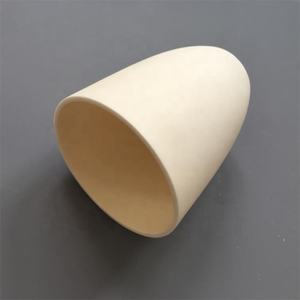
Overview of High Temperature Alumina Ceramic Crucible for Muffle Furnace
A Ceramic Crucible is a vessel designed to withstand extreme temperatures for melting, calcining, or reacting chemical substances. Advanced ceramic crucibles are engineered from high-purity materials like Alumina, Zirconia, Boron Nitride, or Magnesia, chosen for their ability to contain specific molten materials without contamination or failure.
Features of High Temperature Alumina Ceramic Crucible for Muffle Furnace
- Extreme Temperature Resistance: Can operate continuously from 1000°C to over 1800°C, depending on the material.
- High Purity & Chemical Inertness: Minimizes reaction with and contamination of the melt (metal, glass, salt, ash).
- Excellent Thermal Shock Resistance: (Grade-dependent) Can withstand rapid heating and cooling cycles.
- Variety of Compositions & Designs: Tailored for specific applications (e.g., BN for reactive metals, ZrO₂ for precious metals, MgO for basic slags).
- Durable & Reusable: High-quality crucibles can survive multiple cycles, providing long service life.
Specifications of High Temperature Alumina Ceramic Crucible for Muffle Furnace
High-Temperature Alumina Porcelain Crucible for Muffle Heating System
Material and Pureness
This crucible is made from high-purity alumina (Al ₂ O SIX). The alumina content is 99.5% or greater. This makes certain strong resistance to warmth and chain reaction. It remains stable even in harsh lab problems.
Temperature level Resistance
The crucible can handle continuous consume to 1700 ° C (3092 ° F). It functions well inside muffle heating systems without fracturing or deforming. Temporary direct exposure can go as high as 1800 ° C , yet long runs need to stay below 1700 ° C for ideal outcomes.
Physical Qualities
It has a smooth internal surface area that helps reduce sample sticking. The wall surface thickness is uniform, which supports even heating and minimizes thermal anxiety. Density is around 3.6 g/cm FIVE , providing it strong mechanical strength. Its firmness additionally makes it immune to scraping throughout handling.
Chemical Security
Solid acids, alkalis, and molten metals do not conveniently react with this crucible. It withstands rust from many typical laboratory reagents. However, stay clear of utilizing it with hydrofluoric acid or solid alkali changes like salt peroxide– they can damage the surface area.
Usual Applications
This crucible is perfect for ash testing, ignition loss evaluation, and high-temperature example prep work. Labs utilize it for fusing, calcining, and melting percentages of products. It fits basic muffle furnace chambers and deals with the majority of tongs and stands.
Available Dimensions
We provide numerous dimensions to match your requirements. Usual volumes include 10 mL, 30 mL, 50 mL, and 100 mL. Each size includes matching lids for far better control throughout heating. Customized measurements are also feasible upon request.
Care and Handling
Always warm and cool down the crucible slowly to prevent thermal shock. Use tidy, dry tongs when relocate. Do not go down or strike it– ceramic items can chip or break under effect. Store in a dry place away from dirt and dampness.
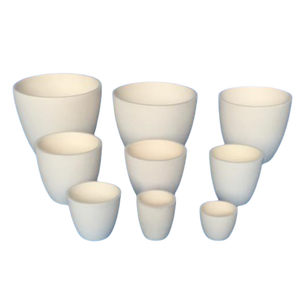
Applications of High Temperature Alumina Ceramic Crucible for Muffle Furnace
Applications of High-Temperature Alumina Ceramic Crucibles in Muffle Furnaces
Why Alumina Crucibles Are Trusted for High-Heat Work
High-temperature alumina ceramic crucibles are made from pure aluminum oxide. This material can take care of warm up to 1,700 ° C without damaging down. Because of this, they are extensively utilized inside muffle heaters where stable, tidy, and reliable performance matters most.
These crucibles withstand chain reactions. They do not respond with most acids, bases, or molten metals. That makes them suitable for melting, ashing, and calcining tasks in labs and manufacturing facilities. You can warm examples without fretting about contamination from the container itself.
Usual Uses Throughout Industries
In analytical research laboratories, alumina crucibles hold samples throughout loss-on-ignition tests or ash content evaluation. Their inert nature guarantees accurate results each time. In metallurgy, they safely consist of steel alloys during melting and spreading tests. The crucibles stay solid even after repeated heating and cooling down cycles.
Ceramic and glass manufacturers likewise rely on them. They utilize these crucibles to check raw materials or tiny sets of brand-new solutions at heats. Electronics producers rely upon them when sintering specialized powders for components like capacitors or sensors.
Built to Last Under Difficult Conditions
Alumina crucibles have reduced thermal growth. This implies they broaden very little bit when heated, lowering the risk of cracks. Their smooth surface prevents deposit accumulation, making cleansing simpler. Also after numerous uses, they maintain their shape and stability.
Since they do not take in moisture or launch gases when warm, they aid maintain a clean heater environment. This shields both your samples and your equipment.
Whether you operate in research, quality control, or manufacturing, a high-purity alumina ceramic crucible offers you constant performance under severe warm– without compromise.

Company Profile
Synthetic-chemical focus on the research and development, production and sales of ceramic products, serving the electronics, ceramics, chemical and other industries. Since its establishment in 2015, the company has been committed to providing customers with the best products and services, and has become a leader in the industry through continuous technological innovation and strict quality management.
Our products includes but not limited to Aluminum Nitride, Aluminum Oxide, Boron Carbide, Boron Nitride, Ceramic Crucible, ect. If you are interested in any type of these, please feel free to contact us.

Payment Methods
T/T, Western Union, Paypal, Credit Card etc.
Shipment Methods
By air, by sea, by express, as customers request.
5 FAQs of High Temperature Alumina Ceramic Crucible for Muffle Furnace
Frequently Asked Questions About High-Temperature Alumina Ceramic Crucibles
What is a high-temperature alumina ceramic crucible used for?
This crucible holds materials during high-heat processes. People use it in muffle furnaces for ash testing, sample fusion, and melting metals or oxides. It works well up to 1700°C and stays stable under extreme heat.
Why choose alumina over other ceramic materials?
Alumina has strong resistance to heat, chemicals, and wear. It does not react easily with most acids, bases, or molten substances. This makes it safer and more reliable than many other ceramics for lab or industrial use.
Can this crucible crack during rapid heating or cooling?
Yes, sudden temperature changes can cause cracks. Always heat and cool the crucible slowly. Let it warm up inside the furnace before reaching full temperature. Do the same when cooling—turn off the furnace and let it cool down naturally with the crucible inside.
How do I clean an alumina crucible after use?
First, let the crucible cool completely. Remove loose residue with a soft brush. For stuck-on material, soak it in dilute acid (like HCl) or water, then gently scrub. Never use metal tools—they can scratch or damage the surface.
How long does an alumina crucible last?
Its life depends on how you use it. With proper handling—avoiding thermal shock, chemical attacks, and physical impacts—it can last for many heating cycles. Inspect it regularly. If you see cracks, discoloration, or warping, replace it right away to avoid contamination or breakage.
REQUEST A QUOTE
RELATED PRODUCTS
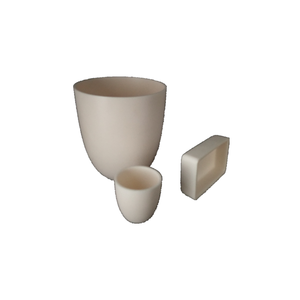
High Purity Alumina Ceramic Square Boat Sagger and Crucible with Lid
High Purity Alumina Ceramic Crucible for Thermal Analysis Instruments
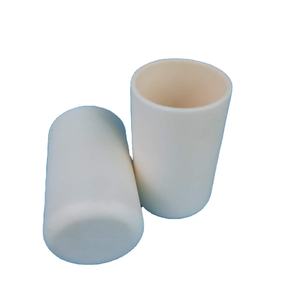
High Purity Alumina Ceramic Porcelain Corundum Mortar and Pestle
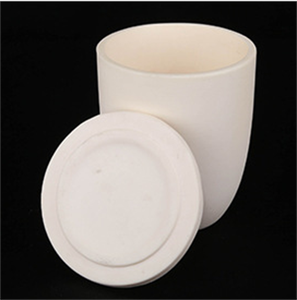
High Temperature Refractory Mini Alumina Ceramic Crucible for Kiln
High Purity Alumina Zirconia Ceramic Sagger Crucible Pot