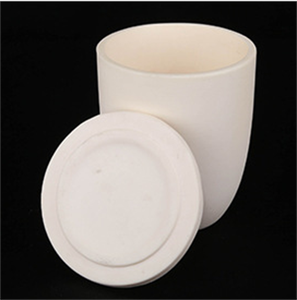
Next-Generation Ceramics: Unlocking Superior Properties for Industry

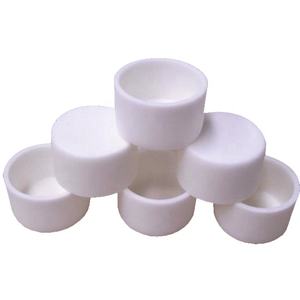
PRODUCT PARAMETERS
Description
Overview of High Temperature Alumina Ceramic Sagger Corundum Crucible
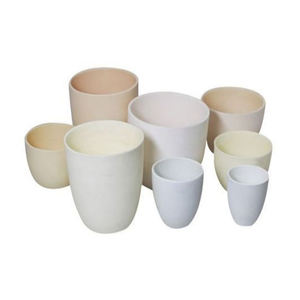
A Ceramic Crucible is a vessel designed to withstand extreme temperatures for melting, calcining, or reacting chemical substances. Advanced ceramic crucibles are engineered from high-purity materials like Alumina, Zirconia, Boron Nitride, or Magnesia, chosen for their ability to contain specific molten materials without contamination or failure.
Features of High Temperature Alumina Ceramic Sagger Corundum Crucible
- Extreme Temperature Resistance: Can operate continuously from 1000°C to over 1800°C, depending on the material.
- High Purity & Chemical Inertness: Minimizes reaction with and contamination of the melt (metal, glass, salt, ash).
- Excellent Thermal Shock Resistance: (Grade-dependent) Can withstand rapid heating and cooling cycles.
- Variety of Compositions & Designs: Tailored for specific applications (e.g., BN for reactive metals, ZrO₂ for precious metals, MgO for basic slags).
- Durable & Reusable: High-quality crucibles can survive multiple cycles, providing long service life.
Specifications of High Temperature Alumina Ceramic Sagger Corundum Crucible
High-Temperature Alumina Ceramic Sagger– Corundum Crucible Specs
Product Structure
This crucible is made from high-purity alumina (Al two O ₃), with a minimal material of 99.5%. The material is dense and fine-grained, offering excellent resistance to thermal shock and chemical rust. It has no binders or ingredients that might impact efficiency at heats.
Temperature Resistance
The sagger can operate constantly at temperatures up to 1700 ° C (3092 ° F ). It stays stable even under rapid heating and cooling cycles. This makes it excellent for use in electrical furnaces, kilns, and various other high-heat industrial processes.
Physical Properties
– Density : ≥ 3.6 g/cm ³.
– Hardness : 9 on the Mohs range.
– Thermal development coefficient : ~ 8.0 × 10 ⁻⁶/ ° C (20– 1000 ° C).
– Porosity : Much less than 0.5%.
These residential properties make certain solid mechanical strength and long service life, even in severe atmospheres.
Usual Applications
This crucible is commonly utilized in laboratories and markets for melting, calcining, and sintering materials such as steels, oxides, and uncommon earth compounds. It is likewise appropriate for holding responsive or corrosive materials during high-temperature treatment. Its inert nature protects against contamination of sensitive samples.
Offered Shapes And Sizes
Requirement forms include cylindrical, rectangle-shaped, and boat-style saggers. Custom-made measurements are readily available upon demand. Wall surface thickness generally varies from 5 mm to 15 mm , depending upon the dimension and planned use. All items undertake strict quality assurance to make certain regular efficiency.
Handling Notes
Although the product is tough, it is still ceramic and can fracture if gone down or subjected to sudden influence. Constantly take care of with care. Prevent straight call with liquified antacids metals or hydrofluoric acid, as these can harm the surface area. Store in a completely dry location to prevent wetness absorption before first use.
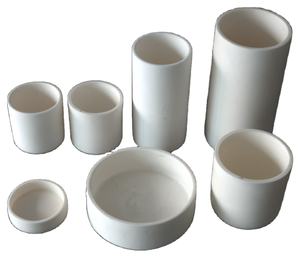
Applications of High Temperature Alumina Ceramic Sagger Corundum Crucible
Applications of High-Temperature Alumina Ceramic Sagger Diamond Crucible
High Efficiency in Extreme Warmth
The high-temperature alumina ceramic sagger diamond crucible deals with severe warmth without damaging down. It remains steady even when temperatures exceed 1700 ° C. This makes it perfect for processes that need solid, constant heat over extended periods.
Usage in Ceramics and Refractories
Factories utilize this crucible to fire advanced porcelains and refractory materials. Its pure alumina framework stands up to chemical reactions with lusters, powders, or molten materials. That indicates less pollutants enter the end product. The crucible additionally maintains its form under repeated home heating and cooling cycles.
Duty in Metallurgy and Alloy Production
In metal laboratories and shops, the crucible thaws and holds reactive or high-purity steels like titanium, zirconium, and rare earth alloys. It does not react with these steels, so the thaw stays clean. Employees rely on it for casting small batches where contamination must be stayed clear of.
Assistance for Electronic and Semiconductor Materials
Suppliers of electronic parts utilize the crucible to grow solitary crystals or procedure oxide powders. Since it launches nearly no pollutants, it assists produce materials with consistent electrical residential or commercial properties. This is critical for sensors, substrates, and protecting components.
Durability in Lab Setups
Study laboratories pick this crucible for example prep work and high-temperature evaluation. It withstands thermal shock much better than many other ceramics. Customers can heat it promptly or cool it quickly without cracking. Its smooth inside also makes cleaning much easier in between examinations.
Key Benefits:
– Excellent thermal security
– High resistance to chemical rust
– Low contamination danger
– Long service life under harsh problems
This crucible satisfies rigorous commercial and scientific demands. It delivers reliability where regular containers fail.

Company Profile
Synthetic-chemical focus on the research and development, production and sales of ceramic products, serving the electronics, ceramics, chemical and other industries. Since its establishment in 2015, the company has been committed to providing customers with the best products and services, and has become a leader in the industry through continuous technological innovation and strict quality management.
Our products includes but not limited to Aluminum Nitride, Aluminum Oxide, Boron Carbide, Boron Nitride, Ceramic Crucible, ect. If you are interested in any type of these, please feel free to contact us.

Payment Methods
T/T, Western Union, Paypal, Credit Card etc.
Shipment Methods
By air, by sea, by express, as customers request.
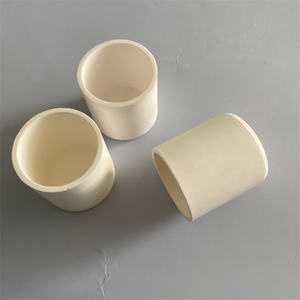
5 FAQs of High Temperature Alumina Ceramic Sagger Corundum Crucible
What is a high-temperature alumina ceramic sagger crucible?
A high-temperature alumina ceramic sagger crucible is made from pure aluminum oxide (Al₂O₃). It can handle very high heat without breaking down. People use it in kilns, furnaces, and labs to hold or protect materials during firing or melting.
Why choose alumina over other ceramics?
Alumina has better heat resistance than many other ceramics. It stays strong even above 1600°C. It also resists chemical attack and does not react easily with most metals or slags. This makes it ideal for demanding industrial or lab tasks.
Can it be reused?
Yes. These crucibles are built to last. If handled carefully and not shocked by sudden temperature changes, they can be used many times. Always let them heat up and cool down slowly to avoid cracks.
How do I clean a used crucible?
First, let the crucible cool completely. Then remove any leftover material with a soft brush or scraper. Do not use water if the residue is reactive. For stubborn buildup, heat the crucible empty at a moderate temperature to burn off impurities. Avoid harsh chemicals that might damage the surface.
What industries use these crucibles?
These crucibles are common in metallurgy, ceramics, glass making, and research labs. They help melt precious metals, fire advanced ceramics, grow crystals, or test high-temp materials. Their reliability under extreme conditions makes them a trusted choice across many fields.
REQUEST A QUOTE
RELATED PRODUCTS
50ml 100ml High Temperature Ceramic Platinum Crucible For Melting
High Purity 99.7 Boron Nitride BN Ceramic Rectangle Crucible
High Temperature Resistance Graphite Crucible for Ceramic Industry
General Purpose Smelting Ceramic Crucible for Various Applications
High Purity Magnesium Oxide Ceramic Rectangular Crucible Boat