Next-Generation Ceramics: Unlocking Superior Properties for Industry

PRODUCT PARAMETERS
Description
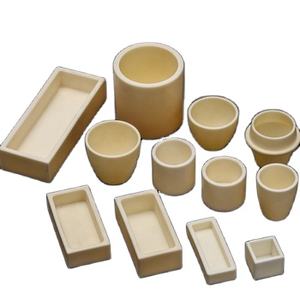
Overview of High Temperature Calcium Stabilized Zirconia Ceramic Crucible
A Ceramic Crucible is a vessel designed to withstand extreme temperatures for melting, calcining, or reacting chemical substances. Advanced ceramic crucibles are engineered from high-purity materials like Alumina, Zirconia, Boron Nitride, or Magnesia, chosen for their ability to contain specific molten materials without contamination or failure.
Features of High Temperature Calcium Stabilized Zirconia Ceramic Crucible
- Extreme Temperature Resistance: Can operate continuously from 1000°C to over 1800°C, depending on the material.
- High Purity & Chemical Inertness: Minimizes reaction with and contamination of the melt (metal, glass, salt, ash).
- Excellent Thermal Shock Resistance: (Grade-dependent) Can withstand rapid heating and cooling cycles.
- Variety of Compositions & Designs: Tailored for specific applications (e.g., BN for reactive metals, ZrO₂ for precious metals, MgO for basic slags).
- Durable & Reusable: High-quality crucibles can survive multiple cycles, providing long service life.
Specifications of High Temperature Calcium Stabilized Zirconia Ceramic Crucible
High Temperature Calcium Maintained Zirconia Ceramic Crucible
Material Structure
This crucible is made from zirconia (ZrO ₂) stabilized with calcium oxide (CaO). The addition of calcium oxide protects against phase adjustments during heating & cooling. This gives the crucible strong thermal security and lengthy service life at high temperatures.
Temperature level Resistance
The crucible can manage constant use up to 2,300 ° C in air or inert atmospheres. It keeps its shape and strength even under severe heat. Thermal shock resistance is excellent because of reduced thermal expansion and high fracture sturdiness.
Chemical Stability
It reveals extremely reduced reactivity with most liquified metals, slags, and oxides. The product withstands deterioration from acidic and basic atmospheres. This makes it excellent for thawing reactive or high-purity products like platinum group metals, unusual planets, and specialized alloys.
Physical Characteristics
– Thickness : 5.6– 5.8 g/cm FIVE.
– Porosity : Much less than 2%.
– Solidities : ~ 1200 HV (Vickers).
– Flexural Strength : 200– 250 MPa at area temperature.
These properties make sure minimal contamination and consistent efficiency set after batch.
Regular Applications
Used in study labs and commercial settings for:.
– Melting and casting of high-purity metals.
– Crystal growth processes (e.g., sapphire, YAG).
– High-temperature evaluation and sample preparation.
– Taking care of harsh thaws where alumina or silica crucibles fail.
Offered Types
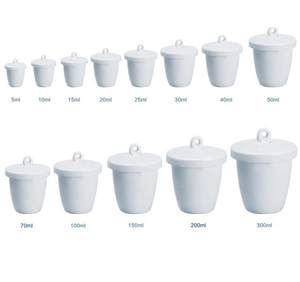
Requirement shapes consist of cylinders, boats, and custom styles. Dimensions vary from tiny lab-scale (10 mL) to larger production volumes (up to 500 mL). All things are precision-machined for limited dimensional tolerances and smooth internal surfaces to reduce material attachment.
Note: Stay clear of abrupt temperature changes over 1,800 ° C. Always preheat gradually to expand crucible life. Not suggested for usage with hydrofluoric acid or strong alkalis at elevated temperature levels.
Applications of High Temperature Calcium Stabilized Zirconia Ceramic Crucible
Applications of High-Temperature Calcium-Stabilized Zirconia Ceramic Crucibles
Extreme Warmth Resistance for Requiring Procedures
Calcium-stabilized zirconia ceramic crucibles manage extremely heats without damaging down. They stay stable also over 2,000 ° C. This makes them perfect for melting and handling responsive or harsh products that would harm common containers.
Metal and Alloy Production
These crucibles are widely utilized in the production of specialty steels like titanium, zirconium, and uncommon earth alloys. The product does not react with molten metal. It likewise protects against contamination, which keeps the final product pure and consistent.
Glass and Optical Material Manufacturing
In glassmaking, especially for premium optical glass or fiber optics, cleanliness and security matter a great deal. Calcium-stabilized zirconia withstands chemical strike from molten glass. It also prevents introducing contaminations that could spoil openness or efficiency.
Laboratory and Research Usage
Scientists depend on these crucibles for high-temperature experiments. They work well in X-ray fluorescence (XRF) example preparation and various other analytical techniques. Their inert nature makes sure test results stay accurate and repeatable.
Ceramics and Advanced Products Handling
When sintering sophisticated ceramics or growing solitary crystals, temperature level control and container stability are important. These crucibles provide a tidy, non-reactive environment. They sustain consistent home heating and help maintain the honesty of delicate products.
Long Service Life and Dependability
Many thanks to solid thermal shock resistance and reduced sensitivity, these crucibles last much longer than lots of choices. Users conserve time and money by lowering replacements and downtime. They execute dependably batch after set, even under harsh conditions.

Company Profile
Synthetic-chemical focus on the research and development, production and sales of ceramic products, serving the electronics, ceramics, chemical and other industries. Since its establishment in 2015, the company has been committed to providing customers with the best products and services, and has become a leader in the industry through continuous technological innovation and strict quality management.
Our products includes but not limited to Aluminum Nitride, Aluminum Oxide, Boron Carbide, Boron Nitride, Ceramic Crucible, ect. If you are interested in any type of these, please feel free to contact us.

Payment Methods
T/T, Western Union, Paypal, Credit Card etc.
Shipment Methods
By air, by sea, by express, as customers request.
5 FAQs of High Temperature Calcium Stabilized Zirconia Ceramic Crucible
Frequently Asked Questions About High-Temperature Calcium-Stabilized Zirconia Ceramic Crucibles
What is a calcium-stabilized zirconia crucible?
This crucible is made from zirconia (zirconium dioxide) with added calcium oxide. The calcium stabilizes the crystal structure so the material stays strong at very high temperatures. It can handle heat up to 2,400°C without melting or cracking.
Why choose calcium-stabilized over other types?
Calcium-stabilized zirconia offers better thermal shock resistance than some alternatives. It also resists chemical attack from many molten metals and slags. This makes it ideal for demanding lab and industrial uses where purity and stability matter.
Can it be used with reactive metals?
Yes, but with caution. The crucible works well with many reactive melts like titanium or rare earth metals. However, always check compatibility first. Some elements may still react under extreme conditions, so test runs are recommended.
How long does it last?
Lifespan depends on use. In clean, controlled environments, these crucibles can be reused many times. Avoid sudden temperature changes and mechanical stress. Proper handling greatly extends service life.
Is it safe for high-purity applications?
Yes. Calcium-stabilized zirconia has low impurity levels. It won’t easily contaminate your sample. That’s why it’s often used in research labs and specialty metal production where material purity is critical. Just make sure the crucible is clean before each use.
REQUEST A QUOTE
RELATED PRODUCTS
Custom Silicon Nitride Ceramic Crucible for Metal Melting Pot
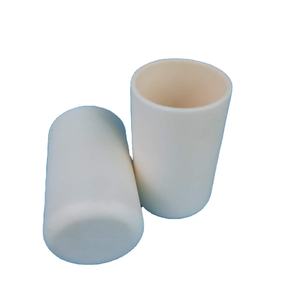
High Quality AZS Crucible Blocks for Industrial Ceramic Applications
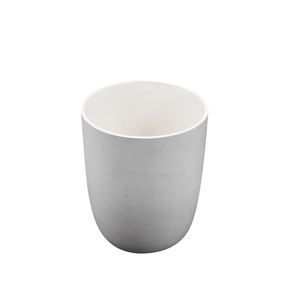
Gold Melting Fire Assay Ceramic Crucible Lab Equipment For Assay
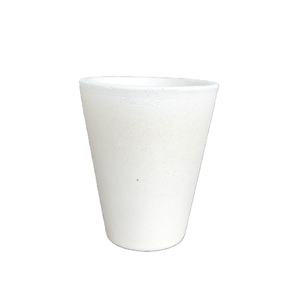
Custom Zirconia Ceramic Grinding Media Rods Bars Crucibles
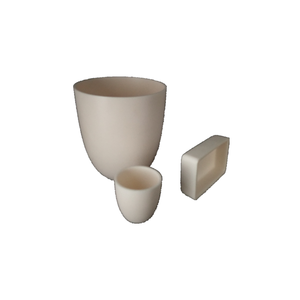
Custom 15ml To 50ml Al2O3 Ceramic Corundum Crucible For Laboratory