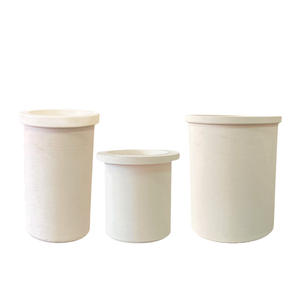
Next-Generation Ceramics: Unlocking Superior Properties for Industry

PRODUCT PARAMETERS
Description
Overview of High Temperature Resistant Alumina Ceramic Crucible For Metal Melting
A Ceramic Crucible is a vessel designed to withstand extreme temperatures for melting, calcining, or reacting chemical substances. Advanced ceramic crucibles are engineered from high-purity materials like Alumina, Zirconia, Boron Nitride, or Magnesia, chosen for their ability to contain specific molten materials without contamination or failure.
Features of High Temperature Resistant Alumina Ceramic Crucible For Metal Melting
- Extreme Temperature Resistance: Can operate continuously from 1000°C to over 1800°C, depending on the material.
- High Purity & Chemical Inertness: Minimizes reaction with and contamination of the melt (metal, glass, salt, ash).
- Excellent Thermal Shock Resistance: (Grade-dependent) Can withstand rapid heating and cooling cycles.
- Variety of Compositions & Designs: Tailored for specific applications (e.g., BN for reactive metals, ZrO₂ for precious metals, MgO for basic slags).
- Durable & Reusable: High-quality crucibles can survive multiple cycles, providing long service life.
Specifications of High Temperature Resistant Alumina Ceramic Crucible For Metal Melting
High-Temperature Immune Alumina Porcelain Crucible for Metal Melting
Material and Make-up
This crucible is made from high-purity alumina (Al two O FIVE) ceramic. The alumina content is 99.5% or higher. This offers the crucible exceptional resistance to warm and chemical assault. It stays stable also when revealed to aggressive liquified steels and slags.
Temperature Efficiency
The crucible can take care of continuous use at temperatures as much as 1700 ° C (3092 ° F). It will certainly not crack, warp, or deteriorate under regular steel melting conditions. Thermal shock resistance is solid, so it makes it through quick home heating and cooling down cycles without damage.
Design and Measurements
Available in common sizes from 50 ml to 2000 ml capability. Wall thickness is carefully controlled to balance toughness and warm transfer. The shape includes a pouring spout for tidy, secure pouring of molten product. Custom sizes and shapes can be made upon request.
Applications
Perfect for melting precious metals like gold, silver, platinum, and palladium. Additionally ideal for base steels such as copper, light weight aluminum, and zinc. Widely used in laboratories, jewelry workshops, foundries, and study centers where purity and integrity matter.
Trick Advantages
Long life span: Resists wear and corrosion much better than graphite or clay-graphite crucibles.
Reduced contamination: High-purity alumina avoids undesirable responses with molten steel.
Easy handling: Smooth surface area and durable structure make it straightforward to tons, heat, and pour.
Clean results: Leaves no residue or ash, guaranteeing regular thaw quality.
Managing Notes
Constantly preheat the crucible gradually before full-temperature use. Stay clear of sudden temperature changes. Do not utilize with steels that react highly with alumina, such as titanium or zirconium, unless under controlled environments. Store in a dry location to avoid dampness absorption.
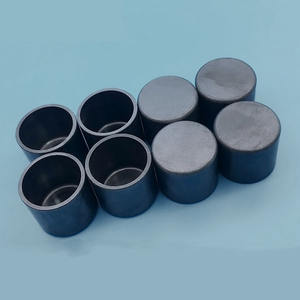
Applications of High Temperature Resistant Alumina Ceramic Crucible For Metal Melting
Applications of High-Temperature Resistant Alumina Ceramic Crucibles in Steel Thawing
Dependable Performance at Extreme Temperatures
High-temperature resistant alumina ceramic crucibles are constructed to manage extreme heat without breaking down. They stay solid even when warmed over 1,700 ° C. This makes them perfect for melting steels that require extremely high temperatures to end up being liquid.
Perfect for Valuable and Responsive Metals
These crucibles function well with precious metals like gold, silver, and platinum. They additionally deal with reactive metals such as titanium and zirconium. The alumina material does not respond with most liquified metals. This keeps the steel pure and stops contamination during melting.
Utilized Across Many Industries
Jewelry makers make use of these crucibles to thaw silver and gold easily. Shops rely upon them for small-batch casting of specialized alloys. Labs utilize them for study involving high-purity steel samples. Aerospace and electronics markets also depend on them when working with sophisticated products that demand stringent quality assurance.
Long Life and Constant Results
Alumina ceramic crucibles resist thermal shock. They can be warmed and cooled sometimes without splitting. Their smooth internal surface area assists thaw metal pour out easily. This decreases waste and saves time throughout repeated melting cycles. Users obtain regular results set after set.
Clean and Safe Procedure
Because the product is chemically inert, it does not launch hazardous fumes when warmed. It likewise does not soak up wetness, which lowers the threat of vapor surges during melting. Operators can function safely while preserving tidy melt problems.
Key Features:
– Holds up against temperature levels over 1,700 ° C.
– Chemically steady with most molten metals.
– Resists thermal shock and mechanical wear.
– Makes certain high purity in thawed metal.
– Appropriate for commercial, lab, and artisan use.

Company Profile
Synthetic-chemical focus on the research and development, production and sales of ceramic products, serving the electronics, ceramics, chemical and other industries. Since its establishment in 2015, the company has been committed to providing customers with the best products and services, and has become a leader in the industry through continuous technological innovation and strict quality management.
Our products includes but not limited to Aluminum Nitride, Aluminum Oxide, Boron Carbide, Boron Nitride, Ceramic Crucible, ect. If you are interested in any type of these, please feel free to contact us.

Payment Methods
T/T, Western Union, Paypal, Credit Card etc.
Shipment Methods
By air, by sea, by express, as customers request.
5 FAQs of High Temperature Resistant Alumina Ceramic Crucible For Metal Melting
High Temperature Resistant Alumina Ceramic Crucible – Frequently Asked Questions
What is this crucible made of?
This crucible is made from high-purity alumina ceramic. Alumina offers strong resistance to heat and corrosion. It stays stable even when exposed to very high temperatures.
How hot can it get before failing?
It can handle continuous use at temperatures up to 1700°C (3092°F). Short-term exposure may go slightly higher. The material will not melt, crack, or deform under normal metal melting conditions.
Which metals can I melt in it?
You can safely melt non-ferrous metals like aluminum, copper, brass, zinc, and precious metals such as gold and silver. Avoid using it with reactive metals like titanium or strong alkalis that may attack the ceramic surface.
Why choose alumina over other crucible materials?
Alumina has better thermal stability than graphite or clay-graphite types. It does not contaminate the melt. It also lasts longer when used correctly. This makes it ideal for labs and small foundries that need clean, repeatable results.
How do I care for and extend its life?
Always preheat the crucible slowly before full heating. Never add cold metal to a hot crucible—this causes thermal shock. Clean it gently after use. Store it in a dry place. Avoid sudden temperature changes and physical impacts. Following these steps will help it last many melting cycles.
REQUEST A QUOTE
RELATED PRODUCTS
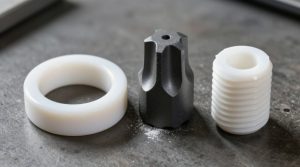
Silica Ceramic Crucible for Carbon Sulfur Analyzer in Laboratory
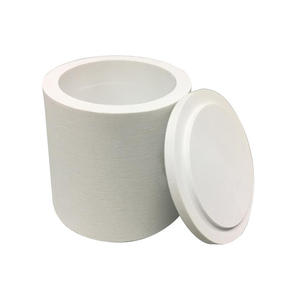
Mullite Cordierite and Zirconia Ceramic Crucible and Boat
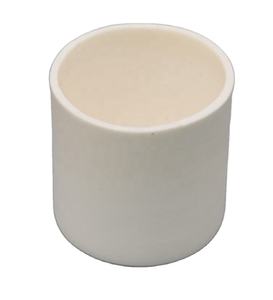
High Temperature Resistant Alumina 95 Ceramic Crucible And Laboratory Cup
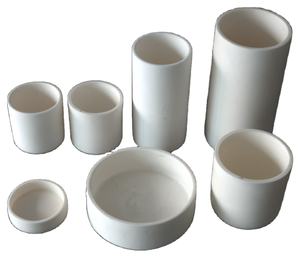
High Quality Glazed Porcelain Crucible for Laboratory Use
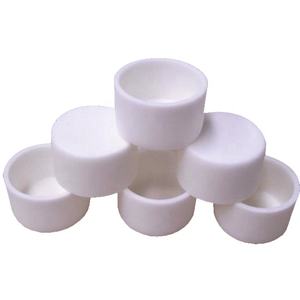
High Temperature Resistant Alumina Ceramic Crucible with Lid