Next-Generation Ceramics: Unlocking Superior Properties for Industry

PRODUCT PARAMETERS
Description
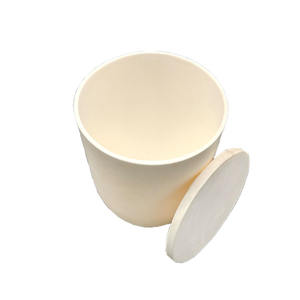
Overview of High Temperature Resistant Alumina Ceramic Crucible Tray
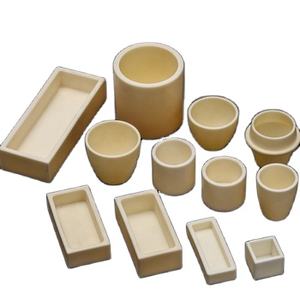
A Ceramic Crucible is a vessel designed to withstand extreme temperatures for melting, calcining, or reacting chemical substances. Advanced ceramic crucibles are engineered from high-purity materials like Alumina, Zirconia, Boron Nitride, or Magnesia, chosen for their ability to contain specific molten materials without contamination or failure.
Features of High Temperature Resistant Alumina Ceramic Crucible Tray
- Extreme Temperature Resistance: Can operate continuously from 1000°C to over 1800°C, depending on the material.
- High Purity & Chemical Inertness: Minimizes reaction with and contamination of the melt (metal, glass, salt, ash).
- Excellent Thermal Shock Resistance: (Grade-dependent) Can withstand rapid heating and cooling cycles.
- Variety of Compositions & Designs: Tailored for specific applications (e.g., BN for reactive metals, ZrO₂ for precious metals, MgO for basic slags).
- Durable & Reusable: High-quality crucibles can survive multiple cycles, providing long service life.
Specifications of High Temperature Resistant Alumina Ceramic Crucible Tray
High Temperature Resistant Alumina Porcelain Crucible Tray– Item Specs
Material and Composition
This crucible tray is made from high-purity alumina ceramic (Al Two O TWO). The alumina material is 99.5% or greater , which provides the tray superb thermal stability and chemical resistance. It consists of no binders or additives that might damage efficiency at high temperatures.
Temperature Resistance
The tray can handle continual use at temperatures up to 1700 ° C( 3092 ° F ). It stays steady during rapid heating and cooling down cycles. Thermal shock will not split or warp the tray under regular operating conditions.
Physical Characteristics
– Thickness : 3.95 g/cm THREE.
– Hardness : Mohs 9.
– Flexural Strength : ≥ 350 MPa.
– Thermal Conductivity : 30 W/m · K.
– Coefficient of Thermal Expansion : 7.5 × 10 ⁻⁶/ ° C (20– 1000 ° C).
These homes make the tray strong, rigid, and able to hold heavy tons without bending or breaking.
Dimensions and Resistance
Standard sizes vary from 50 mm to 300 mm in diameter, with elevations between 10 mm and 50 mm . Wall surface thickness is normally 3 mm to 10 mm , depending on the model. All measurements are held to a tight tolerance of ± 0.1 mm for precise fit in lab and commercial setups.
Surface Complete and Layout
The surface is smooth and non-porous. This protects against example contamination and makes cleaning easy. The tray has straight wall surfaces and a flat base, which ensures even warm distribution and steady positioning on furnace shelves.
Applications
Utilize this tray in high-temperature settings such as material sintering, ash screening, steel melting, and research laboratory evaluation . It functions well in air, inert gas, and vacuum ambiences. The tray withstands deterioration from many acids, alkalis, and molten steels.
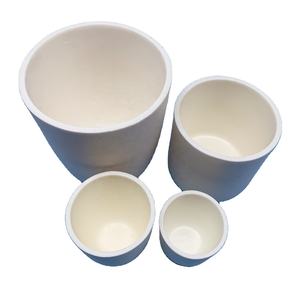
Applications of High Temperature Resistant Alumina Ceramic Crucible Tray
Applications of High-Temperature Resistant Alumina Porcelain Crucible Tray
Trustworthy Performance in Extreme Warm
The high-temperature immune alumina ceramic crucible tray manages intense warmth without breaking down. It stays solid also when subjected to temperatures over 1600 ° C. This makes it a trusted choice in laboratories and industrial setups where warmth stability is important.
Perfect for Laboratory Use
In research study laboratories, this tray sustains accurate experiments involving melting, sintering, or ash testing. It does not respond with a lot of chemicals, so samples stay pure. Scientists depend on it for consistent outcomes during thermal evaluation and product testing.
Key in Metallurgy and Foundries
Metal processing procedures make use of the tray to hold liquified steels or alloys throughout spreading and refining. Its resistance to thermal shock protects against splitting when temperatures alter rapidly. Workers count on it to maintain shape and function with duplicated home heating cycles.
Vital in Ceramics and Glass Production
Throughout firing or glazing, the tray carries raw materials or finished items through kilns. It withstands bending and maintains products level. Glassmakers also use it to support parts throughout annealing, making certain smooth surfaces and structural integrity.
Suitable for Semiconductor Manufacturing
In cleanroom atmospheres, the tray holds wafers or powders throughout high-temperature actions like diffusion or oxidation. Its ultra-low contamination account meets rigorous pureness criteria. Designers pick it to stay clear of introducing impurities right into sensitive digital materials.
Long lasting Across Industries
This alumina ceramic tray lasts longer than steel or quartz choices. It withstands wear, rust, and contortion. Manufacturing facilities and labs conserve money gradually since substitutes are needed much less usually. Its simple design fits basic tools, making combination simple. Individuals appreciate its equilibrium of strength, pureness, and cost-effectiveness popular thermal procedures.

Company Profile
Synthetic-chemical focus on the research and development, production and sales of ceramic products, serving the electronics, ceramics, chemical and other industries. Since its establishment in 2015, the company has been committed to providing customers with the best products and services, and has become a leader in the industry through continuous technological innovation and strict quality management.
Our products includes but not limited to Aluminum Nitride, Aluminum Oxide, Boron Carbide, Boron Nitride, Ceramic Crucible, ect. If you are interested in any type of these, please feel free to contact us.

Payment Methods
T/T, Western Union, Paypal, Credit Card etc.
Shipment Methods
By air, by sea, by express, as customers request.
5 FAQs of High Temperature Resistant Alumina Ceramic Crucible Tray
Frequently Asked Questions About High-Temperature Resistant Alumina Ceramic Crucible Trays
What is this tray made of?
This tray is made from high-purity alumina ceramic. Alumina offers strong resistance to heat and chemicals. It keeps its shape and strength even at very high temperatures.
How hot can it get before it fails?
The tray works safely up to 1700°C (3092°F). It does not melt, warp, or crack under normal high-heat conditions in furnaces or kilns. This makes it ideal for labs and industrial heat processes.
Can it handle sudden temperature changes?
Yes. The material has good thermal shock resistance. You can move it from a hot furnace to a cooler surface without it breaking. Still, slow cooling is always better to extend its life.
Is it safe for use with reactive materials?
Absolutely. Alumina ceramic is chemically inert. It will not react with most acids, bases, or molten metals. This keeps your samples pure and prevents contamination during high-temperature work.
How long will it last?
With proper handling, the tray lasts for many uses. Avoid dropping it or scraping it against hard surfaces. Clean it gently after each use. Its durability comes from both the material quality and how you treat it.
REQUEST A QUOTE
RELATED PRODUCTS
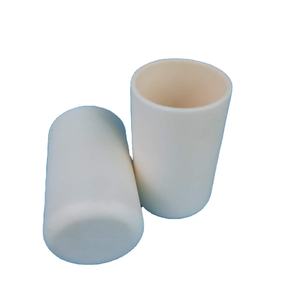
High Temperature Up To 2400C Alumina Zirconia SiC Ceramic Crucible Parts
Dental Quartz Ceramic Casting Crucible for Bego Fornax Machine
High Temperature Alumina Ceramic Crucible for Furnace Applications
Factory Made High Purity Alumina Ceramic Crucible for Industrial
Large Capacity Graphite Silicon Carbide Ceramic Crucible for Aluminum