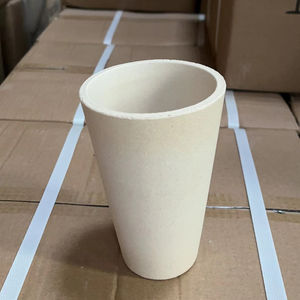
Next-Generation Ceramics: Unlocking Superior Properties for Industry

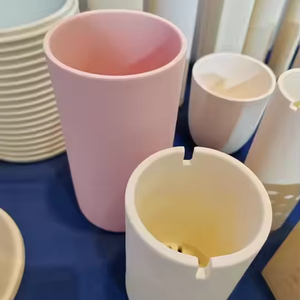
PRODUCT PARAMETERS
Description
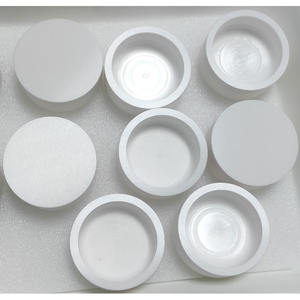
Overview of High Temperature Resistant Alumina Ceramic Crucible Tray
A Ceramic Crucible is a vessel designed to withstand extreme temperatures for melting, calcining, or reacting chemical substances. Advanced ceramic crucibles are engineered from high-purity materials like Alumina, Zirconia, Boron Nitride, or Magnesia, chosen for their ability to contain specific molten materials without contamination or failure.
Features of High Temperature Resistant Alumina Ceramic Crucible Tray
- Extreme Temperature Resistance: Can operate continuously from 1000°C to over 1800°C, depending on the material.
- High Purity & Chemical Inertness: Minimizes reaction with and contamination of the melt (metal, glass, salt, ash).
- Excellent Thermal Shock Resistance: (Grade-dependent) Can withstand rapid heating and cooling cycles.
- Variety of Compositions & Designs: Tailored for specific applications (e.g., BN for reactive metals, ZrO₂ for precious metals, MgO for basic slags).
- Durable & Reusable: High-quality crucibles can survive multiple cycles, providing long service life.
Specifications of High Temperature Resistant Alumina Ceramic Crucible Tray
Heat Resistant Alumina Porcelain Crucible Tray– Trick Specs
Product Composition
This crucible tray is made from high-purity alumina ceramic (Al ₂ O three content ≥ 99%). The product uses excellent chemical stability and strong resistance to thermal shock. It will not respond with many acids, antacid, or liquified steels under typical high-temperature problems.
Temperature level Performance
The tray can function constantly at temperature levels up to 1700 ° C( 3092 ° F) in oxidizing atmospheres. It keeps structural honesty even during rapid home heating or cooling cycles. This makes it suitable for use in furnaces, kilns, and high-temperature lab atmospheres.
Physical Characteristics
– Density : 3.6– 3.7 g/cm THREE.
– Firmness : ≥ 1500 HV (Vickers).
– Flexural strength : 300– 350 MPa.
– Thermal growth coefficient : ~ 8.0 × 10 ⁻⁶/ ° C (20
— 1000 ° C). These residential or commercial properties make sure the tray remains inflexible and crack-free under hefty loads and extreme warm.
Style and Dimensions
Typical trays come in several dimensions, with usual alternatives consisting of 100 mm × 100 mm, 150 mm × 150 mm, and 200 mm × 200 mm. Density generally ranges from 5 mm to 10 mm , depending on application requirements. Personalized shapes and hole patterns are likewise readily available upon request.
Surface Complete and Tolerance
The surface is smooth with marginal porosity, minimizing contamination danger during high-temperature handling. Dimensional resistance is held within ± 0.2 mm for vital applications, guaranteeing consistent fit and performance in automated systems or limited arrangements.
Applications
This alumina ceramic tray is commonly used in metallurgy, semiconductor manufacturing, laboratory analysis, and products sintering . It supports crucibles, watercrafts, or samples without deforming or deteriorating, also after repeated usage at peak temperatures.
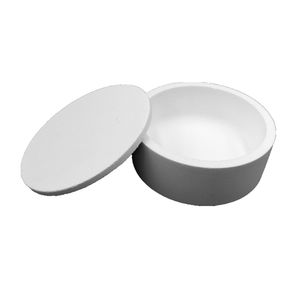
Applications of High Temperature Resistant Alumina Ceramic Crucible Tray
Applications of High Temperature Resistant Alumina Porcelain Crucible Tray
Dependable Efficiency in Extreme Heat
The heat resistant alumina ceramic crucible tray attracts attention for its capability to manage intense heat without damaging down. Made from over 99% pure alumina, it remains solid and stable even when temperatures increase above 1600 ° C. This makes it a relied on choice in laboratories and industrial settings where regular outcomes matter.
Secret Uses Throughout Industries
In metallurgy, the tray holds liquified steels during melting and casting. It stands up to chain reactions with the majority of alloys, so examples remain pure. In logical labs, specialists utilize it for ash testing, example fusion, and high-temperature calcination. Its inert surface area avoids contamination, giving precise examination information whenever.
Electronics manufacturers depend on these trays throughout sintering of ceramic elements and firing of thick-film circuits. The material’s reduced thermal development keeps components from contorting under quick heating or cooling down cycles. Glass producers additionally make use of the trays to sustain small glass sets throughout melting trials, many thanks to their smooth surface and resistance to sticking.
Constructed for Long-Term Usage
Unlike metal or quartz options, alumina ceramic does not corrode or break down quickly. It holds up against duplicated thermal shocks, which means less substitutes and reduced operating expense. The tray’s dense structure blocks wetness and gases, securing sensitive materials throughout processing.
Its simple style– level base, straight walls, consistent density– makes sure even heat circulation. Customers can stack or organize several trays without threat of tipping or uneven heating. Cleansing is uncomplicated: just reject residue or rinse with water after cooling down.
Whether you’re running regular laboratory examinations or taking care of large-scale production, this crucible tray delivers trustworthy performance under pressure. Its combination of purity, stamina, and thermal stability makes it a smart investment for any kind of high-heat application.

Company Profile
Synthetic-chemical focus on the research and development, production and sales of ceramic products, serving the electronics, ceramics, chemical and other industries. Since its establishment in 2015, the company has been committed to providing customers with the best products and services, and has become a leader in the industry through continuous technological innovation and strict quality management.
Our products includes but not limited to Aluminum Nitride, Aluminum Oxide, Boron Carbide, Boron Nitride, Ceramic Crucible, ect. If you are interested in any type of these, please feel free to contact us.

Payment Methods
T/T, Western Union, Paypal, Credit Card etc.
Shipment Methods
By air, by sea, by express, as customers request.
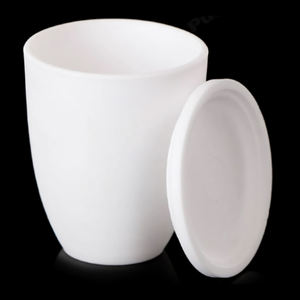
5 FAQs of High Temperature Resistant Alumina Ceramic Crucible Tray
What is a high temperature resistant alumina ceramic crucible tray?
A high temperature resistant alumina ceramic crucible tray is made from pure aluminum oxide. It holds crucibles during heating in furnaces. This tray can handle very high temperatures without breaking or deforming.
Why choose alumina ceramic over other materials?
Alumina ceramic stays strong even above 1600°C. It does not react with most chemicals. Metals or regular ceramics may melt, warp, or corrode at high heat. Alumina keeps its shape and purity, which protects your samples.
Can this tray be used in air and inert atmospheres?
Yes. The tray works well in air, nitrogen, argon, and other common furnace atmospheres. It will not oxidize or degrade under normal lab or industrial conditions.
How should I handle and clean the tray?
Always let the tray cool down before touching it. Use soft brushes or cloths to remove residue. Avoid sudden temperature changes—they can cause cracks. Do not use strong acids unless needed, and rinse well afterward.
What industries use this type of tray?
Labs use it for sample preparation and ash testing. Metallurgy shops rely on it for melting small metal batches. Electronics makers use it in sintering processes. Any field needing stable, clean high-heat support chooses alumina trays.
REQUEST A QUOTE
RELATED PRODUCTS
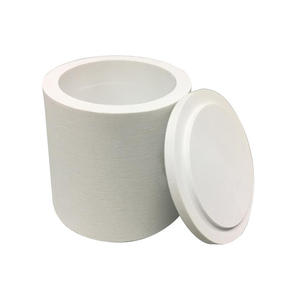
Custom Aluminum Oxide Alumina Ceramic Corundum Crucible for Lab
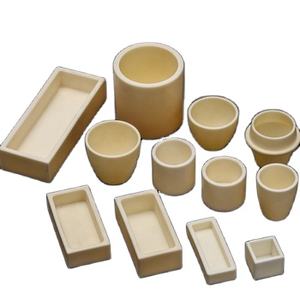
Jewelry Graphite and Ceramic Crucible for Melting and Casting
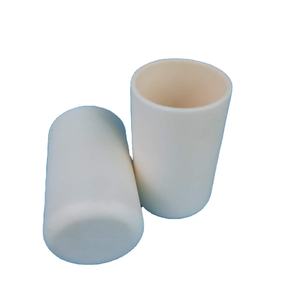
High Purity Alumina Ceramic Porcelain Corundum Mortar and Pestle
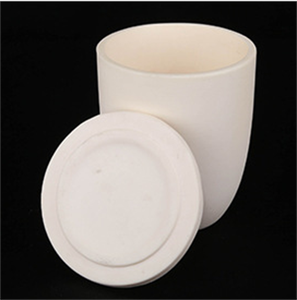
Custom High Temperature Alumina Ceramic Parts and Industrial Crucible
Hot Ceramic Porcelain Crucible Factory Direct for Lab