Next-Generation Ceramics: Unlocking Superior Properties for Industry

PRODUCT PARAMETERS
Description
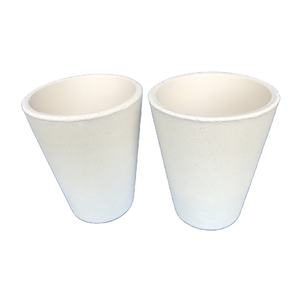
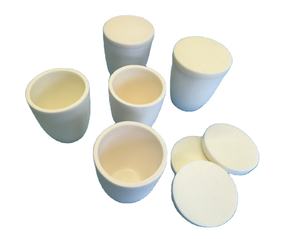
Overview of High Temperature Resistant Ceramic Crucible for Melting Glass Materials
A Ceramic Crucible is a vessel designed to withstand extreme temperatures for melting, calcining, or reacting chemical substances. Advanced ceramic crucibles are engineered from high-purity materials like Alumina, Zirconia, Boron Nitride, or Magnesia, chosen for their ability to contain specific molten materials without contamination or failure.
Features of High Temperature Resistant Ceramic Crucible for Melting Glass Materials
- Extreme Temperature Resistance: Can operate continuously from 1000°C to over 1800°C, depending on the material.
- High Purity & Chemical Inertness: Minimizes reaction with and contamination of the melt (metal, glass, salt, ash).
- Excellent Thermal Shock Resistance: (Grade-dependent) Can withstand rapid heating and cooling cycles.
- Variety of Compositions & Designs: Tailored for specific applications (e.g., BN for reactive metals, ZrO₂ for precious metals, MgO for basic slags).
- Durable & Reusable: High-quality crucibles can survive multiple cycles, providing long service life.
Specifications of High Temperature Resistant Ceramic Crucible for Melting Glass Materials
High-Temperature Resistant Ceramic Crucible for Glass Melting
Material and Build Quality
This crucible is made from high-purity alumina ceramic. The material supplies outstanding resistance to warm and chemical deterioration. It stays solid even when subjected to thaw glass at really heats. The dense structure protects against glass products from permeating into the wall surfaces, which aids keep your melt tidy.
Temperature level Efficiency
The crucible can manage continuous use at temperatures as much as 1700 ° C(3092 ° F). It additionally holds up against short-term direct exposure up to 1800 ° C (3272 ° F) without breaking or flawing. This makes it ideal for melting most sorts of glass, consisting of soda-lime, borosilicate, and specialty optical glasses.
Design Functions
Smooth interior surface decreases sticking and makes putting easier. The thick walls give consistent heat distribution and far better thermal shock resistance. Each crucible is precision-formed to make certain regular form and quantity across sets. Standard sizes vary from 50 ml to 2000 ml, with customized alternatives offered upon demand.
Applications
Use this crucible in research laboratories, small glass workshops, or industrial settings where purity and integrity issue. It works well with electrical, gas, and induction heating systems. The crucible appropriates for melting, holding, and casting glass without presenting impurities.
Treatment and Handling
Always preheat the crucible gradually before reaching complete operating temperature. Avoid unexpected temperature modifications to avoid thermal shock. Do not make use of metal devices that might scrape or chip the inner surface area. Shop in a dry location when not being used to preserve performance in time.
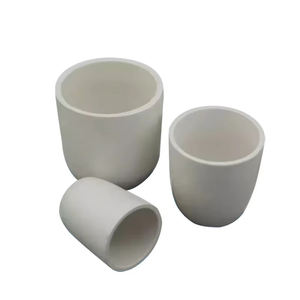
Applications of High Temperature Resistant Ceramic Crucible for Melting Glass Materials
Applications of High-Temperature Resistant Ceramic Crucibles for Thawing Glass
Suitable Vessels for Demanding Glass Processes
High-temperature immune ceramic crucibles are necessary tools in glass production. These crucibles deal with severe warmth without breaking or deforming. They remain stable also when exposed to thaw glass at temperature levels above 1,500 ° C.
Glassmakers utilize these crucibles in small-scale studios and big industrial settings. Artists depend on them to melt specialty glasses for hand-blown items. Factories utilize them to create optical glass, laboratory ware, and technical glass parts. The product purity of the crucible prevents contamination, which is important for high-clarity or accuracy glass items.
Why Ceramic Crucibles Function So Well
The ceramic utilized in these crucibles withstands chain reactions with liquified glass. This implies the glass keeps its designated color, clearness, and structure. The crucibles additionally supply excellent thermal shock resistance. They can go from space temperature level to complete operating warm quickly without breaking.
Their smooth inner surface assists glass flow evenly during pouring. This lowers flaws and waste. Over lots of home heating cycles, the crucibles maintain their form and performance. That makes them cost-efficient in time, although the initial financial investment might be greater than other choices.
Typical Uses Across Industries
In clinical labs, these crucibles melt glass for customized tubing, lenses, or sensors. In electronic devices, they aid produce glass seals for vacuum cleaner tubes and semiconductor product packaging. Art glass studios use them everyday to explore brand-new shades and structures. Jewelry makers melt glass frits and powders to form unique beads and necklaces.
Due to the fact that they endure repeated cooling and heating, ceramic crucibles sustain both batch processing and continual melting operations. Their dependability makes certain consistent outcomes, whether you’re making one item or thousands.

Company Profile
Synthetic-chemical focus on the research and development, production and sales of ceramic products, serving the electronics, ceramics, chemical and other industries. Since its establishment in 2015, the company has been committed to providing customers with the best products and services, and has become a leader in the industry through continuous technological innovation and strict quality management.
Our products includes but not limited to Aluminum Nitride, Aluminum Oxide, Boron Carbide, Boron Nitride, Ceramic Crucible, ect. If you are interested in any type of these, please feel free to contact us.

Payment Methods
T/T, Western Union, Paypal, Credit Card etc.
Shipment Methods
By air, by sea, by express, as customers request.
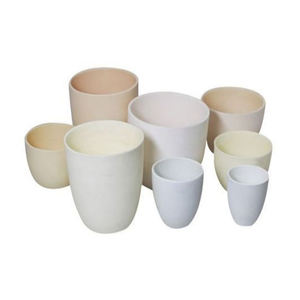
5 FAQs of High Temperature Resistant Ceramic Crucible for Melting Glass Materials
Frequently Asked Questions: High-Temperature Ceramic Crucibles for Glass Melting
What is this crucible made of?
This crucible is made from high-purity alumina or zirconia-based ceramic. These materials can handle very high heat without breaking down. They also resist chemical reactions with molten glass.
How hot can it get before failing?
It can safely work at temperatures up to 1700°C (3092°F). Some special grades go even higher. The exact limit depends on the material type and how long it stays hot. Always check the specs for your specific model.
Why use ceramic instead of metal?
Metal melts or reacts with glass at high heat. Ceramic stays stable. It does not add impurities to your glass batch. That keeps your final product clean and clear.
How long will one crucible last?
Life span varies by use. If you heat and cool it slowly, avoid sudden temperature swings, and do not overload it, it can last many melts. Rough handling or fast heating cuts its life short.
Can I reuse it after melting glass?
Yes, you can reuse it if it shows no cracks or wear. Clean out leftover glass carefully. Do not chip or scratch the inside surface. Always inspect it before each new melt to make sure it is still safe to use.
REQUEST A QUOTE
RELATED PRODUCTS
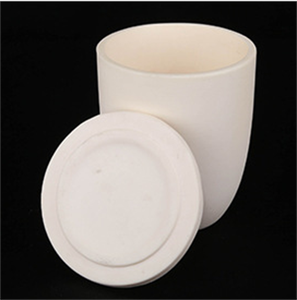
Industrial Temperature Resistance Alumina Ceramic Crucible Melting Pot
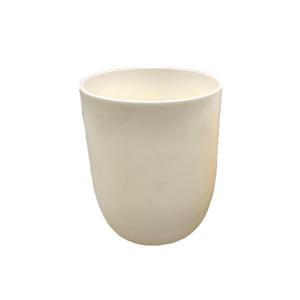
High Temperature Cordierite Mullite Sagger Ceramic Crucible for Glass
Experimental Accuracy 99 High Temperature White Zirconia Ceramic Crucible
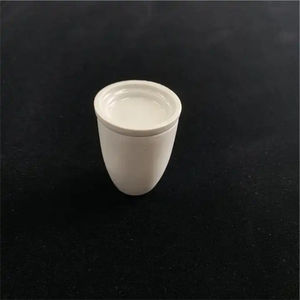
High Purity Quartz Ceramic Silica Crucible for Platinum Melting
Manufactory Long Working Life Gold Melting Fire Assay Ceramic Crucibles