Next-Generation Ceramics: Unlocking Superior Properties for Industry

PRODUCT PARAMETERS
Description
Overview of High Thermal Conductivity AlN Aluminum Nitride Electrical Ceramic Crucible
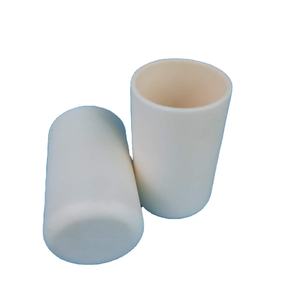
A Ceramic Crucible is a vessel designed to withstand extreme temperatures for melting, calcining, or reacting chemical substances. Advanced ceramic crucibles are engineered from high-purity materials like Alumina, Zirconia, Boron Nitride, or Magnesia, chosen for their ability to contain specific molten materials without contamination or failure.
Features of High Thermal Conductivity AlN Aluminum Nitride Electrical Ceramic Crucible
- Extreme Temperature Resistance: Can operate continuously from 1000°C to over 1800°C, depending on the material.
- High Purity & Chemical Inertness: Minimizes reaction with and contamination of the melt (metal, glass, salt, ash).
- Excellent Thermal Shock Resistance: (Grade-dependent) Can withstand rapid heating and cooling cycles.
- Variety of Compositions & Designs: Tailored for specific applications (e.g., BN for reactive metals, ZrO₂ for precious metals, MgO for basic slags).
- Durable & Reusable: High-quality crucibles can survive multiple cycles, providing long service life.
Specifications of High Thermal Conductivity AlN Aluminum Nitride Electrical Ceramic Crucible
High Thermal Conductivity AlN Aluminum Nitride Electrical Ceramic Crucible
Material and Structure
This crucible is made from high-purity aluminum nitride (AlN) ceramic. The material contains over 99% AlN with marginal impurities. It provides superb electric insulation while keeping strong thermal performance. The fine-grained microstructure makes sure constant quality and reliability in demanding environments.
Thermal Characteristics
Thermal conductivity reaches 170– 200 W/m · K, far higher than common alumina ceramics. This permits quickly and even warmth circulation during high-temperature procedures. The crucible stands up to continuous consume to 1600 ° C in inert or nitrogen atmospheres. Its low coefficient of thermal growth reduces the risk of splitting under rapid temperature level changes.
Electric and Chemical Performance
The crucible provides impressive electric insulation also at raised temperatures. Quantity resistivity exceeds 1014 Ω · centimeters at area temperature and remains stable up to 800 ° C. It resists deterioration from several liquified steels and slags. However, it ought to not be used with strong antacid or in oxidizing conditions over 800 ° C, as surface oxidation may happen.
Physical Attributes
Density ranges from 3.25 to 3.30 g/cm THREE. Firmness is roughly 12 Grade point average on the Vickers scale, giving great wear resistance. Criterion shapes consist of round and boat-style styles, but customized geometries are offered. Wall density and measurements can be customized to details applications such as crystal development, semiconductor processing, or laboratory melting.
Dealing with and Utilize
Take care of with care– AlN is fragile and can chip if affected. Constantly preheat gradually to stay clear of thermal shock. Use in dry, regulated atmospheres for ideal results. Stay clear of call with moisture prior to shooting, as AlN can hydrolyze somewhat at area temperature. Tidy surface areas with dry, oil-free air or inert gas only.
Applications of High Thermal Conductivity AlN Aluminum Nitride Electrical Ceramic Crucible
Applications of High Thermal Conductivity AlN Aluminum Nitride Electric Ceramic Crucible
Superior Warmth Administration for Requiring Processes
The light weight aluminum nitride (AlN) ceramic crucible stands out as a result of its high thermal conductivity. This property allows warm relocate through the product rapidly and evenly. As a result, temperature level stays stable throughout high-heat procedures. Users obtain constant results without hot spots or thermal stress and anxiety.
Suitable for Melting Reactive Metals
Lots of steels react with common crucibles at high temperatures. AlN is chemically inert to most liquified steels, including aluminum, gallium, and lithium. It does not contaminate the thaw. This makes it best for creating high-purity alloys and specialty steels made use of in aerospace and electronic devices.
Trusted in Semiconductor Manufacturing
In semiconductor manufacturing, even tiny contaminations mess up device performance. AlN crucibles supply outstanding electrical insulation along with strong resistance to thermal shock. They deal with quick home heating and cooling cycles without cracking. Manufacturing facilities use them to expand crystals or vaporize materials in vacuum settings.
Ideal for Research Laboratory and R&D Use
Scientists require tools that do under severe problems. The AlN crucible functions well up to 2000 ° C in inert or vacuum ambiences. Its smooth surface stops product sticking, which streamlines cleansing and sample recuperation. Labs rely on it for accurate, repeatable experiments involving rare-earth elements or advanced porcelains.
Developed for Long Service Life
Unlike graphite or quartz, AlN does not weaken rapidly when revealed to hostile chemicals or duplicated thermal cycling. It preserves architectural stamina gradually. This decreases replacement regularity and reduces operating costs in continual commercial procedures.

Company Profile
Synthetic-chemical focus on the research and development, production and sales of ceramic products, serving the electronics, ceramics, chemical and other industries. Since its establishment in 2015, the company has been committed to providing customers with the best products and services, and has become a leader in the industry through continuous technological innovation and strict quality management.
Our products includes but not limited to Aluminum Nitride, Aluminum Oxide, Boron Carbide, Boron Nitride, Ceramic Crucible, ect. If you are interested in any type of these, please feel free to contact us.

Payment Methods
T/T, Western Union, Paypal, Credit Card etc.
Shipment Methods
By air, by sea, by express, as customers request.
5 FAQs of High Thermal Conductivity AlN Aluminum Nitride Electrical Ceramic Crucible
High Thermal Conductivity AlN Aluminum Nitride Electrical Ceramic Crucible – Top 5 FAQs
What is an AlN ceramic crucible made of?
This crucible is made from aluminum nitride (AlN). AlN is a special ceramic material. It has high thermal conductivity and strong electrical insulation. These properties make it ideal for high-temperature applications where heat must move quickly but electricity must not pass through.
Why choose AlN over other ceramic materials?
AlN stands out because it moves heat much faster than most ceramics—up to 10 times better than alumina. At the same time, it blocks electricity very well. This balance is rare. Other ceramics either conduct heat poorly or lack strong insulation. AlN gives you both in one reliable package.
What temperatures can this crucible handle?
The AlN crucible works safely up to 1,600°C in inert or vacuum environments. It stays stable and does not crack easily under rapid heating or cooling. This makes it suitable for demanding processes like crystal growth or metal melting.
Is it safe for use with reactive metals?
Yes. AlN shows excellent chemical stability. It resists corrosion from many molten metals and salts. However, avoid using it with strong acids or oxygen-rich atmospheres at high heat, as these can degrade the material over time.
How long does an AlN crucible last?
Its lifespan depends on operating conditions. In clean, controlled environments, it can last for many cycles. Proper handling and avoiding thermal shock help extend its life. Always follow recommended heating and cooling rates to get the best performance.
REQUEST A QUOTE
RELATED PRODUCTS
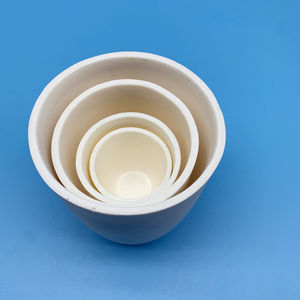
Laboratory Ceramic Crucible for Melting Frit and Glass Materials
Economical Glazed Ceramic Porcelain Crucible with Lids

Customized Aluminum Oxide Alumina Ceramic Crucible For Laboratory
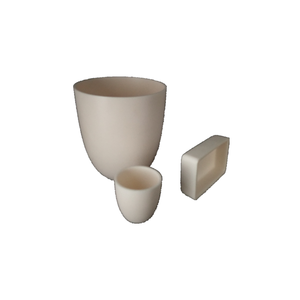
Custom Large Capacity Zirconia Ceramic Melting Crucible Pot
Alumina Ceramic TGA Crucible With Lid For Testing Instrument