Next-Generation Ceramics: Unlocking Superior Properties for Industry

PRODUCT PARAMETERS
Description
Overview of Refractory Cordierite Mullite Ceramic Saggar Crucible for Sintering
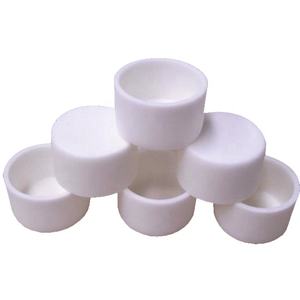
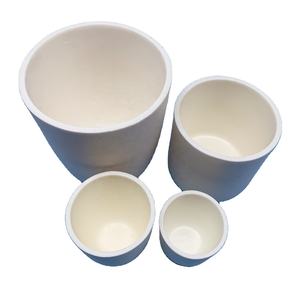
A Ceramic Crucible is a vessel designed to withstand extreme temperatures for melting, calcining, or reacting chemical substances. Advanced ceramic crucibles are engineered from high-purity materials like Alumina, Zirconia, Boron Nitride, or Magnesia, chosen for their ability to contain specific molten materials without contamination or failure.
Features of Refractory Cordierite Mullite Ceramic Saggar Crucible for Sintering
- Extreme Temperature Resistance: Can operate continuously from 1000°C to over 1800°C, depending on the material.
- High Purity & Chemical Inertness: Minimizes reaction with and contamination of the melt (metal, glass, salt, ash).
- Excellent Thermal Shock Resistance: (Grade-dependent) Can withstand rapid heating and cooling cycles.
- Variety of Compositions & Designs: Tailored for specific applications (e.g., BN for reactive metals, ZrO₂ for precious metals, MgO for basic slags).
- Durable & Reusable: High-quality crucibles can survive multiple cycles, providing long service life.
Specifications of Refractory Cordierite Mullite Ceramic Saggar Crucible for Sintering
Refractory Cordierite Mullite Ceramic Saggar Crucible for Sintering
Material Structure
This saggar crucible is made from high-purity cordierite and mullite. These materials provide the crucible solid resistance to thermal shock and chemical deterioration. The mix of cordierite and mullite creates a secure framework that holds up well under repeated heating and cooling down cycles.
Temperature level Resistance
The crucible can take care of constant usage at temperature levels approximately 1450 ° C (2642 ° F). It remains secure also throughout fast temperature level adjustments. This makes it ideal for sintering processes that require specific heat control.
Thermal Shock Performance
Thanks to its reduced thermal development, the crucible withstands breaking when warmed or cooled swiftly. Users can move it in and out of kilns without fretting about damage. This feature expands the item’s service life and decreases substitute costs.
Chemical Stability
The material does not respond easily with a lot of oxides, metals, or slags made use of in sintering. It maintains its form and surface high quality after long exposure to extreme environments. This guarantees tidy results and avoids contamination of the sintered components.
Physical Properties
Thickness: 2.3– 2.5 g/cm FIVE.
Porosity: 18– 22%.
Flexural Stamina: ≥ 40 MPa at area temperature.
Direct Shrinking: ≤ 0.5% after firing at 1400 ° C.
Common Applications
This saggar crucible works well in industries like electronics, ceramics, and progressed materials. It is typically used for sintering ferrites, PTC/NTC thermistors, lithium battery cathode products, and technical porcelains. Its reliable performance sustains regular production quality.
Readily Available Shapes And Sizes
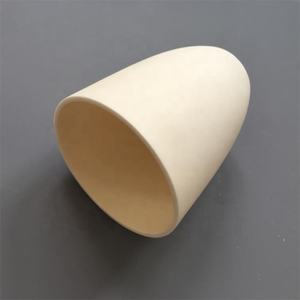
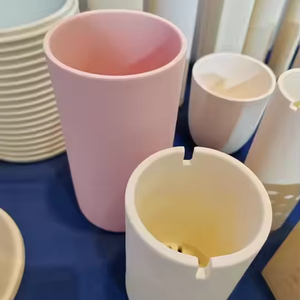
Requirement shapes consist of round, square, and rectangular. Customized sizes are also offered based on customer needs. Wall thickness and internal dimensions can be adapted to match specific heater configurations or loading demands.
Applications of Refractory Cordierite Mullite Ceramic Saggar Crucible for Sintering
Applications of Refractory Cordierite Mullite Ceramic Saggar Crucible for Sintering
High-Temperature Stability for Requiring Processes
The refractory cordierite mullite ceramic saggar crucible carries out well in high-temperature sintering. It maintains its form and strength even when warmed continuously to over 1,400 ° C. This makes it excellent for firing technical ceramics, electronic elements, and advanced materials that require steady thermal problems.
Outstanding Thermal Shock Resistance
Unexpected temperature modifications frequently split regular containers. Yet this crucible manages rapid heating & cooling without breaking. Its special cordierite-mullite mix lowers growth throughout warm cycles. Manufacturing facilities use it in set kilns and tunnel kilns where temperature level shifts occur quickly.
Chemical Inertness Shields Item Pureness
The crucible does not respond with most powders or lusters. It stands up to corrosion from steel oxides, changes, and various other hostile substances used in sintering. This ensures the end product stays clean and unpolluted– vital for electronic devices, drivers, and biomedical ceramics.
Long Service Life Reduces Operating Expenses
Sturdiness is an essential advantage. Unlike cheaper options, this saggar withstands thousands of shooting cycles with marginal wear. Its surface stays smooth, lowering sticking and making component removal easier. Users save money on replacements and downtime.
Flexible Use Throughout Industries
Producers depend on this crucible for lots of applications. It holds lithium battery cathode products throughout calcination. It sustains zirconia and alumina parts in structural ceramic manufacturing. It additionally functions well for ferrites, piezoelectrics, and phosphor powders. Each use take advantage of regular dimensions, reduced porosity, and reliable efficiency.
Custom-made Shapes Meet Particular Requirements
These saggars are available in boxes, plates, tubes, and customized forms. Engineers make them to fit exact furnace formats and part geometries. This versatility helps enhance tons thickness and heat circulation throughout sintering runs.

Company Profile
Synthetic-chemical focus on the research and development, production and sales of ceramic products, serving the electronics, ceramics, chemical and other industries. Since its establishment in 2015, the company has been committed to providing customers with the best products and services, and has become a leader in the industry through continuous technological innovation and strict quality management.
Our products includes but not limited to Aluminum Nitride, Aluminum Oxide, Boron Carbide, Boron Nitride, Ceramic Crucible, ect. If you are interested in any type of these, please feel free to contact us.

Payment Methods
T/T, Western Union, Paypal, Credit Card etc.
Shipment Methods
By air, by sea, by express, as customers request.
5 FAQs of Refractory Cordierite Mullite Ceramic Saggar Crucible for Sintering
Frequently Asked Questions
What is a cordierite mullite saggar crucible used for?
This crucible holds ceramic or metal parts during high-temperature sintering. It protects the furnace and keeps the load stable. The material resists thermal shock and lasts long in repeated heating cycles.
Why choose cordierite mullite over other ceramics?
Cordierite mullite mixes two strong minerals. It handles rapid temperature changes better than pure alumina or silica. It also weighs less and expands very little when heated. This means fewer cracks and longer service life.
What temperatures can it withstand?
These saggars work well up to 1,400°C (2,550°F). They keep their shape and strength near this limit. Do not exceed the max temperature or the crucible may warp or break.
How do I extend its lifespan?
Heat and cool the kiln slowly. Avoid sudden temperature swings. Never drop or hit the saggar—it’s strong but still brittle. Clean off dust or residue before each use. Store it in a dry place when not in use.
Is it safe for food or medical applications?
No. This product is for industrial sintering only. It is not certified for contact with food, drugs, or implants. Use it only in controlled manufacturing or lab settings where high heat is needed.
REQUEST A QUOTE
RELATED PRODUCTS
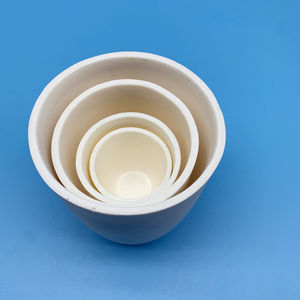
Alumina Ceramic DTA TGA Crucible with Lid for Thermal Analysis
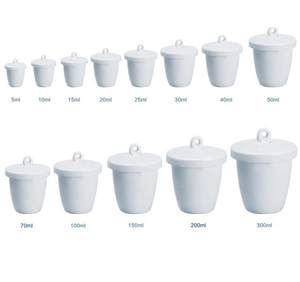
Custom Aluminum Oxide Alumina Ceramic Crucible for Industrial Laboratory
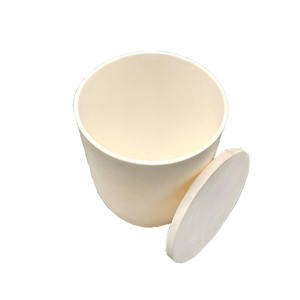
Alumina Ceramic DTA TGA Crucible with Lid for Thermal Analysis
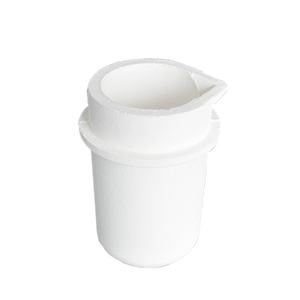
Custom Zirconia Ceramic Grinding Media Rods Bars Crucibles
99 Alumina Ceramic Crucibles Zirconia Arc Cylindrical Boat Shape